The Untold History of The Original 1933 ‘King Kong’: How a Monster Became Movie Magic and a Legend (Exclusive)
A leading historian explores the little known stories behind the classic

When Ray Morton talks about King Kong‘s untold history, he’s tapping into something that hooked him when he was a child and never let go. “I’ve loved Kong for as long as I can remember,” he says. “My dad showed it to me when I was, like, eight years old. The first time you see it and you’re a kid, you totally believe it.”
That sense of belief, as well as the resulting mixture of awe and emotional connection, is the foundation that led him to write his own deep dive into the ape’s legacy, King Kong: The History of a Movie Icon. It was first published in 2005 and timed for the release of Peter Jackson’s King Kong remake, but it didn’t take long for him to realize that the story was incomplete. “After a few years, I thought it was probably worth doing an update,” he explains. Understandable considering the Kong world had expanded dramatically—Legendary’s MonsterVerse, Joe DeVito’s book series, a Broadway production—but when he brought the idea to his publisher, they weren’t interested. After nearly a decade of pushing, stalling and watching the company change hands multiple times, Morton finally reached a breaking point. “I asked my agent, ‘What do I have to do to get the rights back?’ As soon as I said that, suddenly they were interested again.”
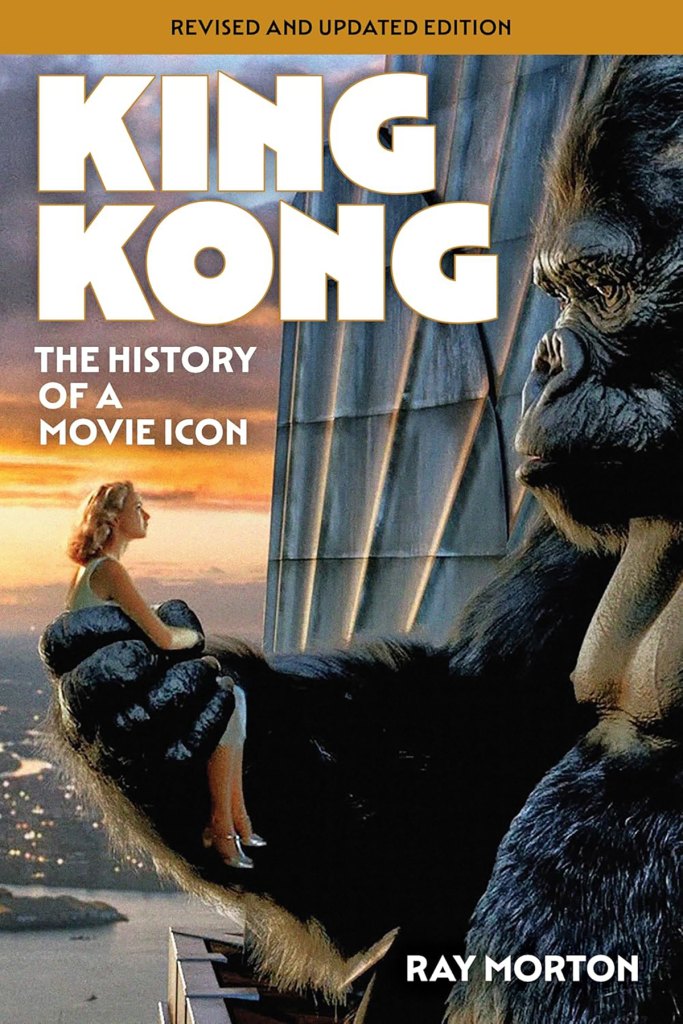
The update is finally on its way, with the publisher—Bloomsbury—set to release it in early 2026. But it’s the original 1933 King Kong that dominates Morton’s enthusiasm. As he points out, there aren’t a lot of creations as inherently cinematic as Kong. “He’s one of the few classic horror characters that is original to cinema,” Morton says. “Almost all the others were adapted. Kong literally can’t exist without that one-frame, 24-frames-a-second process. He is cinema.”
The primal pull of Kong
Trying to explain why Kong still resonates after countless remakes, reboots, spoofs, sequels and crossovers brings Morton back to the idea of primal appeal. “I think it’s a couple things,” he says. “There’s the fascination we have with apes, especially gorillas, because they’re our closest relative. Beyond that, when you’re a kid, you want to be big and powerful, so I think you take the fascination with apes and the big and powerful — that’s its primal appeal.” Given the long-standing success of Planet of the Apes, he may be onto something there.
But he also sees an emotional dimension audiences often undervalue. “As weird as it can be, the fact that he falls for the Ann Darrow character and that it brings about his doom—we’ve all had unrequited love, and it’s all brought about our doom sometimes,” he jokes.
And then, of course, there’s the spectacle of something from classic Hollywood that was jaw-dropping in 1933 and still holds up today. Morton’s childhood memories include holiday marathons of King Kong, Son of Kong and Mighty Joe Young on New York’s Channel 9, back when local stations curated their own mythologies. “Thanksgiving Week they used to show Kong every day at four o’clock,” he recalls. “And all three on Thanksgiving Day.” His mother even scheduled dinner around it so he wouldn’t miss the broadcasts.
That multi-generational imprint—fathers showing sons, mothers timing dinner, kids pressed against the TV—explains why Kong never disappears for long. Even modern incarnations, as wild as they can be, scratch the same itch. Morton laughs when describing the recent spectacles of the MonsterVerse (like Kong x Godzilla). “They’re so stupid,” he says affectionately, “but they’re stupid in the best possible way. I think it’s every kid with their King Kong toys creating a story. I don’t mind stupid movies that are good stupid; when they know they’re stupid and they have fun.”
Kong before he was king
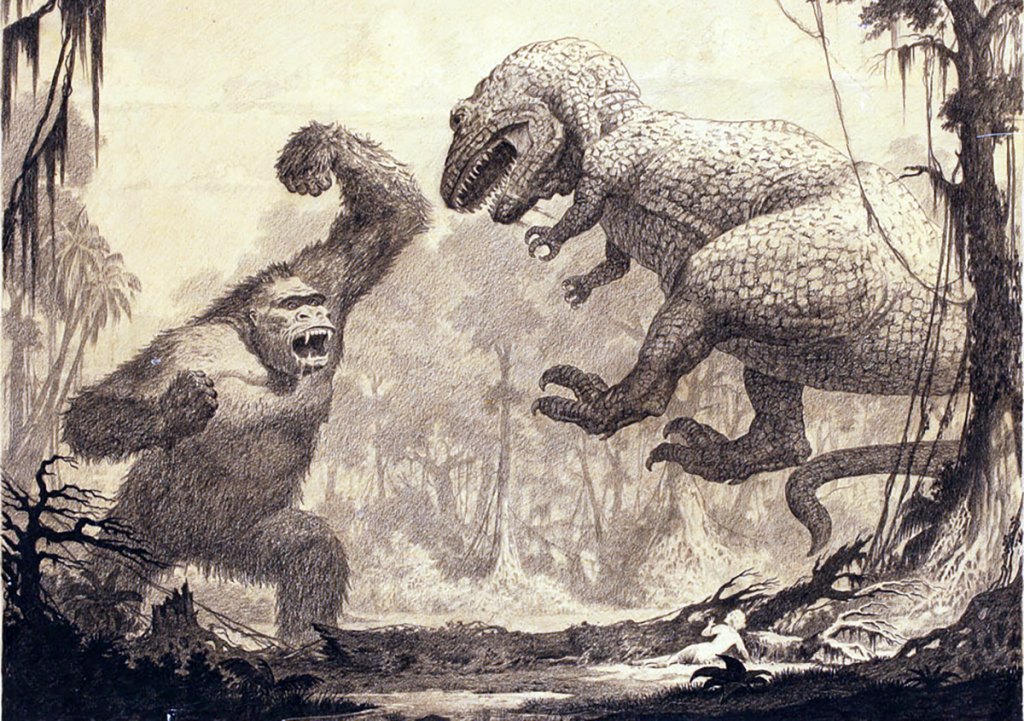
One of the most surprising truths Morton uncovered is that King Kong—cinema’s most famous oversized ape—wasn’t originally oversized at all. “Despite what was said by [producer] Merian Cooper at the time, Kong becoming a giant wasn’t how the project started,” he notes.
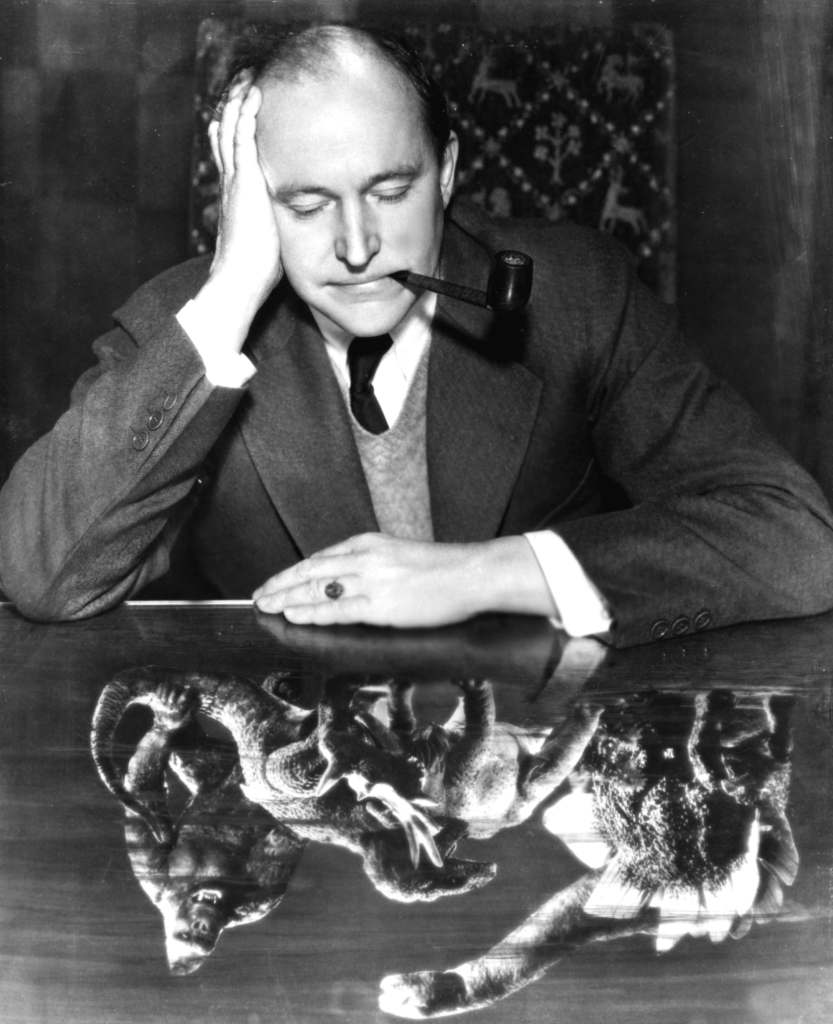
Cooper, an adventurer-turned-filmmaker, specialized in what were called “natural dramas”: staged narratives shot in exotic locations, blending real people and real animals with heightened adventure. On one expedition, he observed a family of baboons, which sparked his interest in making a movie about apes. Meanwhile, his friend Douglas Burden became the first Westerner to see a Komodo dragon on the island of Komodo. The two fascinations came together in Cooper’s earliest concept: he wanted to bring a real gorilla to Komodo to fight a real Komodo dragon on camera. That was going to be King Kong.
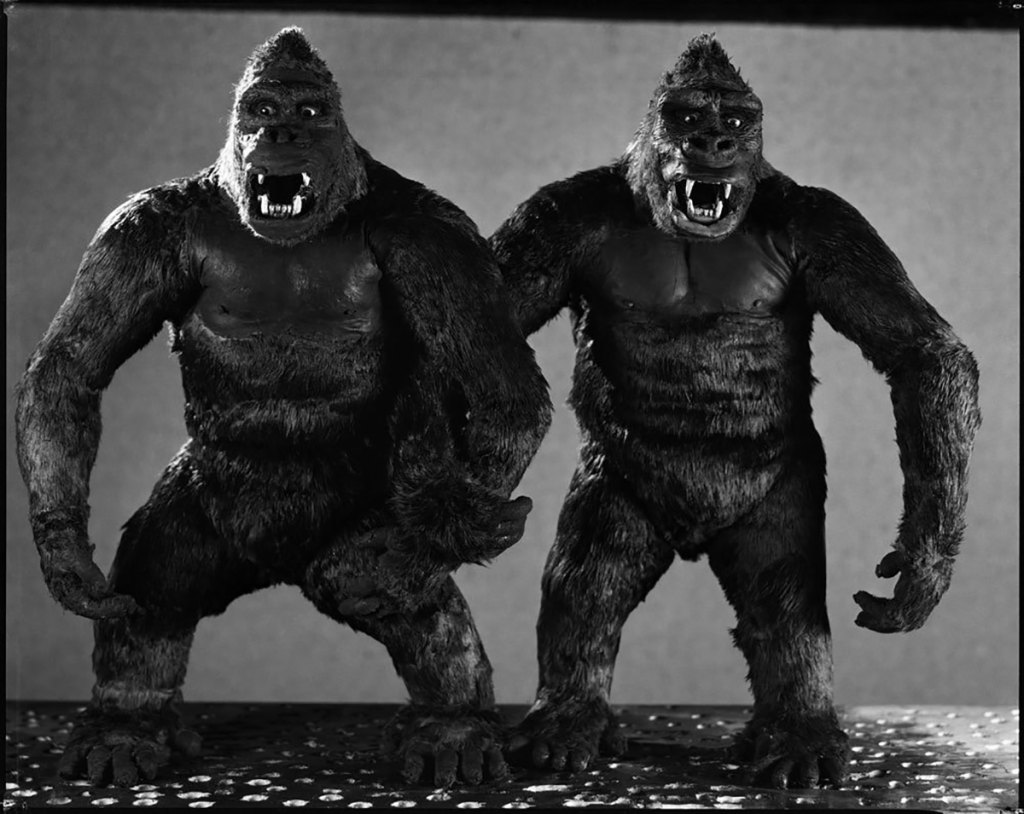
Only the Great Depression made financing such an expedition impossible. When Cooper crossed paths with stop-motion animator Willis O’Brien at RKO, everything changed. O’Brien was developing a dinosaur picture called Creation, but Cooper felt it lacked a strong central figure. He proposed merging the two ideas: take his gorilla, pair him with O’Brien’s dinosaurs and suddenly a cinematic icon was born. But to fight a Tyrannosaurus, the gorilla had to be scaled up dramatically, the result being that the King Kong we recognize began to take shape. “Later, Cooper told the story as if Kong was always meant to be gigantic,” Morton says, “but if you see the early materials, he wasn’t.” In true Hollywood fashion, legend eventually replaced fact.
If the origin of Kong himself was a winding creative evolution, the story of how the film came together reflects the same blend of ingenuity, improvisation and sheer willpower. Even before cameras rolled, the production was shaped by a constant push and pull between ambition and budget, the same tension that would define Hollywood for decades.
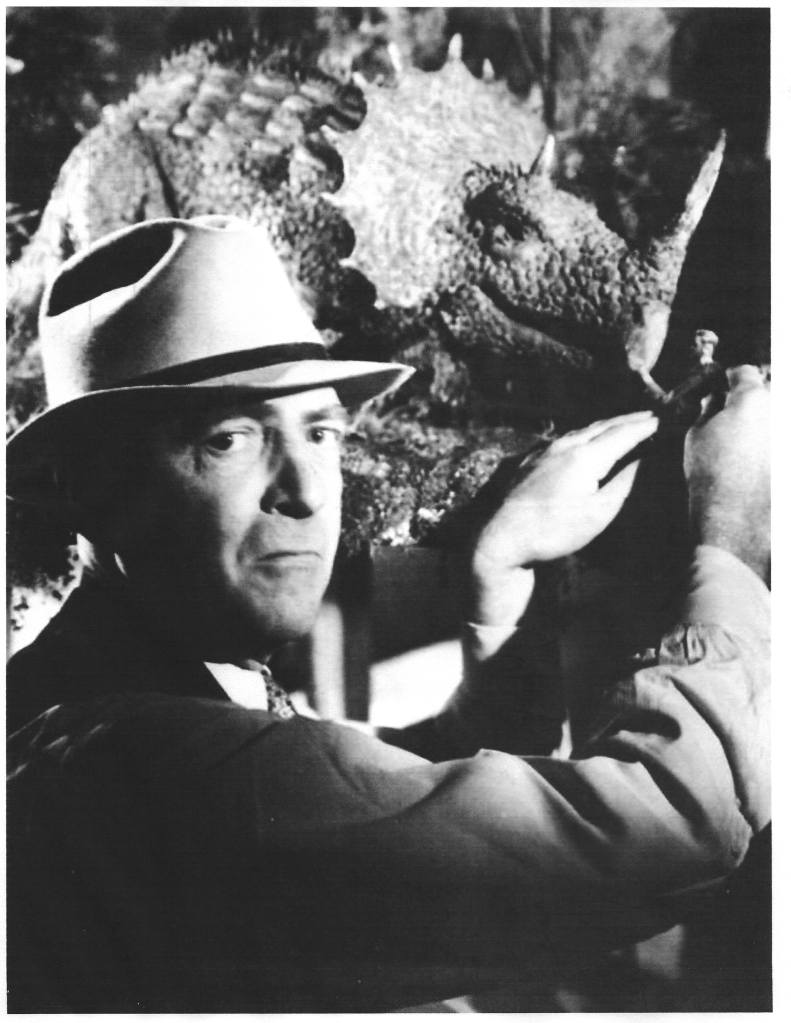
Morton explains that RKO was struggling in the early ’30s, and when David O. Selznick left the studio in early 1933, the brass brought in Merian C. Cooper to replace him as head of production. “They basically told Cooper he had to get 40 movies into production between March and July,” he details. “RKO had no slate.”
Cooper was already working on ways to protect the film’s budget. Morton points to a clever trick involving The Most Dangerous Game, which was shot around the same time. “They built this jungle set for Most Dangerous Game, and it’s the exact same jungle from Kong,” he says. “They even run over the same log at a certain point.” Cooper, in essence, charged the expense of the jungle to Most Dangerous Game, allowing Kong to benefit from sets someone else had technically paid for. “He could kind of hide it from the Kong budget,” Morton says. It was an early example of Hollywood accounting, but in this case, in service of art, not avoiding taxes.
Fay Wray, Bruce Cabot and life on Skull Island
While Willis O’Brien was working through the immense task of animating dinosaurs, jungles and the giant ape himself, the human side of the production had its own peculiar dynamics. Morton cites several casting surprises that shaped the final film.
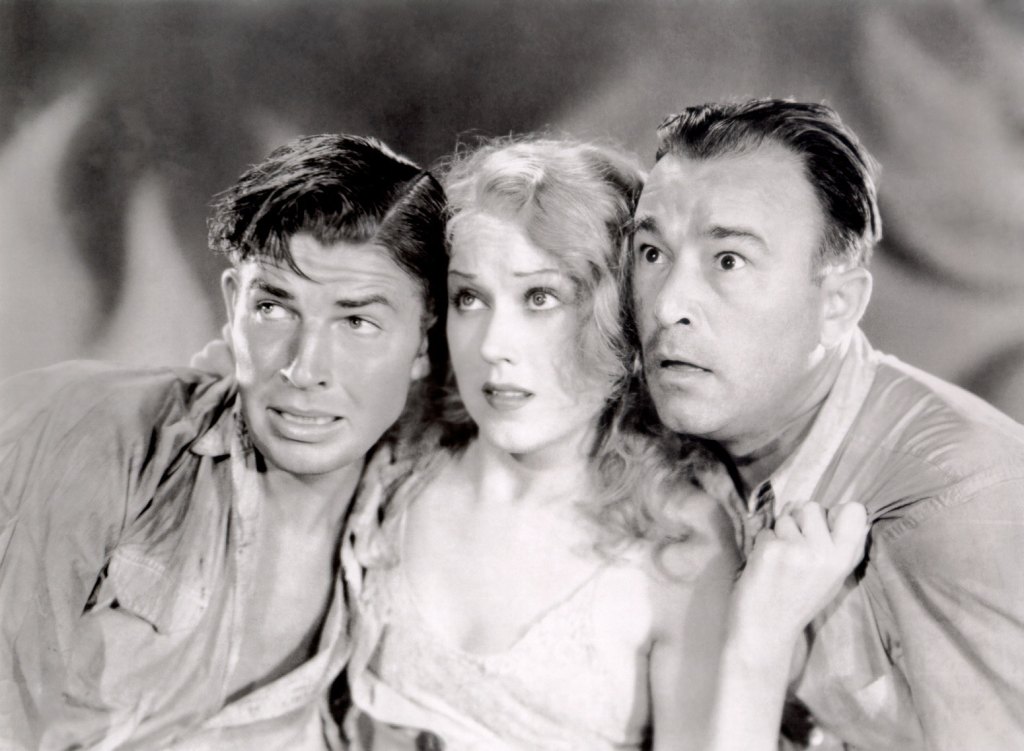
“Joel McCrea was originally supposed to star in it,” he says, “and then dropped out. He thought it was going to be all stuntman work and he didn’t want to get hurt. He didn’t like the character.” RKO pivoted to Bruce Cabot, an actor with limited experience but plenty of physicality (something Cooper valued) for the role of Jack Driscoll. “Cabot was kind of half a stuntman anyway.”
But he didn’t win everyone over. “Fay Wray could not stand Bruce Cabot,” Morton says. Although there’s no single documented incident, Morton notes the likely reasons: “He was a really heavy drinker, and I guess kind of unprofessional. It was, like, his second movie and he probably hit on her at some point. He was known for that.”
Fay Wray’s experience on the film was an intense one, regardless of her costar. “All of her screams were recorded in one session,” Morton says. “One three-hour session. She just screamed and screamed and lost her voice.” And Hollywood being Hollywood, those screams became a commodity. “They got used in movies for 20 years afterwards.”
Wray had a complicated relationship with the film that made her an icon. Before Kong, she had worked in silent cinema and earned respect in prestige dramas, including Erich von Stroheim’s The Wedding March, which she always considered her best role. But Kong shifted her screen identity permanently. “She got caught in that transition into sound,” Morton explains, “and Kong was a big hit for her, but it sent her into a lot of these horror movie roles. She didn’t like those roles.” For decades, she tried distancing herself from the idea that she was merely a scream queen, which was a label she despised. Only in the 1960s did she finally embrace her association with Kong, becoming a sort of ambassador for the film.
Her personal life also shaped her career arc. After marrying Frank Capra’s screenwriter Robert Riskin, Wray semi-retired. When Riskin suffered a devastating stroke, she left acting almost entirely for five years to care for him. By the time she returned, she ended up in films beneath her talent level. “Kong is kind of the last really notable movie she made,” Morton says. “She was in a lot afterward, but nothing really memorable.”
A film transformed by the production code
Another piece of King Kong’s legend concerns the footage audiences didn’t see for decades. When the film was re-released in 1938, the newly enforced Production Code demanded cuts. “There’s a bunch of scenes where Kong steps on people—they cut all those out,” points out Morton. “He chews on a native and a New Yorker. That got cut. And the most famous cut was the scene where Kong peels off Ann’s clothes. If you saw the film on Channel 9 in the late ’60s or early ’70s, you did not see the full film.” The missing footage was eventually discovered in the late ’60s, but it didn’t become widely available until Janus Films restored it in the mid-1970s. “When they showed it, the reinstated scenes were from a 16mm print, so it all got grainy and fuzzy, which kind of made it more forbidden in a way.”
Primitive yet revolutionary effects
To this day, King Kong remains a towering achievement of ingenuity and early effects mastery. Every part of the production, ranging from sets to models, puppets, photographic tricks and music, was pushed to its limits simply because no one had ever made a movie like this before. And nowhere is that clearer than in the astonishing range of tools the filmmakers built to bring Kong to life.
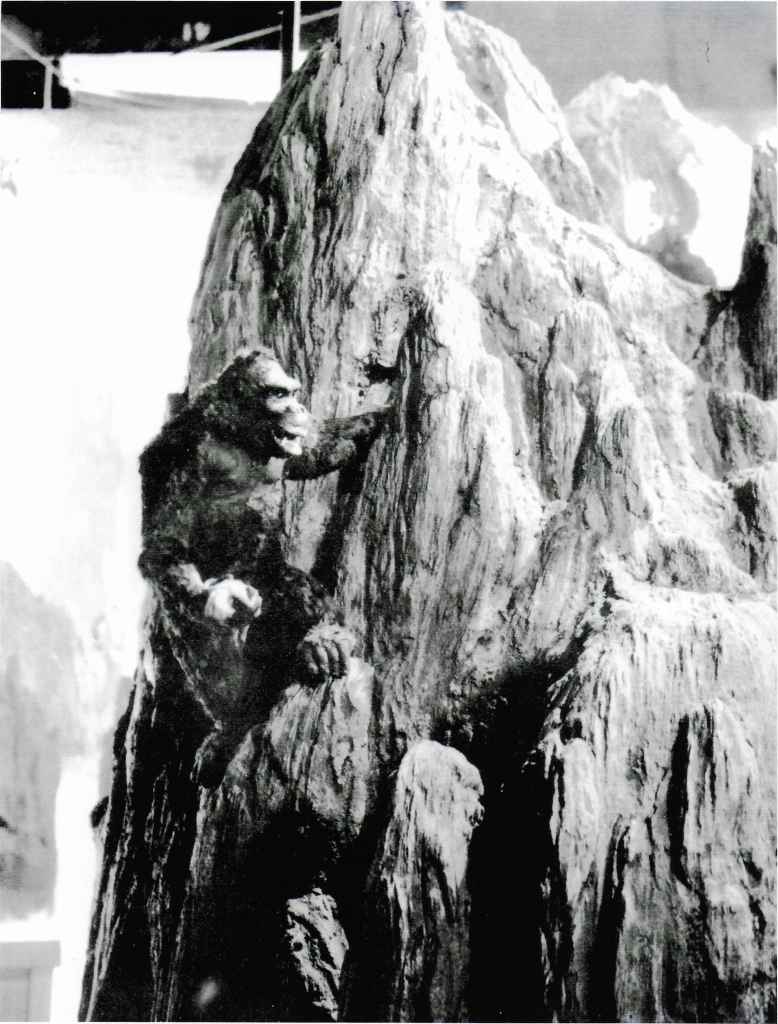
For all the mythology around Kong being “just” a stop-motion puppet, the truth is more complex—and in some ways even more impressive. Morton explains that the animation models used for Kong were built with intricate internal armatures, their fur and musculature layered on with painstaking detail. But that was only one part of the on-screen illusion.
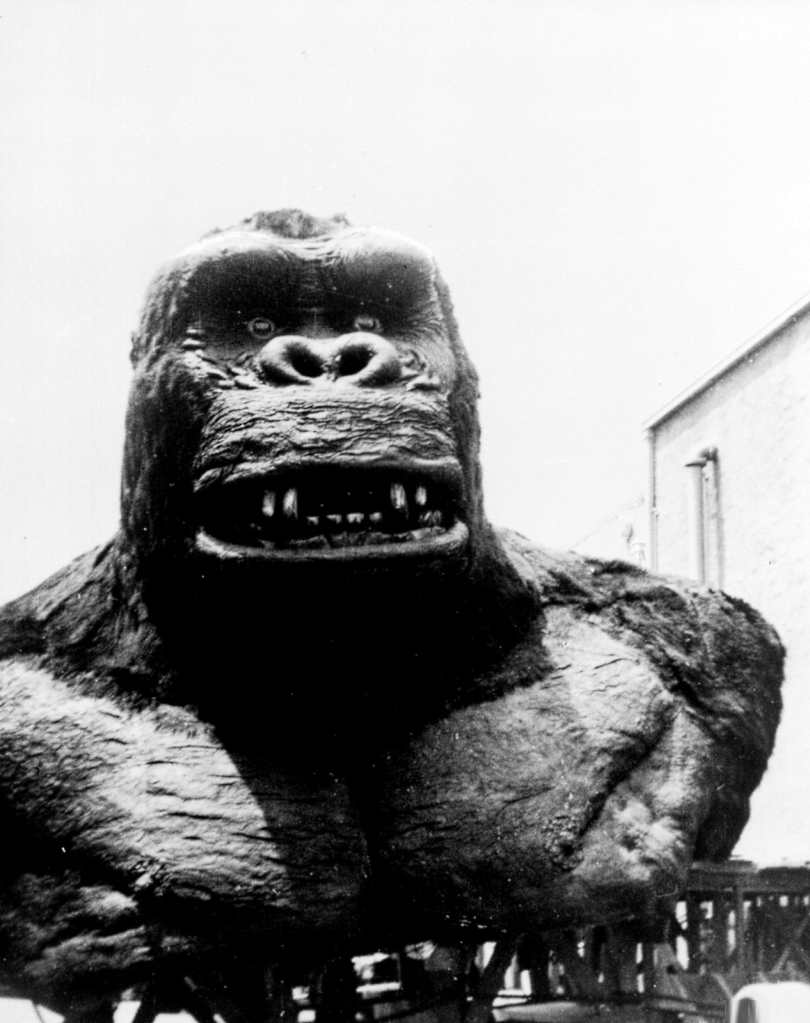
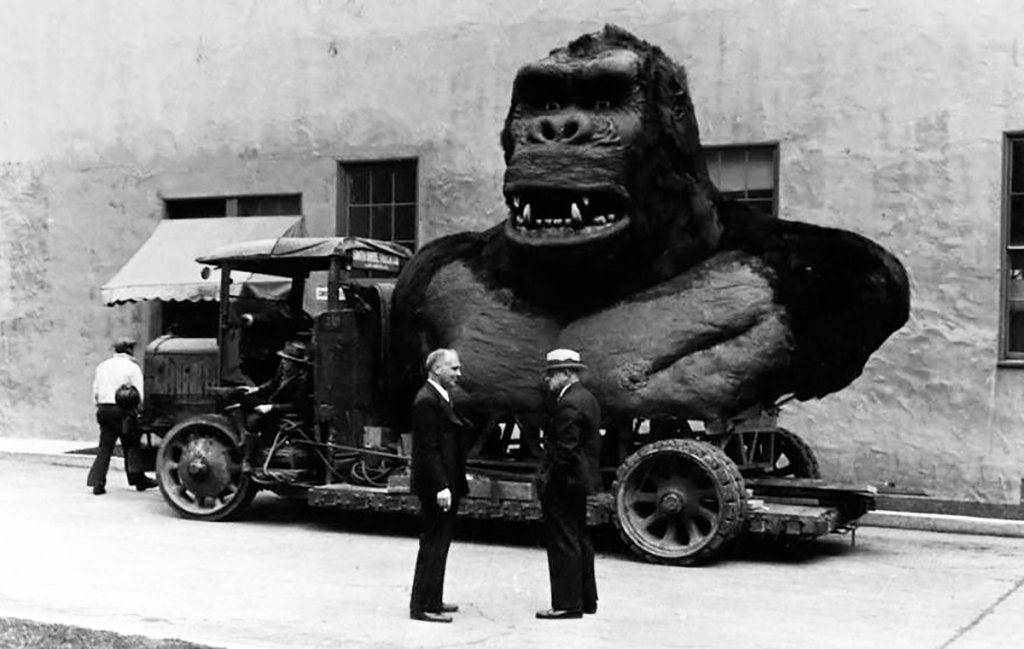
“For King Kong, they built a full-scale mechanical bust of Kong,” he reveals. “It was the chest up, run by levers and people inside. It’s pretty impressive.” That massive puppet could snarl, breathe, blink and move its jaw, giving audiences the close-up intensity O’Brien’s miniatures couldn’t easily deliver. The production even mounted the bust on a portable cart so it could be rolled from one soundstage to another.
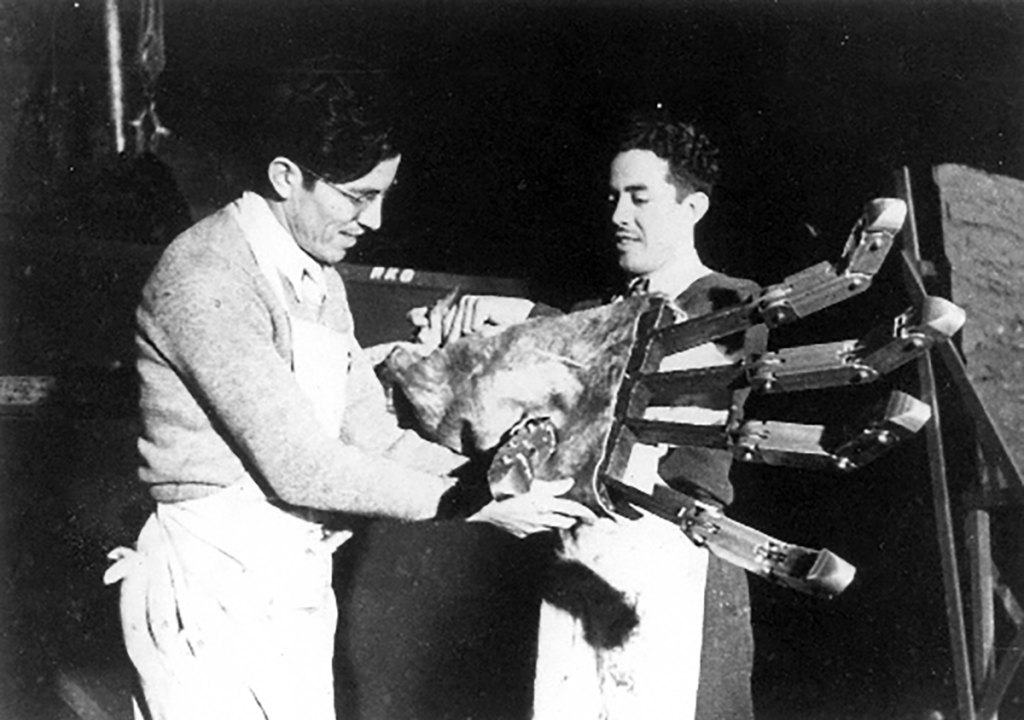
There was also the famous mechanical hand, designed to hold or grab actors during close-up interactions, along with an enormous mechanical foot used for the scenes where Kong stomps on people. “It’s all part of that blend of live-action mechanics and animation,” Morton says. “They used everything they had.”
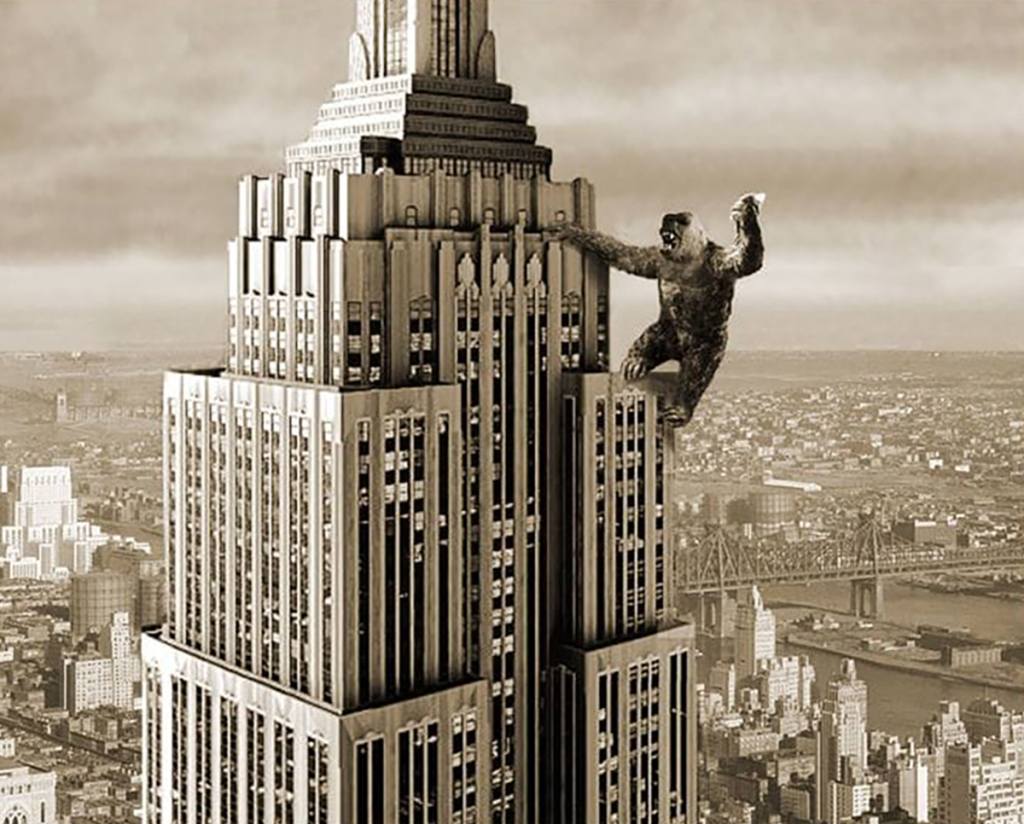
Even the Empire State Building sequence, still the film’s most iconic moment, relied on a hybrid approach: animation for Kong, miniature work for the building and actual footage of biplanes circling the real New York skyline. “In the long shots, that’s the actual Empire State Building,” he explains. “They flew real planes around it and superimposed Kong. The animation is so smooth people thought it was a guy in a suit, but if you look closely, it’s repetitive movement. It’s still animation.”
All of it created an illusion far more sophisticated than audiences were used to seeing. And because so few special effects films existed in the early sound era, the technical mastery struck viewers with the force of something genuinely new—a sensation later generations would feel with 2001, Star Wars and Jurassic Park.
A blockbuster before we knew the word
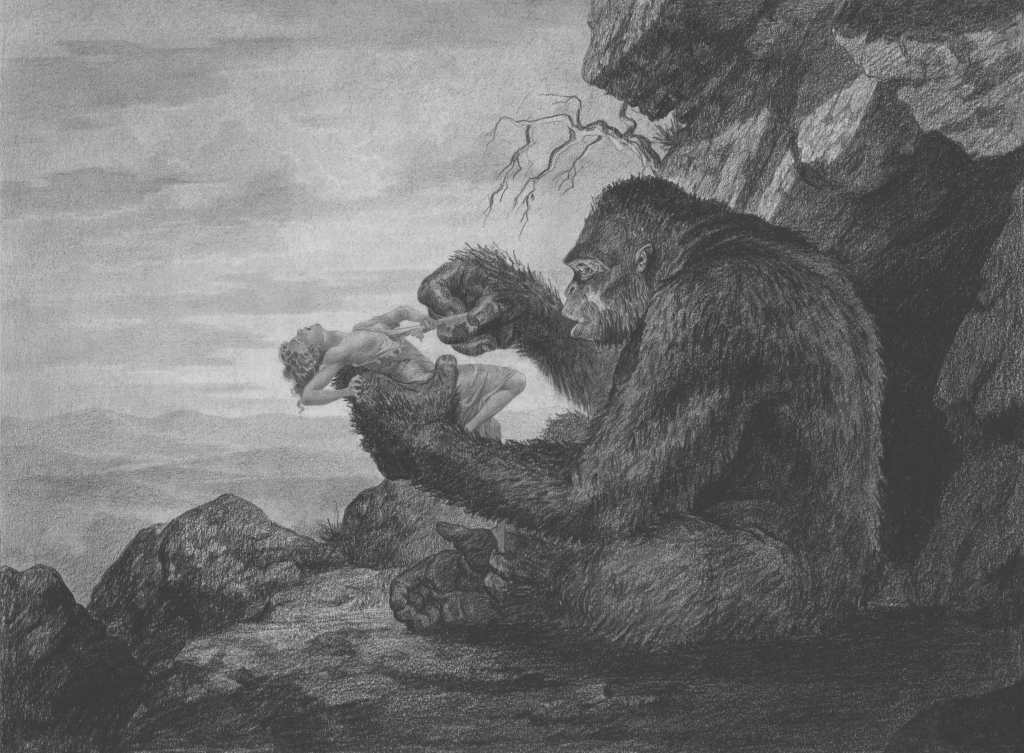
If there’s any doubt about how instantly and intensely King Kong landed with its first audiences, Morton dispels it with the facts. “It opened at Radio City and at the Roxy across the street,” he says, referring to a pair of enormous 6,000-seat theaters where films didn’t normally open simultaneously. “It sold out every show at each theater for at least the first 10 days.”
And this happened in March 1933, the exact moment when the country was at its economic worst. “That was right after Roosevelt closed the banks,” Morton notes. “People in the depths of the Depression were coming up with the money to go see it.” Even in drastically limited economic circumstances, moviegoers were desperate for spectacle, emotion, and escape—the exact combination Kong provided, creating a new kind of filmgoing experience. “It absolutely was the Jaws or Jurassic Park of its time. It cost twice what any other movie cost. It was a big showcase film and it ran double the budget of the highest RKO budgets at that time.”
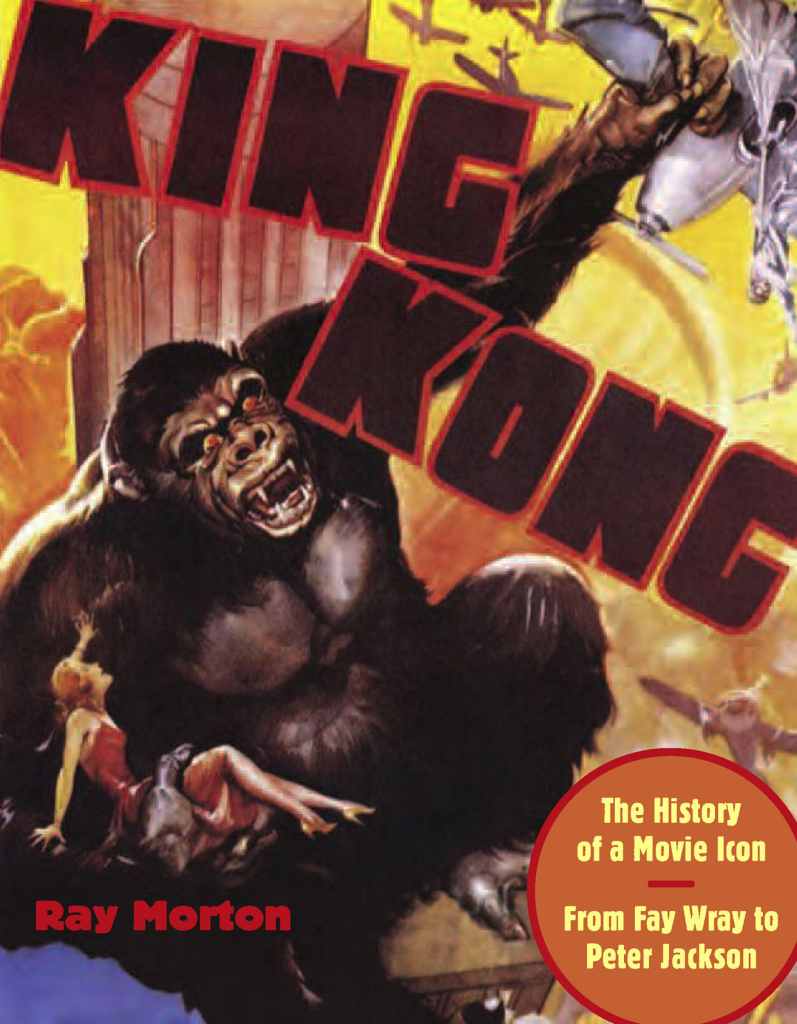
Like those later blockbusters, Kong inspired massive promotion, including RKO commissioning two live radio adaptations as marketing tie-ins. They also released the novelization ahead of the film, something rarely done at the time but hugely effective in spreading the story.
“It was a smash hit pretty much everywhere,” Morton says. But tracking box office in 1933 was nothing like it is today, so precise numbers are elusive. “Apparently, it made over a million dollars, which in those days was massive.” Whether audiences fainted or screamed is the stuff of legend, but one thing is certain: they kept going back.
A story still being told

Morton’s updated edition of King Kong: The History of a Movie Icon is the culmination of decades of research, passion, and personal history. He’s lived with the character long enough to see him reinvented multiple times. And yet, the 1933 version remains the gravitational center—the film that changed cinema, shaped his childhood and inspired multiple generations of storytellers.
When asked why Kong still matters, Morton doesn’t hesitate: “It remains an amazing movie. Pretty much every time I can, I watch it.”
In the end, maybe that’s why Kong never fades. He’s a character who embodies the gap between what the movies can imagine and what we wish were real. Even after 90 years, the Beast remains undefeated, and while Carl Denham may have been right at the end of the film when he said it was Beauty that killed the Beast, it was the audience who kept bringing him back to life.
Conversation
All comments are subject to our Community Guidelines. Woman's World does not endorse the opinions and views shared by our readers in our comment sections. Our comments section is a place where readers can engage in healthy, productive, lively, and respectful discussions. Offensive language, hate speech, personal attacks, and/or defamatory statements are not permitted. Advertising or spam is also prohibited.