Why Medicare Is Deducted From Your Social Security—And How to Change It if You Want to
Plus, what new retirees should expect on their first Social Security payment

Millions of retirees in America are on Medicare and Social Security. Not only are both of the programs government-funded, but they also can change year to year based on inflation, economy and one’s personal income. The programs are also often intertwined, with Social Security benefits covering Medicare costs for most beneficiaries. We share why this is, and if there are ways to opt out, below.
A look at the connection between Medicare and Social Security
When Americans who are already receiving Social Security enroll in Medicare, the default payment method is an automatic deduction from their Social Security payments for convenience and administrative efficiency.
But that doesn’t have to be the case, according to Melanie Musson, an insurance and finance expert at the insurance quote company Quote.com. She told Woman’s World, “If you don’t want it to be deducted from your benefit, you have to contact the Social Security Administration and make that change.”
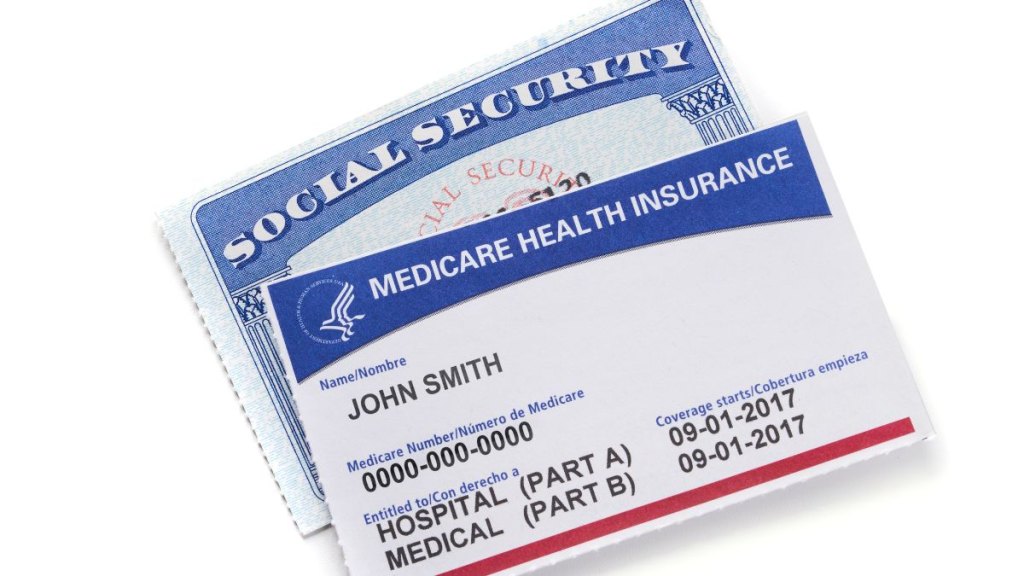
“However, Medicare premiums have to be paid. So it doesn’t make sense to pay them from a different account instead of from your Social Security benefits,” she continues. “You might as well leave your Medicare payment as the default from your Social Security and withdraw from the other account for your living expenses. If you’ve been able to get someone else to pay your Medicare premiums, that could be a way for you to keep your entire Social Security benefit. That’s far from normal, though.”
If you aren’t enrolled in Social Security, similar rules apply. According to the Social Security Administration (SSA), “If you are not receiving Social Security benefits, the Centers for Medicare & Medicaid Services (CMS) will mail you a quarterly bill with instructions on how to pay your premium.” These payments will come out of a bank account of your choosing. If you have questions about this, you can call CMS at 1-800-633-4227.

How much does Medicare cost?
Medicare costs vary from person to person based on their income. This is because of the Income-Related Monthly Adjustment Amount (IRMAA), which Musson says results in “high-income seniors paying hundreds of dollars more per month for Medicare premiums.”

What new retirees should expect from their first Social Security payment
When you first enroll in Social Security, Medicare is prepaid for three months, says Musson.
“So, your first Social Security check may have three months of premiums deducted from it,” she explains. “After that, the payment due three months later will be prorated into one regular monthly deduction.”
The only exception is if you decide to not have your Medicare payments deducted from your Social Security benefit. In that case, you will receive a Medicare bill every three months if you are enrolled in Part B.
If you do go that route, Musson recommends setting up a “sub-account” in your savings account. “Prorate the amount you know will be due into equal monthly installments and put that amount into your sub account each month. Then, when your Part B premium is due, you’ll already have it set aside.”
Part A and D users will pay their premium monthly.
Do Social Security spousal benefits impact Medicare payments?
Many people on Social Security are collecting spousal benefits, and when their spouse dies their benefits can change. Thankfully, that change shouldn’t affect Medicare coverage and payments.
“If you’re getting Social Security benefits, your Medicare premiums will be deducted from your benefits. Even if you’re getting spousal benefits, your premiums will come from your benefit. If your spouse passes away, you should be able to transition to survivor benefits seamlessly,” says Musson.


What’s more, Musson assures that the surviving spouse won’t be responsible for the late loved one’s Medicare bills.
“Medicare coverage ends immediately upon the policyholder’s death. There won’t be Medicare payments due for the person who passed away,” she continues. “You will need to contact the Social Security Administration to inform them of the death and request any refund you’re entitled to.”
Ready for more? Subscribe to our YouTube channel for video podcasts, health tips and uplifting stories designed for women 40, 50, 60 and beyond.
Conversation
All comments are subject to our Community Guidelines. Woman's World does not endorse the opinions and views shared by our readers in our comment sections. Our comments section is a place where readers can engage in healthy, productive, lively, and respectful discussions. Offensive language, hate speech, personal attacks, and/or defamatory statements are not permitted. Advertising or spam is also prohibited.