Alligator Hit by Car at North Carolina Bank Drive-Thru Sparks Rescue by Gatorwise
A large alligator was found under a car after a collision at a NC bank drive-thru, leading to a coordinated rescue effort.

A routine trip to the bank turned into a wildlife encounter when a large alligator was struck by a vehicle at a Truist Bank drive-thru in Southport, North Carolina.
The Southport Police Department reported the incident on April 16 in a Facebook post, describing how officers and other agencies responded after the animal was hit.
A team effort to secure the scene
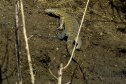
The Southport Police Department, Southport Animal Protective Services and the Brunswick County Sheriff’s Office all responded to the scene. Officers set up a perimeter around the vehicle, and the alligator was eventually removed from underneath the car.
The North Carolina Wildlife Resources Commission then arrived to evaluate the animal on-site.
“NC Wildlife arrived and determined the gator would need to be relocated,” the police department wrote in its post. “The gator was loaded and transported away to a safer location.”
Warmer weather brings more encounters
In its post, the Southport Police Department warned residents that increased alligator activity is expected during the warmer months. The department offered several pieces of guidance to help residents stay safe:
- Avoid feeding alligators.
- Do not dispose of fish or food scraps in water.
- Supervise people and pets near waterways.
- Keep a safe distance from any alligator.
- Remain vigilant near water.
The incident underscores a growing reality across parts of North Carolina, where human and alligator interactions are becoming more common as communities expand.
North Carolina’s ‘GatorWise’ program
In 2025, the NCWRC launched its “GatorWise” program, designed to educate the public on coexisting with alligators. According to the press release for GatorWise, the NCWRC reported that the majority of its public calls concern alligators.
“As development continues to expand into once-remote areas where alligators live, we need to become GatorWise in order to safely share the land with this species,” said NCWRC Wildlife Biologist Alicia Wassmer at the time.
The program comes as North Carolina’s population growth continues to contribute to habitat overlap between people and alligators. Wassmer painted a detailed picture of the challenge facing the state.
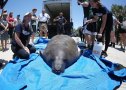
“Urbanization is projected to increase at exponential rates in areas where alligator habitat occurs,” Wassmer said. “This continuous conversion of natural spaces, coupled with a constant influx of newcomers who may not know that alligators are here or aren’t familiar with alligator behavior, has amplified the need for state wildlife resource agencies to proactively connect residents and visitors with vital information on how to coexist responsibly with the alligators that live in these communities.”
Why encounters like this happen

The Southport incident illustrates the kind of unexpected encounter that wildlife officials are working to prepare residents for. As development pushes deeper into areas where alligators have long lived, the animals increasingly turn up in parking lots, neighborhoods and — as this case shows — bank drive-thrus.
For residents in coastal North Carolina and other areas where alligators are present, the message from officials is clear: awareness and caution go a long way. Feeding alligators, even unintentionally through discarded food scraps, can draw them closer to populated areas. Keeping a safe distance and supervising children and pets near water remain among the most important steps people can take.
The alligator in Southport was safely relocated, but the broader challenge of sharing space with wildlife is one that communities across the region will continue to face.
Conversation
All comments are subject to our Community Guidelines. Woman's World does not endorse the opinions and views shared by our readers in our comment sections. Our comments section is a place where readers can engage in healthy, productive, lively, and respectful discussions. Offensive language, hate speech, personal attacks, and/or defamatory statements are not permitted. Advertising or spam is also prohibited.