Save Money on Groceries Every Week With These Genius Food Storage Hacks
Expert-approved hacks that make food last longer—and put hundreds back in your pocket every year

If you’re looking to save money on groceries, here’s a secret: it’s not just about what you buy—it’s about how you store it. Every time you toss moldy berries or wilted lettuce, you’re literally throwing money in the trash. The good news? Food scientists say simple storage changes can make groceries last twice as long. From meal planning strategies to genius produce tricks, these expert-approved tips will help you waste less food and save hundreds every year. Your wallet (and your fridge) will thank you!
Make a 7-day meal plan
“Mapping out a week’s worth of meals is the No. 1 way to reduce food waste,” declares Matthew Hartings, Ph.D., associate professor of chemistry at American University and author of Chemistry in Your Kitchen. That’s because planning ahead lets you mix and match perishable ingredients across multiple dishes, so you use everything you buy. “Say you’ve got half a can of tomato paste left over from one meal—planning ahead lets you think about which recipe you can add it to the following day,” he explains.
Need inspiration for partly used items? Visit SuperCook.com and plug in what you have on hand to get a list of ideas.
Take the ‘sell-by’ date with a grain of salt
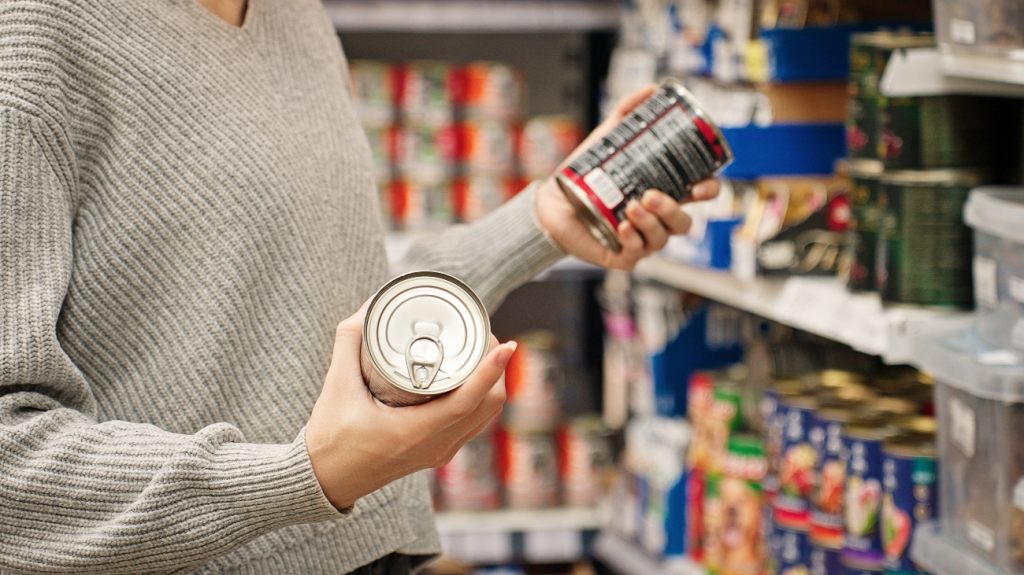
No need to automatically toss foods once they reach the date printed on the package. “That mark isn’t when something goes bad or will make you sick,” says Hartings. “It’s when you may start to notice it’s no longer at peak freshness.” Unopened milk, for example, may smell or taste slightly different after its sell-by date, but if it’s been kept refrigerated, you can still consume it for a few days. To find out how long foods are safe to eat past their sell-by dates, check out the USDA’s FoodKeeper app at FoodSafety.gov/keep-food-safe/foodkeeper-app.
Store produce so it lasts longer
There’s a special kind of pain we feel any time we’re forced to toss once-blushing—now-blighted—strawberries or consign wilted lettuce to the trash bin. Here, simple ways to make your pricey and prized produce last longer:
Store greens in a paper towel
Before storing fresh greens, line the crisper drawer with a paper towel and loosely wrap them. The towel soaks up extra moisture, reducing rot and helping produce last longer.
Make a bouquet of fresh herbs
To keep herbs like parsley, dill and basil fresh for up to two weeks, simply bundle them into a ‘bouquet’ and place the stems in a water-filled glass in the fridge. Just be sure to change the water every few days.
Soak your fresh berries
Strawberries and raspberries mold fast due to their sworn enemy: moisture. To ensure they stay fresh, give them a quick soak in equal parts water and vinegar, dry them thoroughly and store them on paper towels—they’ll stay fresh for up to one week longer.

Cook nearly-expired produce
When perishables are nearing the end of their usable life, throw them in a pot or pan and cook them to get a couple of extra days out of them, advises Londa Nwadike, Ph.D., professor and David A. Thompson Endowed department head of dairy and food science at South Dakota State University.
For example, if your veggies are getting a little long in the tooth, just chop them up, toss with a little olive oil and salt and roast them. As long as foods stay within the storage time recommended by the FoodKeeper App, heating them to at least 165°F kills organisms, stretching how much time you have to enjoy them.
Invest in freezer-ready containers
Sure, keeping your freezer at 0°F helps keep food safe from bacteria—but what you store food in matters, too. “Thin packaging—like a whipped topping tub—isn’t designed for low temperatures, so it can absorb odors or let air inside,” says Nwadike. Containers made for long-term freezer storage use tighter seals that protect against moisture loss and contamination from other items. To find them at your supermarket, look for “freezer-safe” on the label.
With these simple strategies in your back pocket, you’re well on your way to cutting food waste—and keeping more money where it belongs: in your wallet.
This story first appeared in the February 23, 2026, print issue of Woman’s World magazine.
Ready for more money-saving hacks? Subscribe to our YouTube channel for video podcasts, health tips and uplifting stories designed for women 40, 50, 60 and beyond.
Conversation
All comments are subject to our Community Guidelines. Woman's World does not endorse the opinions and views shared by our readers in our comment sections. Our comments section is a place where readers can engage in healthy, productive, lively, and respectful discussions. Offensive language, hate speech, personal attacks, and/or defamatory statements are not permitted. Advertising or spam is also prohibited.