7 Sneaky Ways Stores Get You To Overspend—and the Simple Fixes That Stop Them
Behavioral science reveals why you overspend—and the easy ways to regain control

You’re smart with your money. You clip coupons, compare prices and know a good deal when you see one. But your wallet has a few blind spots—and retailers know exactly where they are. A growing body of behavioral research is mapping the hidden triggers that push us to spend more than we intend. The good news? Once you see these patterns, they lose most of their power. Here’s what the research says, why it works on your brain and what you can do about it starting right now.

That friendly cashier might be costing you

That warm, helpful sales associate isn’t just doing her job well. She may be reshaping your purchasing decisions in real time. Research shows the warm glow from a positive customer service experience makes 73 percent of us likely to buy more than we planned.
The mechanism is subtle. At a clothing store, you might add a top to your purchases after a sales associate helps you track down a scarf. At a takeout counter, you might tack on dessert after the cashier asks how your day is going. The positive interaction creates a kind of social momentum that makes saying “yes” to an extra purchase feel natural.
The fix: Pause and ask yourself whether you really want the extra item, or if you’re just enjoying the good service. That brief moment of self-awareness is often enough to break the spell.
‘Fun’ stores are designed to drain your budget
Stores that feel like a little party—with peppy music, bright lights and decorative displays—can make you open your wallet wider. Research shows that browsing in an exciting environment gives you a happy buzz that makes you less focused on your budget and more prone to grabbing extras you hadn’t planned to buy.
Think about the last time you wandered into a beauty retailer or a well-designed clothing shop with music pumping and eye-catching arrangements everywhere. That stimulation isn’t accidental. It’s designed to shift your attention away from price tags and toward desire.
The good news? You don’t need to avoid these stores entirely to save your budget. Just jot down a quick list before you go in and keep a running total as you shop. Having a number in your head counterbalances the sensory pull of the environment.
AI is quietly adding to your grocery cart
If you’ve been grocery shopping online lately, you’ve probably noticed product recommendations popping up based on what’s in your cart or your past purchases—crackers to pair with soup, a new flavor of a brand of salsa you once tried. Those suggestions are powered by artificial intelligence, and they work. A new supermarket sales analysis found that AI increases the number of items shoppers purchase by 10 percent.
That 10 percent creep is easy to miss on any single order, but it compounds over weeks and months. The defense here is simple: make a list before you start browsing, then ask yourself whether you truly want each extra item or if you should skip it.
A 5-second mental trick that stops impulse buys
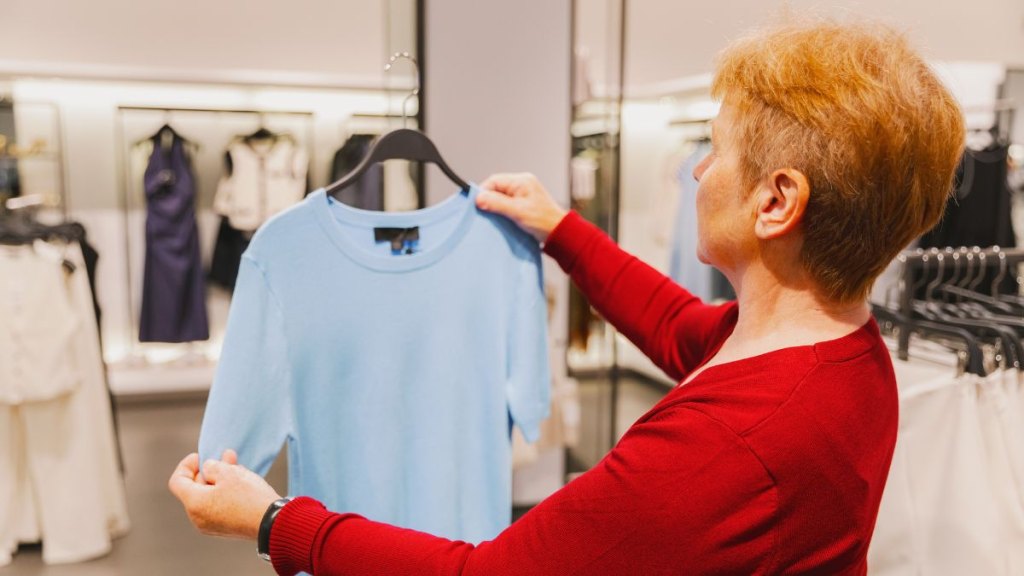
Considering buying something you don’t need? Take a moment to consider how saving that money now could benefit you later. Research shows this simple tactic makes you far less likely to splurge.
Imagining how the money could grow—such as adding to a summer travel fund—curbs the “gotta-have-it” urge. Once temptation fades, it’s easier to focus on what matters most: your future happiness. It takes about five seconds, costs nothing, and works by shifting your brain from impulse mode to planning mode.

Why clipped coupons work better than digital ones
Turns out old-fashioned savings strategies are often the best. Research shows that you’re less likely to use a coupon that simply falls into your lap, such as one arriving in your email inbox, than one you “worked” to get—by clipping it, printing it out or requesting it online. The study authors suggest that those small actions create a sense of ownership, making skipping the discount feel like losing real money. As a result, you remember to bring the coupon to the store or enter the code online, so you don’t miss out on savings.
But there’s a catch. Research shows that a moderate savings—like $5 off a store purchase—feels like “free” money, tempting us to upgrade to pricier merchandise or toss additional items into our cart, increasing the total. By contrast, high-value coupons—say, $10 off a $25 purchase—make us want to squeeze out every cent, so we actually buy less.
The takeaway: When you’re using a smaller coupon, imagine putting that extra cash in your pocket, then apply the offer to what you already intended to get. Don’t let a $5 discount become a $15 splurge.
Watch out for those product ‘towers’


Keep an eye on spending when you spot stacks of products. Research shows shoppers are more likely to buy items arranged in tower-like displays—think mounds of boxed cookies at the supermarket or stacked candles in a retail store. These towering shapes stand out visually, drawing our attention. And the longer we look, the more likely we are to buy them.
When you feel tempted to grab something from a pile, pause and ask yourself whether you really want it, or if you’re just wowed by the display.
Your best defense takes two seconds
Each of these patterns works because it operates just below conscious awareness. Retailers, app designers, and store layout teams have spent years fine-tuning these triggers. But the research points to the same countermeasure again and again: a brief pause. A moment of self-check. A list in your pocket. The gap between impulse and decision is narrow, but it’s where all the savings live.
Conversation
All comments are subject to our Community Guidelines. Woman's World does not endorse the opinions and views shared by our readers in our comment sections. Our comments section is a place where readers can engage in healthy, productive, lively, and respectful discussions. Offensive language, hate speech, personal attacks, and/or defamatory statements are not permitted. Advertising or spam is also prohibited.