4 Biggest Mistakes People Make When Starting a GLP-1 That Can Stall Weight Loss
A top weight loss doctor reveals how to maximize your results and reach your goals
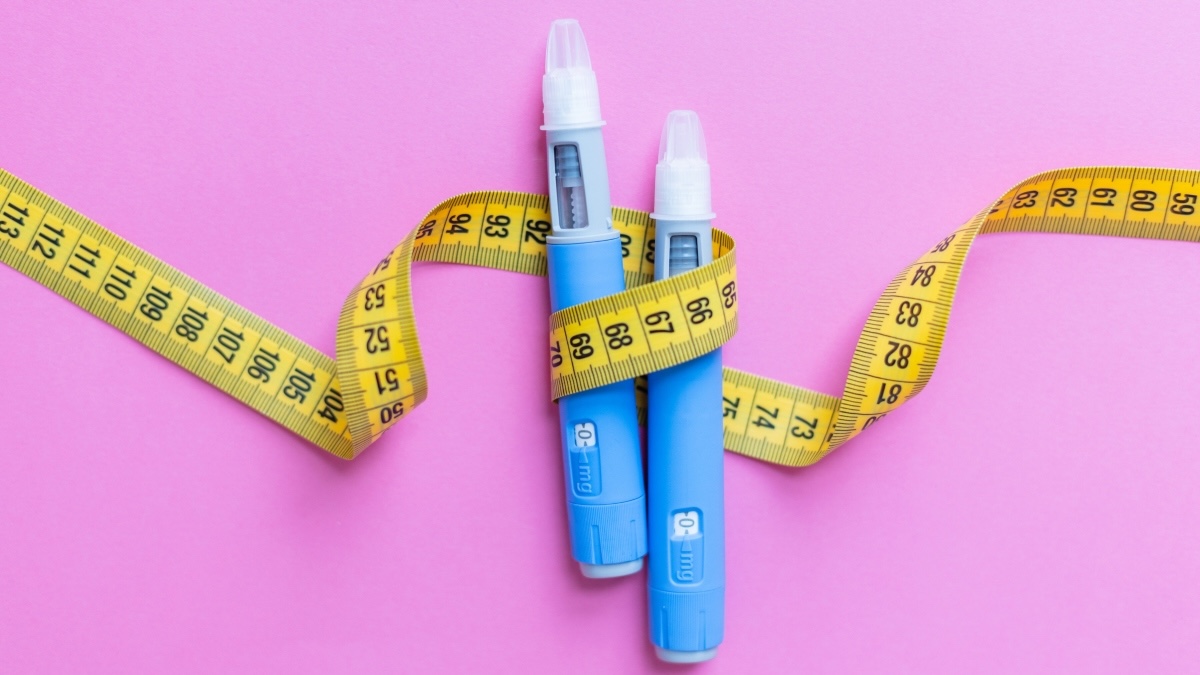
Anyone who’s been prescribed a GLP-1 drug like Ozempic, Wegovy or Trulicity to treat type 2 diabetes or help them lose weight will tell you that these medications are no silver bullet. In order to get the results you are looking for, making the right decisions in the first few weeks and months after starting the medication—and avoiding the top GLP-1 mistakes—is crucial.
“The first month on a GLP-1 is incredibly important, not because you can ‘mess things up,’ but because this is when the medication creates a powerful window of opportunity,” explains Holly Wyatt, MD, a weight loss expert and author of Losing the Weight Loss Meds. Here, Dr. Wyatt shares the most common mistakes that people make when starting a GLP-1, plus strategies to position yourself for the outcome you want.
4 mistakes people make when starting a GLP-1
When starting any new prescription—especially weight-loss medications—it’s not uncommon for healthy habits to fall by the wayside instead of watching and waiting for the drug to take effect. But doing this in the early days of taking a GLP-1 could set you back before you’ve even begun. Here are the most frequent mistakes people make when starting a GLP-1, whether for weight loss or healthier blood sugar levels.
Mistake #1: Assuming GLP-1 medication alone will take care of everything
This is perhaps the most common mistake people make, says Dr. Wyatt. Once you start taking a GLP-1, you may think you don’t need to pay attention to what you’re eating or how much you’re moving, which can hinder your results. It’s still important to eat a balanced diet and factor in exercise to see results, even when you’re taking a weight loss drug.

Mistake #2: Not eating enough
“Most people notice that hunger quiets down and they are naturally eating less. That can feel almost effortless, especially if they have struggled for years,” Dr. Wyatt says. “But eating less can also mean eating less of everything, including protein, vitamins, minerals and calcium, unless you are intentional.” Over time, she adds, this can contribute to muscle loss, fatigue or nutrient deficiencies that could hurt your overall health or quality of life. It’s important that you make what you are eating work for your body by choosing nutrient-dense options wherever possible. (More on that below.)
Mistake #3: Neglecting exercise
For many people trying to lose weight, exercise can be something they think they have to do, not something they want to do, so it’s often the first thing to go when they start a GLP-1. That, however, is a mistake, says Dr. Wyatt. “Weight loss on GLP-1s comes from both fat and muscle,” she explains. “Without regular movement, especially resistance- or strength-based activity, muscle loss can be greater than people expect,” which can contribute to a more sluggish metabolism and reduced mobility. (Discover how to prevent muscle loss on Ozempic.)
Mistake #4: Focusing only on the scale
Your mental and emotional wellbeing are just as important as the physical, especially early in a weight-loss journey. But Dr. Wyatt says they are often overlooked entirely when starting a GLP-1 medication, a common mistake. “Weight loss can bring up unexpected emotions and changes in identity, relationships or expectations,” she says. “Focusing only on the scale and not on overall quality of life can limit how meaningful and sustainable the success feels.”
How to set yourself up for GLP-1 success
The good news: As long as you’re paying attention to your habits, it’s easy to avoid these mistakes and set yourself up for success during the first few months of taking a GLP-1 and beyond. Here’s what you need to do.
Balance your diet
You may be eating less, but you still need to make sure you’re getting all the nutrients you need. “Prioritize protein, include foods rich in fiber and key micronutrients and do not hesitate to work with a registered dietitian, even briefly, to make sure your body is getting what it needs while appetite is lower,” says Dr. Wyatt. Structuring your diet this way can also be helpful in the long run if you eventually plan to stop taking a GLP-1, as protein and fiber are key nutrients for boosting satiety and supporting appetite control. (Discover how much protein you need in a day.)
Aim for daily activity

“Consistency matters more than intensity,” says Dr. Wyatt. She recommends aiming to do something every day and incorporating some strength training to maintain bone and muscle mass as you shed pounds. “Physical activity becomes even more critical over the long term,” Dr. Wyatt adds. “It helps restore your metabolism and is one of the strongest predictors of maintaining weight loss, whether someone stays on a GLP-1 or not.”

Check in with yourself
Losing weight, no matter how much, can have lasting effects on your mental health, confidence, relationships and emotional state. Anticipating these changes and taking the time to check in with yourself on a daily basis can help prevent overwhelm or feeling untethered while on weight-loss drugs.
“Taking a few minutes to notice how you are feeling, what is improving and what still feels challenging helps people stay grounded and resilient,” Dr. Wyatt says. “Weight loss can open the door to a healthier, more fulfilling life, but it is not the whole story. Learning how to build a life that feels good at a lower weight, one that goes beyond the scale, is just as important as the weight loss itself.”
Conversation
All comments are subject to our Community Guidelines. Woman's World does not endorse the opinions and views shared by our readers in our comment sections. Our comments section is a place where readers can engage in healthy, productive, lively, and respectful discussions. Offensive language, hate speech, personal attacks, and/or defamatory statements are not permitted. Advertising or spam is also prohibited.