Cooking Through Community: How Customized Recipes, Local Produce and AI Collaboration Can Elevate Health

In an era of widespread diet-related health challenges, the act of preparing food at home takes on renewed significance. For many families and communities, the kitchen becomes a gathering place, not just for nourishment, but for connection.
Around 1.2 million Americans are diagnosed with diabetes each year. Other research shows that adults who ate home-cooked meals more than five times per week were 28% less likely to have an overweight BMI and 24% less likely to carry excess body fat compared with those cooking fewer than three times weekly. These trends have intensified discussions around nutrition, prevention and daily habits, including how and what households choose to cook.
Vinst, run by CEO Dr. Assaf Glazer, who is also the founder of Nanit, is a platform designed to help individuals collect, preserve and personalize their own family recipes while supporting seasonal cooking and local agriculture. The company blends culinary tradition with technology, enabling users to turn personal food memories into adaptable, health-conscious recipes that reflect both their heritage and their current needs. As the holiday season approaches, Vinst’s custom cookbooks are also emerging as a thoughtful gift option for families hoping to preserve meaningful recipes and share them in a lasting format.
At Vinst, Dr. Glazer underscores the vital link between home cooking and community wellbeing. “When you know where your food comes from and you are involved in preparing it,” he says, “you cultivate a deeper connection, both to your own health and to the people growing the food.”
Vinst’s model emphasizes partnerships with local farms and the use of seasonal, regionally-sourced ingredients, strengthening the local food ecosystem while giving home cooks access to fresher, more transparent ingredients. For many families, turning these recipes into a printed cookbook offers a tangible way to capture the flavors and memories they want to pass on, making it a meaningful present during a season when personal, heartfelt gifts are often cherished most.
The community element runs deep. In West Virginia’s Pocahontas County, Dr. Samantha Minc, M.D., a vascular surgeon at Duke Health, initiated a study to prevent diabetes related amputation through implementing high-quality diabetic foot care in local clinics and empowering community members to come together to improve local resources to address health.
According to Dr. Minc, a large part of the project became dedicated to improving the community’s access to healthy food and supporting the creation of a local diabetes support group. She says that one of her favorite projects with the group was the creation of a diabetes friendly community cookbook using recipes contributed by local families. These dishes were thoughtfully adapted to be diabetes friendly. Projects like these, Dr. Minc notes, illustrate why printed cookbooks, especially those rooted in family tradition, can resonate as holiday gifts that celebrate both culture and well-being.
“Healthy people come from healthy communities,” Dr. Minc says. “Even in vascular surgery, the only real way to change our patients’ lives is to understand where they come from and work to empower them to improve their resources in meaningful and sustainable ways. This cookbook is a celebration of our commitment to working together.”
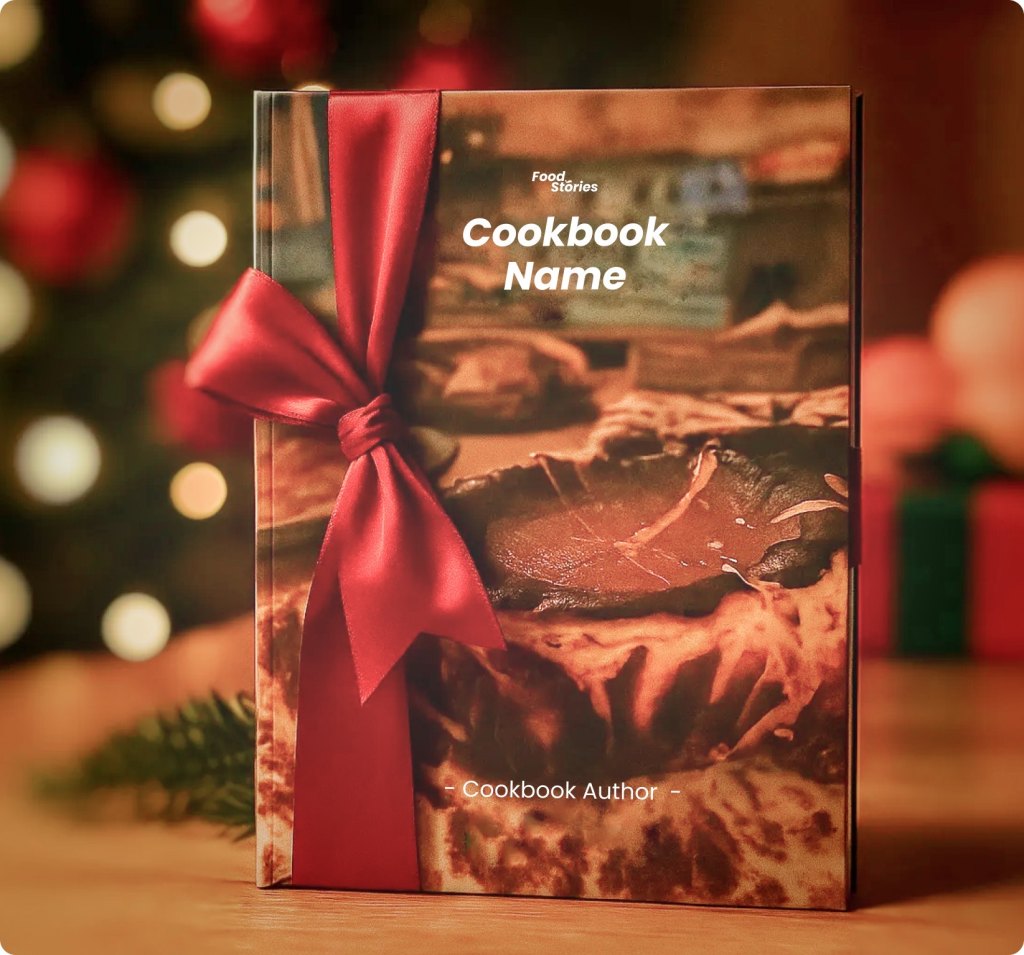
Another dimension is the move toward greater personalization, enabled by technology. Vinst is leveraging artificial intelligence as a creative partner in recipe design, enabling menus to be tailored according to individual preferences, dietary needs and seasonal harvests. As Dr. Glazer explains: “AI doesn’t replace the cook, it augments them, helping to redesign familiar dishes, suggest substitutions and align with what the local farm has produced recently.” This ability to create customized, print-ready books also makes Vinst’s offering appealing for those seeking unique holiday presents, especially for relatives who enjoy cooking or families preserving a loved one’s handwritten recipes.
Importantly, home-cooking offers control. When a household knows exactly what is going into the pot, there is agency over calories, ingredients, processing and additives, factors that are often hidden when a meal is outsourced. Studies show that cooking at home is associated with improved diet quality as well as greater alignment with dietary guidelines. In practical terms, this means families can shift from passive consumption to active choice, choosing produce from their region, factoring in seasonal availability and preserving nutrients rather than relying on pre-prepared meals.
Yet, according to Dr. Glazer, the value stretches beyond nutrition. Home-cooking nurtures interpersonal bonds, invites multi-generational participation and preserves culinary heritage. Vinst’s emphasis on local farms adds another social layer: By sourcing regionally, the supply chain becomes shorter, the food system more transparent and the economic activity more locally embedded. “When your farmer neighbors your kitchen,” Dr. Glazer notes, “you close the loop between soil and plate, and that matters for both health and community vibrancy.”
The transition to a more home-centered cooking model also carries ecological merit. Seasonal cooking tends to favor produce that is at its peak, reducing reliance on long-distance transport and intensive storage. Although Vinst does not frame its work as a claim of superiority, it does emphasize how thoughtful sourcing and recipe design can help households make more health-conscious, community-minded choices.
The choice to cook at home also signals an investment in habit formation. It invites families to re-engage with the rhythms of food preparation: meal planning, shopping locally and aligning recipes with what is in season. “The act of cooking becomes a practice of wellbeing, not just for one meal, but as a form of self-care, community care and forward-looking nourishment,” Dr. Glazer says.
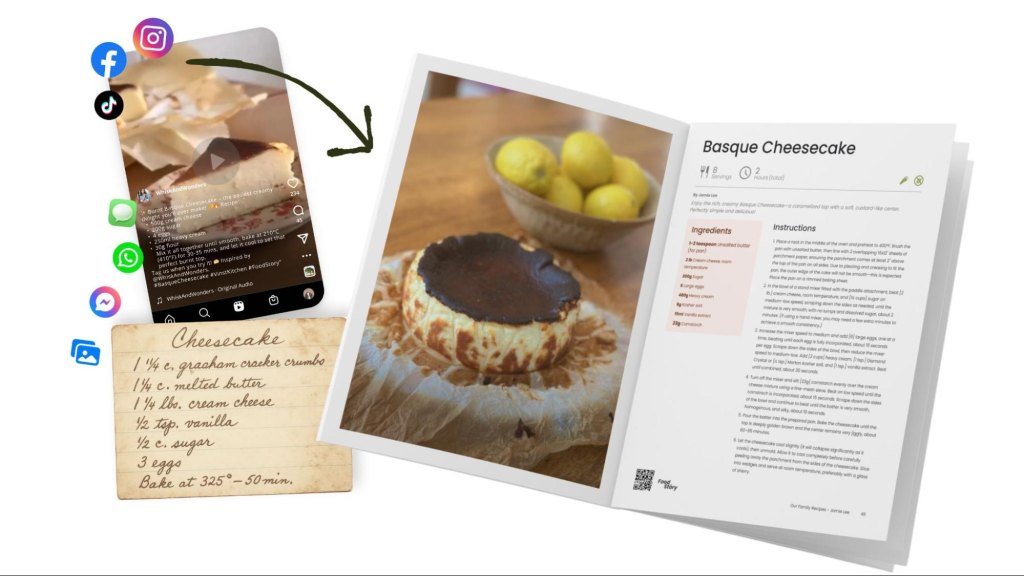
As households increasingly embrace kitchen tables as centers of health, culture and community, Dr. Glazer believes that the future of food may be found in familiar pots and skillets, guided by local seasons, old recipes and new intelligence.
“Food has always been a language of connection,” Dr. Glazer says. “If we can help people cook with intention, rooted in memory, community and the ingredients around them, we are not just improving meals, we are rebuilding relationships with food itself.” This holiday season, that renewed connection is reflected in the growing interest in personalized cookbooks, gifts that honor the past while offering something meaningful for the future.


