Dr. Sanjeev Goel, M.D. Of Peak Human: Why Longevity Without Happiness Is Pointless – The Science of Aging Well

Human beings are living longer than ever before. In 1900, the average newborn had a life expectancy of just 32 years. By 2021, that number had soared to 71, thanks to advancements in nutrition, clean water, sanitation, neonatal care, antibiotics, vaccines and improved living standards. Yet as life expectancy rises, a deeper and more urgent question emerges: What is the point of living longer if those additional years are not filled with joy, meaning and vitality?
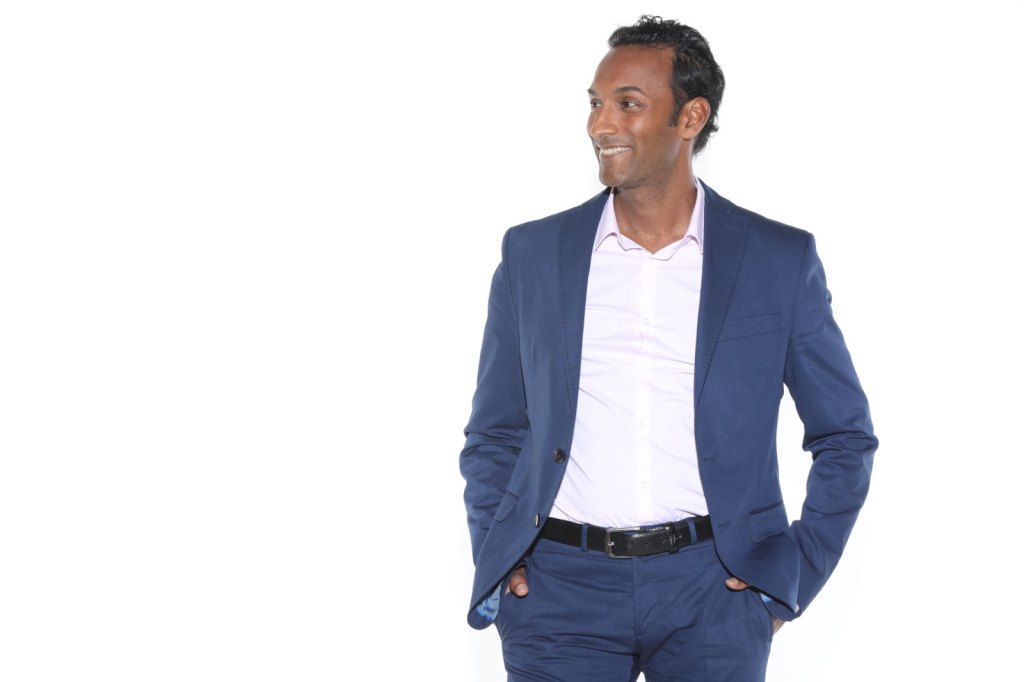
Dr. Sanjeev Goel, M.D., Founder and CEO of Peak Human, believes that longevity without happiness is a hollow victory. While science continues to push the boundaries of what the human body is capable of, extending lifespan is no longer the ultimate pursuit. Today, researchers are uncovering ways to influence the speed of aging itself. One study, for example, found that reducing calorie intake by 25% slowed biological aging in young and middle-aged adults, clear evidence that aging is not fixed, but malleable. However, Dr. Goel argues that the real challenge lies in pairing scientific progress with lives that feel fully lived. A longer life, he insists, is only valuable when it is a life one wants to live.
His philosophy is rooted in a profound personal journey. At age 17, while traveling in India and reading Gandhi’s autobiography, he witnessed extreme poverty that ignited his desire to reduce suffering in the world. During that trip, an experience carrying a live chicken from a market back to a houseboat sparked a deep ethical awakening and led him to become a vegetarian, a moment that taught discipline and conscious living, shaping the values that continue to guide him.
A defining turning point came in 2017, when he organized the Toronto Biohacker Summit. The event resulted in a financial loss of more than $100,000, yet instead of discouragement, it unlocked what he describes as a profound realization that failure could be liberating, and that he was capable of far more than he had ever allowed himself to believe. It was then that he first embraced the idea that “the enemy of great is good,” choosing to step away from the security of traditional family medicine. The same year, during a period of deep introspection, he received a message that changed the trajectory of his life: “I’m here to connect and share love.” It became his compass and his mission.
When the COVID-19 pandemic struck, it created the space and acceleration he needed to transition into longevity medicine and build Peak Human fully. Around this time, he was approaching his 50th birthday and confronting his own aging. He began experimenting on himself with protocols and technologies designed to optimize healthspan, and realized that if he could benefit from this knowledge, so could many others.
Today, Dr. Goel is fully dedicated to advancing the field of longevity and happiness medicine. He leads multiple innovative ventures, is a respected voice in the field, continues self-directed biological experimentation and advocates passionately for redefining what it means to age well. For him, the future of health is not simply living longer, but living better.
Because, as he often reminds others, “A longer life means nothing if you don’t love the life you’re living.”
What true longevity means beyond just living longer
Longevity is often reduced to a set of numbers, lifespan years gained and biological age scores. Yet through his years in palliative care, Dr. Sanjeev Goel, M.D., learned that these measures fail to capture the essence of what people value most when time becomes limited. He recalls a recurring insight from the bedside that people wished not only for more years but for better ones. From this came a guiding philosophy. Two goals are often discussed in the context of life and health: happiness and long life; both matter equally.
In longevity science, the shift from lifespan to healthspan reflects this same idea. Healthspan focuses on the years lived with mobility, clarity, emotional balance and purpose. This approach reflects both Eastern perspectives on well-being, including teachings inspired by Gandhi that emphasize harmony and presence, and Western scientific research on aging biology.
Dr. Goel’s personal data offers a real-world illustration of this mindset. Yet he emphasizes that these outcomes are not the result of obsessive tracking but are often associated with a lifestyle that emphasizes present-focused, sustainable habits and meaningful relationships.
When contrasted with conventional optimization culture, which often prioritizes strict routines over lived experience, his approach highlights an important question. What is the value of extending life if the added years are filled with stress and disconnection? His integration of attention science and mindful presence through the “Going Nowhere Getting Somewhere” framework offers a more comprehensive definition of longevity, one that is measurable yet deeply human.
Why happiness is the ultimate longevity biomarker
The link between emotional well-being and physical aging is now a central focus in research labs worldwide.
Dr. Goel’s perspective was shaped not only by medical research but by an experience in 2017 during a guided reflective session. The message that emerged was that the aim was to foster connection and reduce suffering, reflecting patterns he had repeatedly observed in clinical practice. Observations across healthcare settings suggest that people who feel supported or connected often demonstrate greater emotional resilience during serious illness, while social isolation has been associated with more difficult outcomes.
Happiness from a scientific standpoint is more than a mood. It involves neurotransmitter balance, reduced cortisol levels, oxytocin release through supportive relationships and activation of brain regions associated with purpose. These biological pathways influence inflammation, immune function and cellular aging.
In practical terms, cultivating happiness can involve mindfulness practices, regular connection with others and technologies that support consistency. Dr. Goel incorporates various digital tools to support reflection and awareness, not as replacements for human interaction, but as accountability mechanisms that help individuals stay aligned with daily habits that foster emotional well-being. The lesson emerging from both data and clinical experience is clear. Emotional health is central to aging well, not peripheral to it.
Going nowhere to get somewhere: The attention revolution
Modern longevity discussions often focus on biological pathways, yet one of the most overlooked determinants of well-being is the quality of attention. Dr. Goel references a Japanese koan that captures this paradox. Stop chasing to actually arrive. In a world saturated with digital stimulation, constant comparison and information overload, the ability to be present has become scarce.
His Book “Going Nowhere… Getting Somewhere…” argues that attention is the new gateway to longevity because it shapes mood, stress levels, decision making and ultimately biological health. Protecting attention allows for deeper experiences of connection and meaning, which in turn support emotional and physiological resilience.
A growing body of research shows that constant digital stimulation elevates dopamine demand, disrupts sleep and shortens attention span, all of which affect metabolic and cognitive aging. Dr. Goel notes that as artificial intelligence becomes more personalized and integrated into daily life, individuals may gain an extended lifespan through technology, yet risk losing the human experiences that make those years valuable.
To counter this, he introduces practices such as dopamine fasting, strategic breaks from stimulation that help reset reward pathways. His broader techno fasting approach encourages intentional time away from screens to restore clarity, focus and emotional grounding. These practices complement biological longevity strategies by strengthening the mental capacity needed to sustain well-being across an extended life.
The best diet for longevity includes joy
Nutritional protocols often dominate longevity conversations, yet Dr. Goel points to an overlooked variable in dietary science enjoyment. Research in behavioral psychology shows that people are more likely to sustain habits that feel meaningful or pleasurable. Conversely, rigid restrictive protocols can elevate cortisol, which undermines metabolic health and accelerates biological aging.
Among Peak Human patients, similar patterns appear. Individuals who find joy in their nutrition plans maintain consistency over the years, while those who pursue strict optimization often abandon their routines. Consistency, not perfection, is what influences long-term health outcomes.
Longevity nutrition, therefore, becomes not just a matter of macronutrients but of emotional connection to food, whether it is shared with loved ones, enjoyed mindfully or chosen in alignment with personal values. Sustained well-being comes from approaches that are both scientifically grounded and psychologically sustainable.
How Dr. Sanjeev Goel, M.D. measures longevity success differently
Many longevity programs define success through biomarkers, yet Dr. Goel incorporates additional metrics that reflect the lived experience of aging. He asks patients about relationship quality, time spent in flow states, creative engagement and moments of genuine laughter. These indicators highlight how people actually experience their lives, not just how their lab values read.
This perspective aligns with research showing that emotional resilience, purpose and social connection influence genetic expression and inflammation. Becoming what he calls healthspan elite involves cultivating both biological and experiential markers of well-being.
A case example from his practice illustrates this balance. An entrepreneur arrived with excellent biomarkers yet reported persistent dissatisfaction. The solution involved reintroducing shared mealtime for creativity and space for unstructured rest. As his emotional well-being improved, so did his physiological markers, reinforcing the idea that longevity cannot be pursued through biology alone.
The Peak Human model combines advanced testing with attention training, emotional health practices and sustainable lifestyle design. By evaluating the full spectrum of physical, mental, emotional and relational health, Dr. Goel offers a more multidimensional way of understanding what it means to age well.
Simple habits that support longevity and happiness
Choose habits that support joy, not stress.
Dr. Goel shows that rigid optimization backfires. Sustainable routines that fit your life slow aging more than perfection.
Protect your attention.
Your ability to be present shapes mood, stress and long-term health. Short breaks from stimulation and intentional screen-free time restore clarity.
Stay connected.
Emotional support, shared meals and meaningful relationships influence resilience, inflammation and the overall experience of aging.
Make your lifestyle choices meaningful.
Whether it is nutrition, mindfulness or movement, habits grounded in personal values last longer; his own shift to vegetarianism is an example.
Treat happiness as part of your health plan.
Lower cortisol, stronger immune function and slower biological aging all connect to emotional well-being. Joy is not extra; it is a biomarker.
Longevity is no longer just a question of how long life can be extended. It is a question of what those extra years feel like. Dr. Goel’s work serves as a reminder that the real breakthroughs happen when science and lived experience meet. Biological age scores matter, but so do presence, connection and the moments that make a life feel whole.
A longer life has value only when it reflects who you are and how you want to live. If you protect your attention, choose habits that bring joy, and stay grounded in relationships and purpose, you create the conditions for health that lasts. Not just lifespan, but a life you want more of.
In the end, getting older is unavoidable. Suffering through it is not. The path to aging well is clear. Pay attention. Stay connected. Live with intention. And build a life you would gladly extend.


