After ‘Dungeon Crawler Carl,’ Matt Dinniman’s Next Novel Could Revive a Classic Horror Subgenre
The bestselling fantasy author says an overlooked corner of horror has been waiting for the right modern take

Key Takeaways
- Matt Dinniman’s next book: The Dungeon Crawler Carl author is writing a violent horror novel.
- Evolution of animal horror: The premise builds on creature feature classics like Jaws and Cujo.
- LitRPG to horror: Dinniman expands beyond his hit LitRPG series and recent book themes.
Like an actor connected with a phenomenally successful character (think Sean Connery as James Bond or William Shatner as Star Trek‘s Captain Kirk), Dungeon Crawler Carl author Matt Dinniman has become almost inseparable from his most popular creation. And with good reason: since introducing Carl and his pampered feline companion, Princess Donut, to readers in 2020, he has transformed what might have sounded like an outrageous premise—an alien-produced reality show in which humanity fights for survival inside an ever-changing dungeon—into one of fantasy’s biggest word-of-mouth success stories. And created great anticipation for whatever is going to come next (more on that in a moment).
Dungeon Crawler Carl has helped propel LitRPG (literary role-playing game)—a genre that mixes fantasy and science-fiction stories with traits from video games—into the mainstream, earning widespread critical acclaim, a print publishing deal with Ace Books, and a passionate fan base that extends well beyond the genre’s traditional audience. With Dungeon Crawler Carl‘s television adaptation currently in development and readers eagerly awaiting each new installment, it’s easy to forget that it represents only one chapter of Matt Dinniman‘s career.
Long before Carl ever stepped into the dungeon, Dinniman had already established himself as an imaginative voice in independent fantasy and horror. His bibliography includes the horror novel The Grinding (2013), the LitRPG series Dominion of Blades (2017-2018), the notoriously dark Kaiju: Battlefield Surgeon (2019) and the fantasy-horror trilogy The Shivered Sky. Earlier this year, he also demonstrated that he wasn’t content to remain within a single franchise, releasing the standalone science-fiction novel Operation Bounce House through Ace Books.
Now Dinniman appears poised to revisit another genre that has been part of his work from the beginning—horror. “I strongly feel the most important element to any horror novel, regardless of setting, is a sense of dread,” he mused in a Reddit AMA.
Although he has revealed very little publicly, it sounds like he will nail that notion with his next standalone novel, a horror story set at a petting zoo where the animals turn on their human visitors. The premise immediately recalls one of horror fiction’s most enduring traditions: the “creature feature.” At the same time, it promises something different: rather than sharks stalking swimmers or wolves hunting campers, the author has chosen one of the safest, most family-friendly environments imaginable—a place where children feed goats, pet rabbits and gather for birthday parties. What better setting for horror is that?
A rich history of animal horror
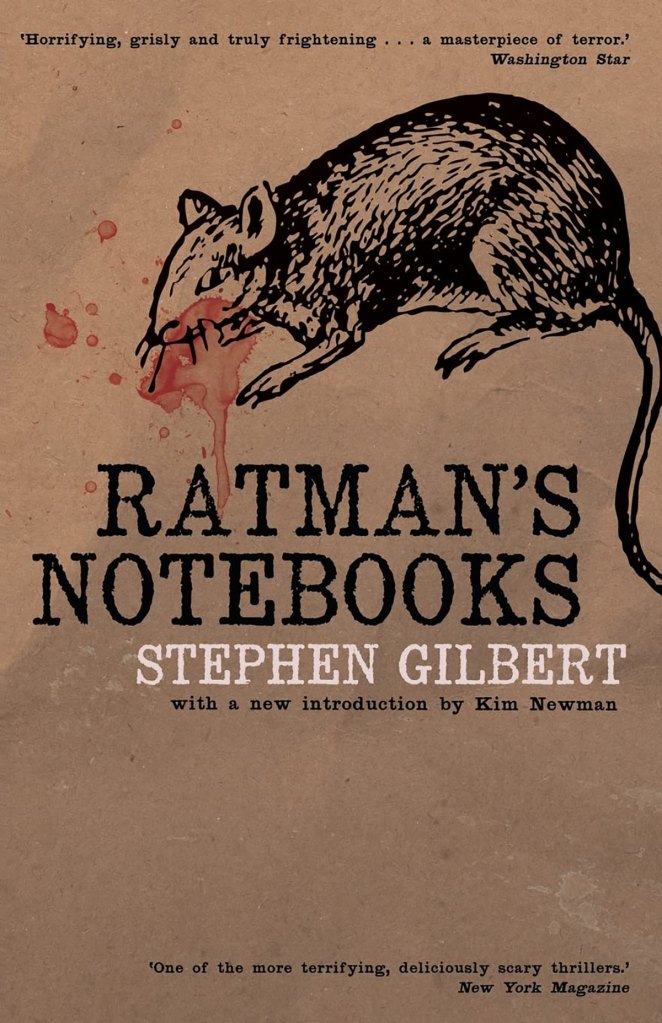
While the premise of Dinniman’s next novel may sound unusual, horror fiction has long found terrifying possibilities in the animal kingdom. One of the earliest modern examples was Stephen Gilbert’s Ratman’s Notebooks, published by Michael Joseph in 1968. Rather than focusing on giant monsters or supernatural creatures, Gilbert told the story of a lonely, socially isolated man who develops an increasingly disturbing relationship with a colony of rats. The horror came as much from Willard Stile’s psychological decline as it did from the animals themselves. The novel later inspired the films Willard (1971), Ben (1972), and the 2003 remake of Willard, helping establish the idea that ordinary animals could become frightening under the right circumstances (well, in the case of rats, even more frightening).
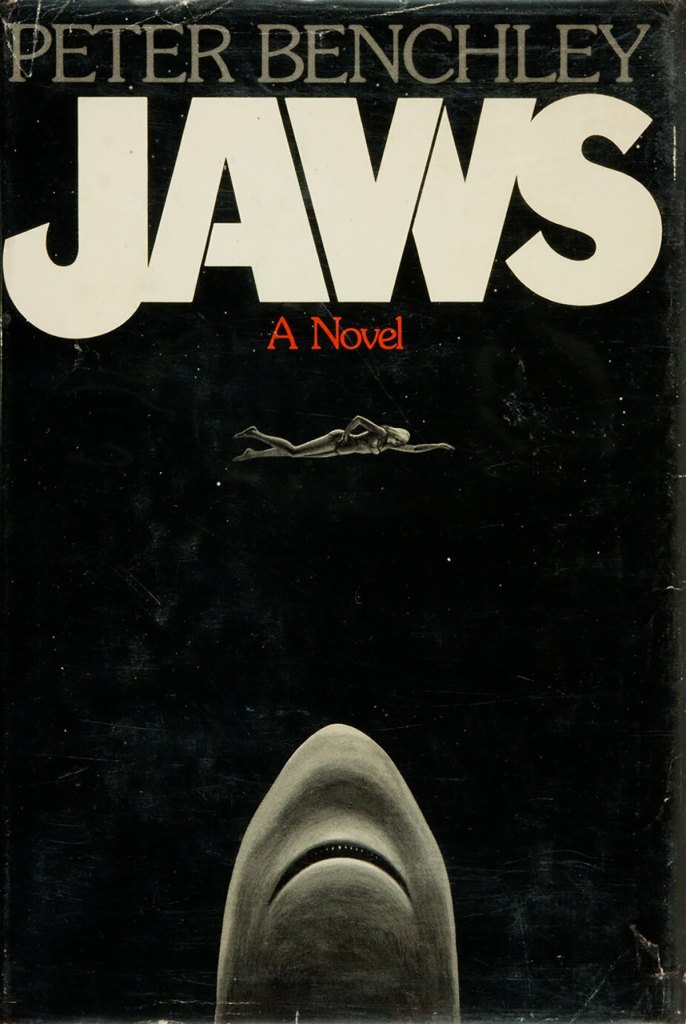
The creature feature truly exploded into the mainstream with Peter Benchley’s Jaws, published by Doubleday in 1974. Benchley transformed the great white shark into one of popular culture’s most recognizable predators, creating a suspense novel that became an international bestseller before inspiring Steven Spielberg’s landmark 1975 film adaptation. More than 50 years later, Jaws remains the benchmark against which many animal horror stories are measured.
Benchley shared with The Sunday Oregonian on February 10, 1974, “I’ve always been a prisoner of the sea. Fascinating violence lurks there. The shark, for example, is a terrifying water dinosaur which hasn’t changed for 30 million years. Jaws is the story of a shark that visits the waters around Long Island and simply won’t go away. People stay away in droves. They’re just plain scared. Of course it ruins everything. The story just poured out of me.”
That same year, British horror author James Herbert demonstrated that terror didn’t have to come from a single unstoppable predator. Published by New English Library, The Rats imagined swarms of giant flesh-eating rats overrunning London, creating relentless survival horror that launched a successful trilogy and established Herbert as one of Britain’s most influential horror writers.
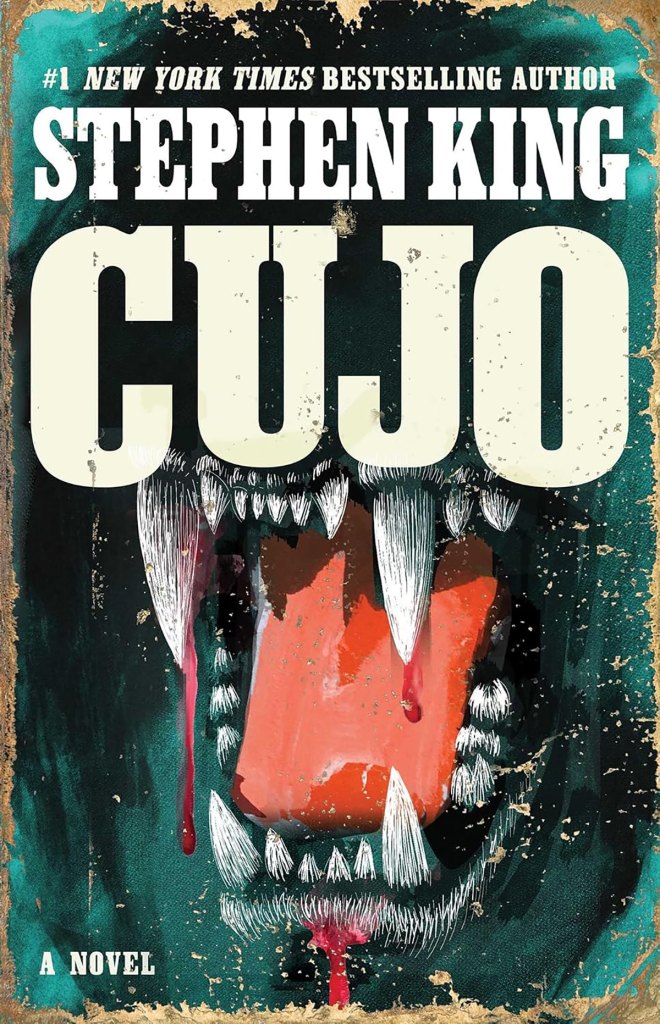
Stephen King approached the subgenre from a different direction with Cujo, published by Viking Press in 1981. Instead of presenting an inherently evil animal, King centered his novel on a gentle Saint Bernard driven into violence after contracting rabies. The result was as tragic as it was terrifying.
Shaun Hutson pushed creature horror into even more graphic territory with Slugs, published by Macmillan in 1982. Replacing sharks and dogs with flesh-eating garden slugs, Hutson embraced visceral body horror, proving that almost any creature—even one generally considered harmless—could become terrifying in the hands of the right storyteller.
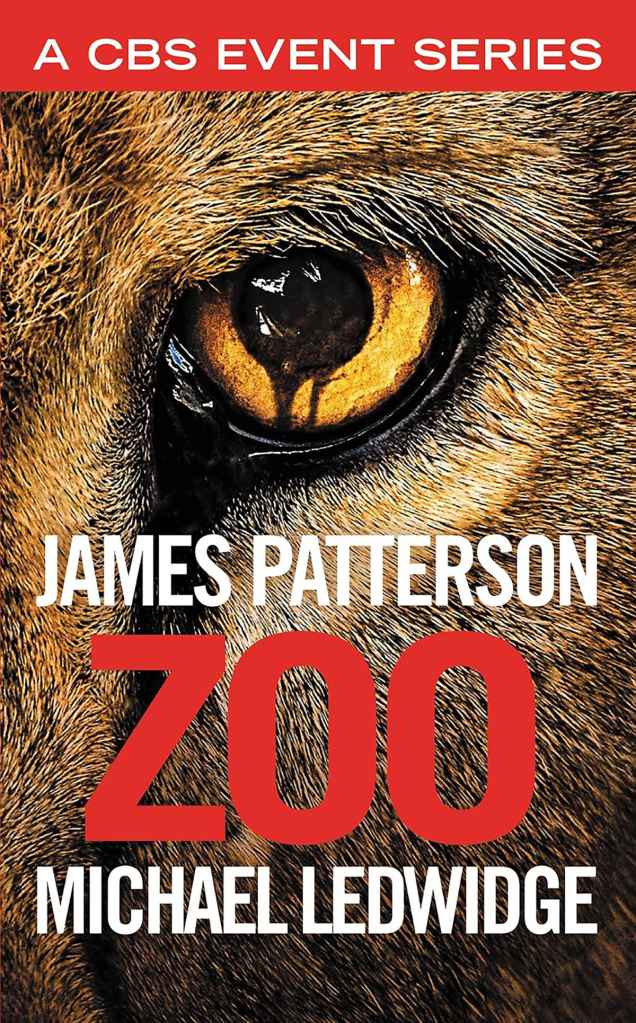
More than 30 years later, James Patterson and Michael Ledwidge expanded the scale dramatically with Zoo, published by Little, Brown and Company in 2012. Rather than focusing on a single species, the novel imagined coordinated attacks by animals around the globe, transforming the creature feature into an international thriller about humanity suddenly finding itself in a lower position on the food chain.
“Originally there were a couple of things on my mind,” Patterson recalled “One is humans were doing some sort of not praiseworthy things to the Earth, so I liked the idea of creating a fable about the Earth maybe paying us back for how we’re acting. Secondly, I just kept seeing things about odd behavior by animals.. fish jumping into boats in Michigan, many more gator attacks than ever in Florida… just other odd animal behavor, and that just sort of stimulated me to write the book Zoo. It’s about animal attacks all over the world we’ve got lions on the loose in downtown Los Angeles, we have animal attacks in Africa, we’ve got bats all over Rio de Janeiro. With Jurassic World, you kind of know where it’s going. With Zoo, you don’t know where it’s going, so there’s a lot of mystery to it.”
Taken together, these novels demonstrate just how flexible the subgenre has become, with some exploring psychological obsession, others pitting humans against a single relentless predator or overwhelming swarms of creatures. Then there are those that use animal attacks to examine broader questions about humanity’s relationship with nature. Which raises the obvious question: Where does Dinniman’s petting zoo horror novel fit within that tradition?
Why a petting zoo makes the premise so intriguing
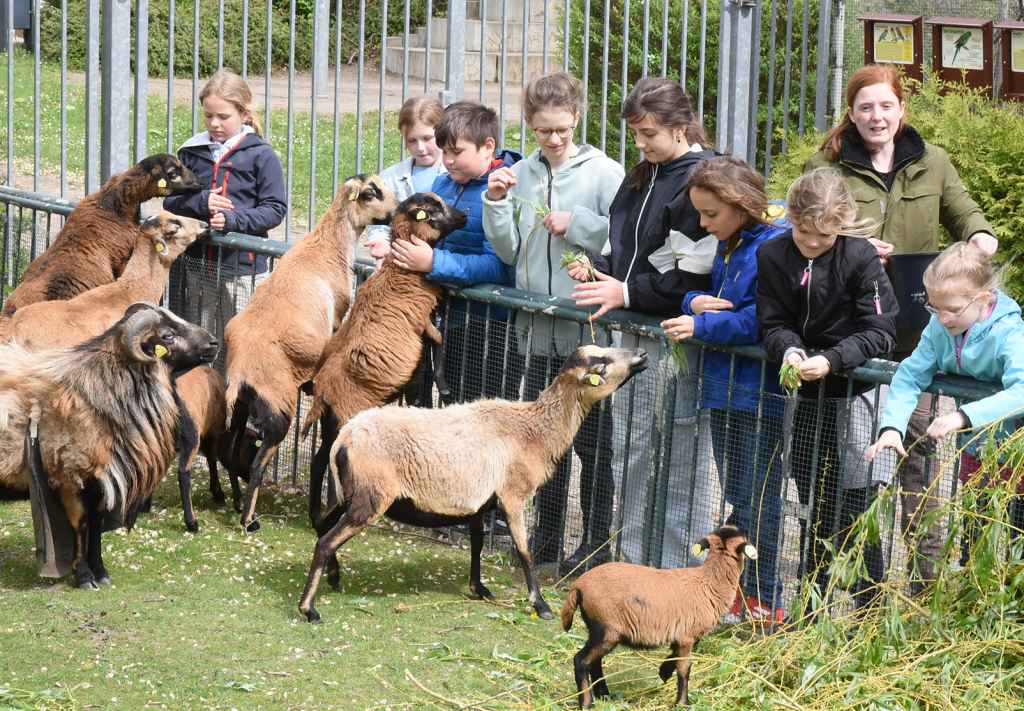
At first glance, “animals turn on humans” may sound like familiar territory, but Dinniman’s announced premise differs from nearly every major creature feature that came before it. He’s chosen one of the least threatening settings imaginable, as a petting zoo is designed to be reassuring. It’s where toddlers feed goats from the palms of their hands, children laugh as sheep nuzzle them for treats and families gather for birthday parties and school field trips. Unlike the open ocean or an isolated farmhouse, it isn’t a place where visitors expect danger. That contrast, of course, gives the premise much of its appeal.
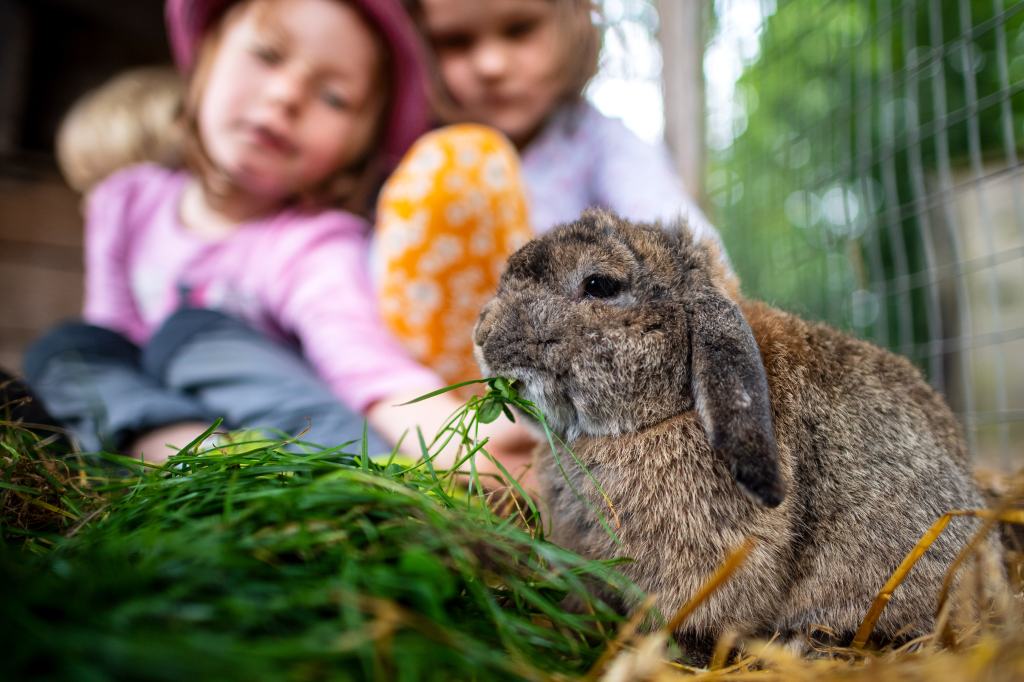
That difference between expectation and reality gives the premise much of its appeal, and if nothing else, readers can expect Dinniman is unlikely to approach the idea as a straightforward creature feature. Throughout Dungeon Crawler Carl, he has repeatedly demonstrated that even his wildest concepts serve a larger purpose—beneath the dungeon crawls, alien game shows and over-the-top action sequences are observations about consumer culture, entertainment, capitalism, bureaucracy and the resilience of ordinary people forced into extraordinary circumstances. Likewise, Operation Bounce House wrapped a fast-paced science-fiction adventure around ideas involving technology, commercialization and the increasingly blurred line between games and warfare.
His earlier horror work followed a similar philosophy. The Grinding and Kaiju: Battlefield Surgeon weren’t simply exercises in gore or monster mayhem, but rather an exploration of how fear, desperation and isolation reshape people under impossible circumstances. That history makes it reasonable to expect that the animals themselves may not be the true focus of the new novel. Instead, the petting zoo could simply provide the catalyst for exploring the people caught inside it—their relationships, fears and the decisions they make once the familiar suddenly becomes terrifying.
What BookTok knows about Matt Dinniman’s next book

TikTok channel @MaudesBookClub recently had an interview with Dinniman that feels like a master class in saying something while revealing virtually nothing. Here’s what he said about his next book:
Q: Are you going to do another standalone next year?
Matt Dinniman: I am. I have a standalone I’m working on right now.
Q: What can you tell me about it?
Matt Dinniman: It’s about a petting zoo.
Q: I’ve interviewed you so many times, and there are still moments where you’ll say something that leaves me absolutely speechless. Matt… again, what?
Matt Dinniman: It’s cozy fantasy.
Q: You’re going to do a cozy fantasy at a petting zoo?
Matt Dinniman: The most violent cozy fantasy that’s ever…
Q: There it is. So, Matt loves horror. What are you doing to these animals?
Matt Dinniman: You’ll find out.
Q: God.
Matt Dinniman: It’s more about what are the animals doing to people like you.
Yikes!
Conversation
All comments are subject to our Community Guidelines. Woman's World does not endorse the opinions and views shared by our readers in our comment sections. Our comments section is a place where readers can engage in healthy, productive, lively, and respectful discussions. Offensive language, hate speech, personal attacks, and/or defamatory statements are not permitted. Advertising or spam is also prohibited.