Carley Fortune on New Book ‘Our Perfect Storm’: ‘I Want You to Feel Everything’ (Exclusive)
We sat down with the bestselling author to discuss romance, Barry’s Bay and beyond!

Key Takeaways
- Carley Fortune left a high-profile journalism career to write fiction after a creative reset.
- Her bestselling novels are shaped by nostalgia, place and emotionally immersive storytelling.
- The upcoming Prime Video adaptation of 'Every Summer After' expands Fortune’s story.
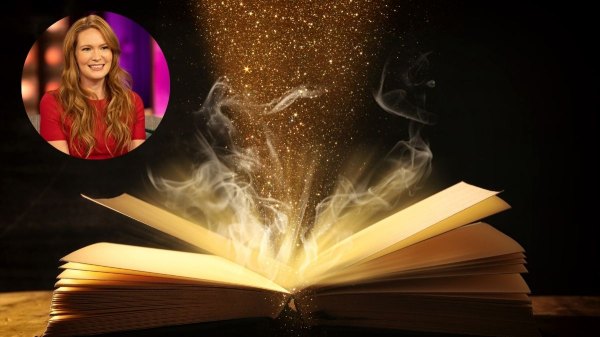
Carley Fortune is the #1 New York Times bestselling author of heart-tugging hit novels like Every Summer After and One Golden Summer—but just a few years ago, a future in fiction felt out of reach. “I was a journalist for 15 years before I wrote Every Summer After. I loved writing fiction when I was a kid, but I grew up in a really small town of 1,200 people, Barry’s Bay, which is where two of my books are set. And I just didn’t think I could be an author,” she tells Woman’s World. “I didn’t know any authors, and there was no connection to publishing. It felt like a silly dream, like saying I’d be an NHL player. So I set it aside.”
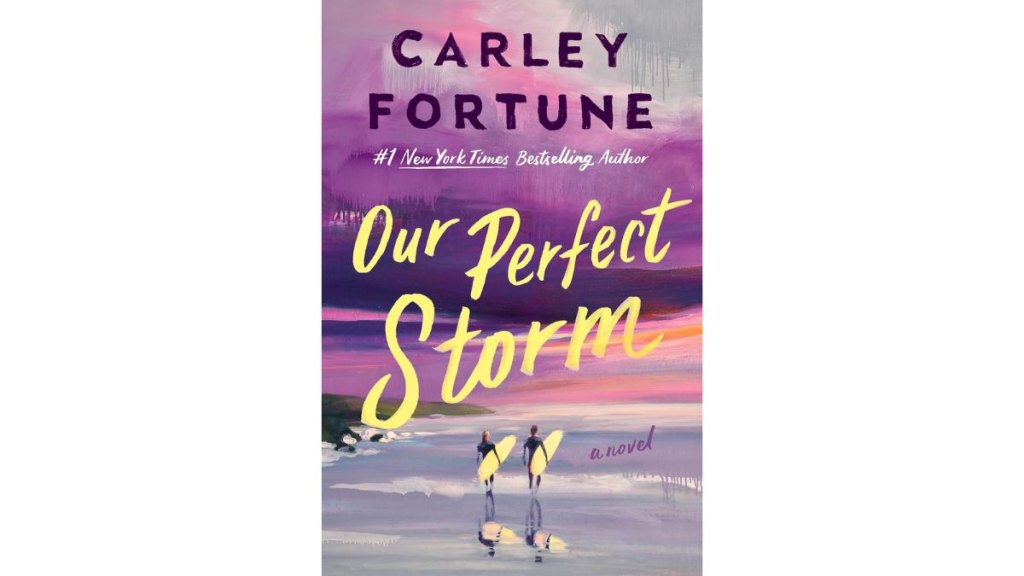
Now, with more than 4 million books sold, legions of readers are eternally grateful Fortune revisited her dream. Today, she has multiple novels under her belt—plus an upcoming Prime Video adaptation—and her newest book, Our Perfect Storm—out today—brims with her signature Canadian settings and tender emotion.
Here, we sat down with the bestselling author ahead of the book’s release to discuss what she hopes readers take away from it, her favorite scenes in the Every Summer After Prime Video TV series (hint: they’re not moments from the book!), the power of nostalgia, how her beloved Barry’s Bay sparked her debut novel and more!
Woman’s World: Carley, thank you for taking the time to talk with us! We’re all big fans of your books here at Woman’s World. Can you tell us about your journey to becoming a bestselling author?
Carley: Thank you so much! In high school, even though I loved creative writing, I decided to pursue journalism because I also loved magazines. I loved the physical experience of holding one, the interplay of text and art. I studied journalism and went on to work as an editor. There were very few staff writer jobs, so editing made more sense.
I graduated in 2006 and slowly worked my way up. I worked at newspapers, including The Globe and Mail, which is a national newspaper. I started as an assistant life editor at The Globe and Mail, became deputy style editor of the Saturday section and then left to go to Chatelaine magazine, which is one of the longest-running women’s magazines in Canada. I became deputy editor there.
WW: That’s so cool. You’re a fellow magazine girl! Working at a magazine has always felt so special and nowadays somewhat rare.
Carley: I completely agree. I loved working in women’s media. My last seven years were in that space and I saw how similar topics could be treated differently compared to newspapers. At Chatelaine, I edited a wide range of content—politics, crime, food, fashion. We also covered serious topics like sexual assault trials but also developed recipes and had a test kitchen.
I worked with an editor named Lianne George, one of the smartest people I know, and that’s why I moved there. I loved the job. Then in 2018, our parent company, Rogers Communications, made major cuts. It was a major layoff across all magazines. The day has been called the “Red Wedding.” Five minutes after it happened, I was offered the editor-in-chief role.

WW: Through all this, did you have any thoughts about being an author?
Carley: Not at first. I put out one issue as editor-in-chief, then left and launched Refinery29 Canada. I hired a small editorial team and was proud of what we were doing, but there were constant corporate challenges. We were then acquired by Vice Media Group. By 2020, I was very frustrated.
I got off a bad work call while at the cottage [in Barry’s Bay] and slammed the phone down. Right then, I decided to write a book and finish it by the end of the year. It was a promise. I wanted to do something for myself creatively.
WW: Wow. And your debut was Every Summer After. Did you have the idea for this book brewing already or did it come to you during this moment?
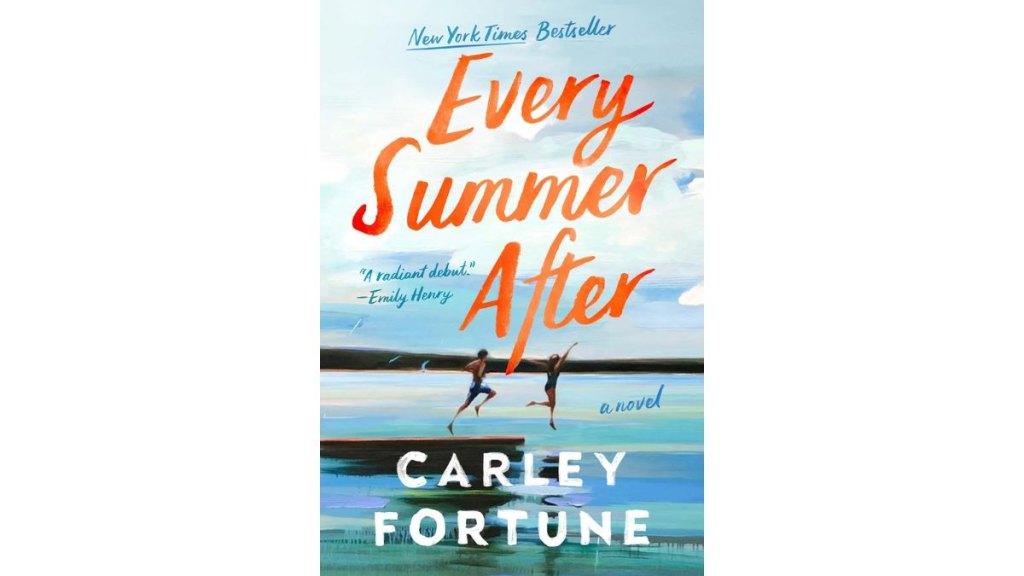
Carley: It came together over a few days. Earlier that year, during lockdown, I reread all my childhood journals. The emotions felt so real. I found notes from friends, invitations—even a letter from a friend ending our friendship.
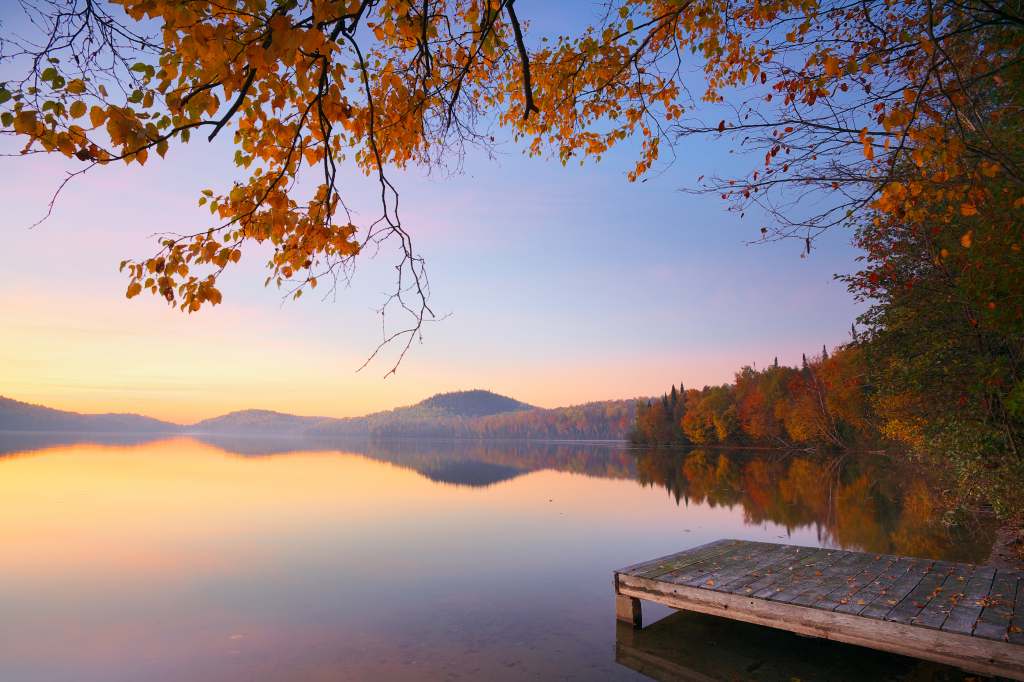
At the same time, I was staying in Barry’s Bay with my family. I ran back to my old lake house for the first time, and it felt like running back in time. All of that was percolating. When I decided to write a book, I knew I wanted to write about growing up on the lake.
WW: When did you first notice your debut was gaining traction? What was that like? In our office, your novel was a big ‘word of mouth’ recommendation.
Carley: I love that. It came out in May 2022. I didn’t do a traditional book tour because of the pandemic. And I remember watching the conversation around the book shift week after week. Online you could feel it changing from, ‘have you heard about this book?’ to ‘you have to read this book.’ Then it was being described as “this book is the book of the summer.” And then it was, “is this book worth the hype?” [laughs] And at that point, it hit the New York Times bestseller list, which is a strange thing to happen for a debut novel.

WW: Why do you think so many readers resonated with Every Summer After? At its heart, its such an immersive and romantic coming-of-age story.
Carley: It is. I just think it really struck a chord at a moment when people wanted to feel like they were spending a summer away at the lake—an escape. But also, I think it captured this sense of nostalgia. Sometimes the feeling of nostalgia in books or stories can make you long for something you never even had.
WW: All your books have such a strong sense of place. They’re all main characters in their own way! I know Barry’s Bay is such a big piece of your life. But you’ve also ventured to Prince Edward Island and now—in Our Perfect Storm—Tofino. How did you choose the latter two places?
Carley: When I started writing, there were two places I knew I wanted to explore. I knew I wanted to set a book on PEI, and I also wanted to do something set in Tofino, because it really left a mark on me when I went.
Going to Tofino feels like standing on the edge of the world—you’re as far west as you can possibly get in Canada. It’s unlike anything else…with the rainforest and the beach colliding. It’s truly spectacular and while it is a very famous place, there’s also this phenomenon in Canada that people don’t travel within the country very much.
WW: The resort in Our Perfect storm is so vividly described. Is it a real place?
Carley: It’s really an amalgamation of several resorts in the area. I wanted to make it its own thing—so I could design a resort and a room exactly the way I wanted. But I did have a hotel experience like that at a Relais & Châteaux property in France. And in Tofino, there’s the Wickaninnish Inn, which is incredibly luxurious and part of the Relais & Châteaux property group. In France, our room was extraordinary—multiple bedrooms, just over the top. When we walked in, I remember thinking, ‘Oh my God… did I make a mistake booking this?’

WW: You write beautifully about food. Is food an interest of yours personally? Or do you have experience with food writing?
Carley: Thank you! My dad was a chef. My parents had an inn and a restaurant, so I grew up in the restaurant world. Later, as an editor, I worked extensively with food content and test kitchens. So I guess I have that understanding of what goes into creating and developing a recipe properly. Food always naturally finds its way into my stories. I love food. [laughs]
WW: When it comes to romance novels and tropes, do you have a favorite you like to read or write?
Carley: I actually never think of tropes as I’m brainstorming. It’s just not part of my toolkit as a writer. When I’m writing, I’m thinking more of the setting and the emotional dynamic between the characters, and then after, the tropes kind of just appear.
WW: What can you tell us about the Every Summer After adaptation coming to Prime Video? I’m so excited for this series.
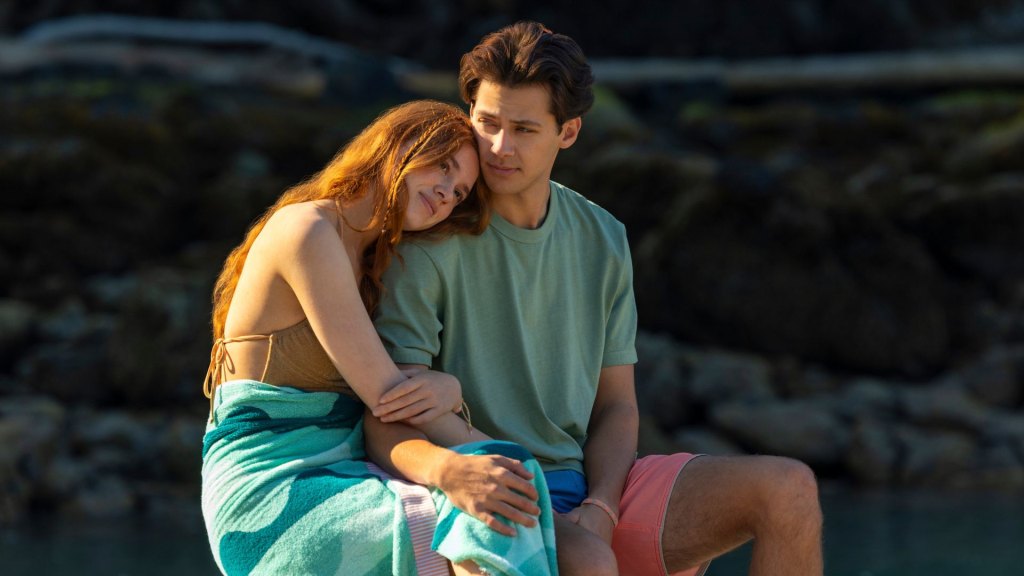
Carley: I’m genuinely a fan of the show, which has been such a pleasure for me. Our showrunner, Amy B. Harris, has done a brilliant job staying true to the emotional core of the book while also creating something that works as its own television experience—it’s a completely different medium.
The cast is wonderful, and the show looks and feels distinct from anything else out there. Some of my favorite on-screen moments aren’t even in the book, which is such a delight. The show really has the heart of the book as its guiding light, but then it’s also its own thing. And it’s so wonderful.
WW: What do you hope readers take away from Our Perfect Storm?
Carley: I want to give you a really good reading experience—to feel everything. I think that feeling of sitting with a book and feeling like you’re living within the pages while you’re with it—that’s so special. So if you feel like you’re in Tofino and really with George and Frankie, that’s number one. And then number two is having a visceral experience—like the book physically provokes something in you, whether that’s tears or laughter or tightness in your chest. I really want that. I want those emotions to really come to the surface for readers.
And I think—and I always hope—the books make people think about our relationships. And I don’t necessarily mean romantic relationships. With this book, there are also relationships between women—this one has a mother-daughter storyline.

We all create stories about the people in our lives—we make up narratives about them—and that’s not necessarily how they see things. I think it’s about allowing space for someone else to have their own experience and accepting that their experience isn’t necessarily what you think it is. I guess…it’s about empathy, really.
Pick up your copy of Our Perfect Storm—out now—here!
Conversation
All comments are subject to our Community Guidelines. Woman's World does not endorse the opinions and views shared by our readers in our comment sections. Our comments section is a place where readers can engage in healthy, productive, lively, and respectful discussions. Offensive language, hate speech, personal attacks, and/or defamatory statements are not permitted. Advertising or spam is also prohibited.