Fleetwood Mac’s ‘Rumours’: New Book Reveals Untold Secrets Behind the ‘Greatest Breakup Album of All Time’
Author Alan Light cracks open the enduring appeal of this legendary album

When Fleetwood Mac stepped into the windowless California studio known as The Record Plant in 1976, they had no idea they were about to create an album that would still top charts 48 years later. Then they made Rumours. Decades after its release, the world remains utterly infatuated with the iconic album—especially, and somewhat surprisingly, younger generations. But why? In his new book, Don’t Stop: Why We (Still) Love Fleetwood Mac’s Rumours, author and former Vibe editor-in-chief Alan Light sets out to find the answer.
Loaded with musical lore, anecdotes and interviews, the 288-page book unpacks all the eye-opening drama and emotion that went into making the record that became a cultural phenomenon. In addition, Light’s book proves something unique about Rumours: It’s the classic rock album that continues to attract legions of young listeners year after year. Here, we gathered everything you need to know about this must-read, plus a few secrets behind songs like Silver Springs and more.
What is Alan Light’s new Fleetwood Mac book about?
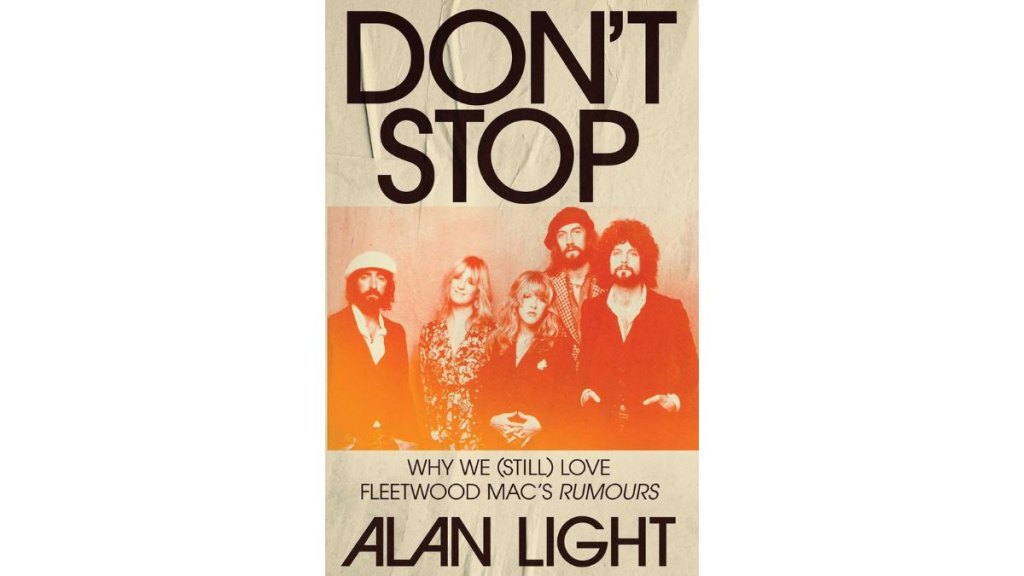
In Don’t Stop, award-winning journalist and bestselling author Alan Light attempts a monumental feat: unraveling the history and, well, rumors behind Fleetwood Mac’s seminal album Rumours. Since the album’s release in 1977, it has captivated the world with its universal emotion and brilliant lyrics. Broken down into three parts, Light’s book dives into the history of Fleetwood Mac, the stories behind the songs, and, in short, the enduring power of Rumours. Pulling from a trove of interviews with artists inspired by Fleetwood Mac, old fans and new fans, he cracks open what keeps this album so current in pop culture—from Glee to Daisy Jones & The Six to Saturday Night Live and Harry Styles—and how its impact has transcended generations.
Now and then: a classic album in a TikTok age
Light has authored many books, including The Holy or the Broken: Leonard Cohen, Jeff Buckley, and the Unlikely Ascent of “Hallelujah” and Let’s Go Crazy: Prince and the Making of Purple Rain, but his inspiration for writing Don’t Stop didn’t come from his own music enthusiasm—it came from his son! “When my son was in high school, I noticed all of his friends seemed to have some relationship to Rumours that they didn’t with any of the album’s contemporaries,” Light said in an interview with Publishers Weekly. “That struck me as interesting, so I took a preliminary look at streaming data and saw that this is not just anecdotal—Rumours sells way more than any of these other classic rock albums. I also started to think about the ways that it kept reappearing in culture: the all-Rumours episode of Glee, Daisy Jones & the Six. This album holds a unique place in popular culture, and I wanted to figure out why. I didn’t want to hear from those of us who grew up with the record. I wanted to hear from people growing up with it now.”
Over the years, Rumours continually goes in and out of viral moments on Twitter, TikTok and other social media platforms—much more than any other classic album. “This trajectory is utterly unique: Younger listeners decidedly do not form any sort of comparable bonds to rock behemoths like the Eagles’s Hotel California or Led Zeppelin IV,” Light writes in Don’t Stop. “Great as they are, to twenty-first-century kids those records are ancient. Yet the themes and emotions of Rumours retain a powerful, contemporary impact to those who were born decades after its release.”

Recording ‘Rumours’: drama, tension and universal heartbreak
Another reason Rumours continues to pull in new fans decades after its release? The music, the songs, the lyrics and the passion were—are—real. In fact, we see this in albums and viral songs over and over again. From Taylor Swift’s ‘All Too Well’ (we’re looking at you, Jake Gyllenhaal) to Dolly Parton’s ‘I Will Always Love You’ (a heart-tugging number about her musical breakup with longtime collaborator Porter Wagoner), tethering a piece of art to a real-life relationship or love story allows listeners to connect with it on a soul level. People of all ages can learn from it and see their own experiences reflected back to them.
“For people who are my age, who grew up with this album, it’s so defined by the soap opera,” Light said during a recent appearance on Page Six Radio. “It’s so much about the drama and it’s so much about Lindsey and Stevie and it’s so much about the tension and the breakups. In every poll about the ‘Greatest Breakup Album of All Time,’ it’s number one—nothing even comes close. But talking to a 20-year-old about that, on one hand, some of them are super into the lore and know all about it and some of them know nothing about it.”

What stands out about Gen Z’s interest in the album? They see it in a positive light. “Almost all of the younger listeners wouldn’t define it as a breakup album. It’s not about the anger for them, because they know how the story ends.” Light explained that different generations take different lessons from the album—for Gen Z, they see it as a hopeful album because Stevie and Lindsey went on to create more albums and play together for decades.
Whether fans see the album as heartbreaking or hopeful, one thing is certain: the real-life drama surrounding its recording is now the stuff of legend. From Stevie and Lindsey’s breakup to John and Christine McVie’s marital split, to Mick Fleetwood’s divorce and the various affairs within the band, tensions were high. “As they’re making the record, all three relationships are exploding,” Light continued. “There’s a point where Stevie and Mick have an affair. It’s absolute chaos and yet they’re showing up in the studio, writing songs about each other, performing these songs with each other and making this record. It’s unfathomable that this actually happened.”
The secrets behind the album’s opening track

The opening track on Rumours is ‘Second Hand News.’
“‘I know there’s nothing to say / Someone has taken my place.’ First two lines of the album, and already we’re in the thick of it. Eleven words, and a central theme of Rumours has been established,” writes Light. “Before Lindsey Buckingham’s voice even comes in, though, the very first thing we hear in the opening seconds is the sound of a guitar fading in, a trick invented by the Beatles on ‘Eight Days a Week.’ It adds an urgency, a sense that we’re joining in the middle of things—which, with Rumours, we certainly are.”
Light goes on to recount how Lindsey once said the song was about Stevie. “As for the lyrics, Buckingham has said that the song was ‘basically saying [to Stevie], ‘Hey, you know, I’m resigned to whatever happens, but it’s a damn shame. And it’s not what I want,’” writes Light. It’s clear how this dynamic piques interest all these years later. It’s a well-loved theme in so many of today’s popular romance franchises—specifically the “will they, won’t they” push and pull. This trope is rampant in romance novels, series and films and Rumours is the real deal.
Another fun fact: Multiple versions of this song, and others, exist as bandmates would often reimagine and re-record certain parts over and over again. These different takes offer a behind-the-scenes glimpse at not only the song’s development but the turbulent nature of recording the album.
Did partying play a large part in the making of the album?
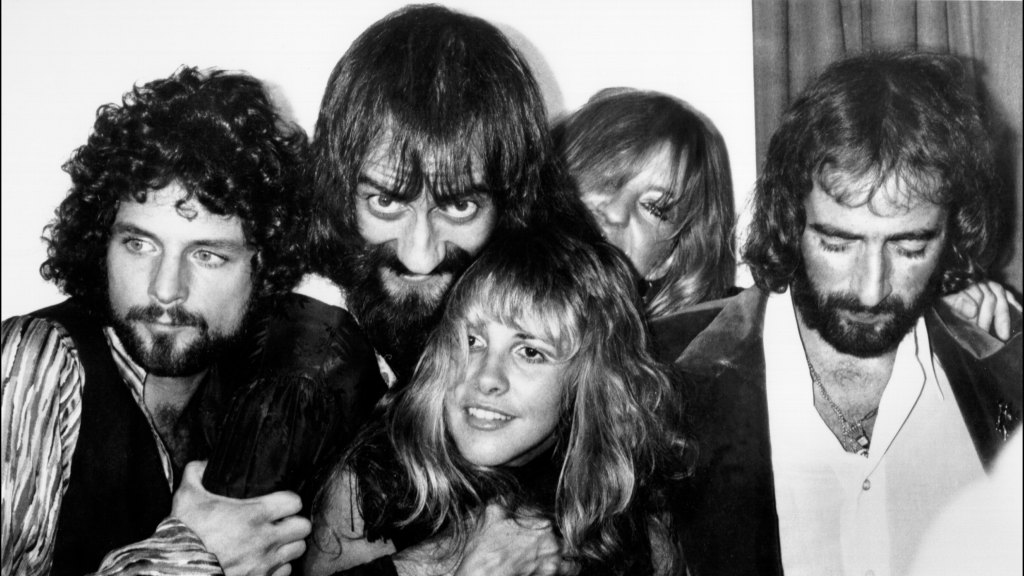
In short, yes. When talking about the making of this album, it’s hard to ignore all the famous sex, drugs and rock’n’roll-type stories surrounding it. “Rumours is considered something of a poster child for the cocaine decade, and there’s no denying the presence and impact of the white powder on the recording sessions,” Light writes. “The members of Fleetwood Mac, though, maintain that their drug use was manageable during the making of the album—that it wasn’t until the aftermath of the record’s world-conquering success that things got out of control.”
A pivotal song from the Rumours era didn’t make the album

Out of their entire song catalog, ‘Silver Springs’ has one of the most interesting backstories in the Fleetwood Mac universe. It’s well-known that Stevie wrote it during the Rumours era as a breakup song for Lindsey, but it didn’t make the cut for the final album. According to Light, this was mainly because the track itself was too long. “Even after its initial eight-minute running time was edited down to four and a half minutes, it still made the album too long to retain the best sound quality for vinyl,” he writes. But luckily for fans, many years and reissues later, the song was added back to the track list.

This song’s allure can also be traced to a specific performance. In fact, the most famous—or viral—tidbit about ‘Silver Springs’ is a moment that happened decades later. In 1997, Fleetwood Mac reunited for a TV concert called The Dance, airing on MTV and VH1. But one particular moment, during ‘Silver Springs’ is seared into the fandom lore. Stevie passionately and angrily belts out every word while holding eye contact with Lindsey and the tension was still palpable. “This is it—two decades later, it’s the culmination of all the subtext on Rumours,” Light writes. “The last word from the woman who survived heartbreak and sacrifice and drug addiction and became an icon and still proudly carries her sense of rage and hurt and survival.”
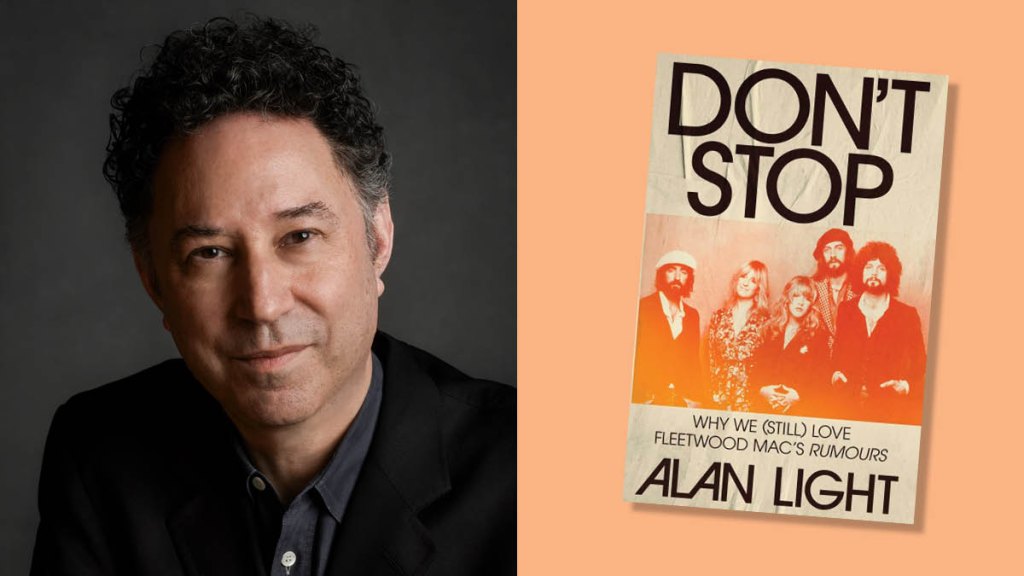
Pick up your copy of Alan Light’s Don’t Stop: Why We (Still) Love Fleetwood Mac’s Rumours—out now—here.
Conversation
All comments are subject to our Community Guidelines. Woman's World does not endorse the opinions and views shared by our readers in our comment sections. Our comments section is a place where readers can engage in healthy, productive, lively, and respectful discussions. Offensive language, hate speech, personal attacks, and/or defamatory statements are not permitted. Advertising or spam is also prohibited.