‘I Used To Be Beautiful, Now I’m a Monster’: The Tragic Secret Behind ‘Addams Family’ Star Jackie Coogan
Before becoming Uncle Fester, child star Jackie Coogan survived a dark betrayal that changed Hollywood
Key Takeaways
- Discovered by Charlie Chaplin, Jackie Coogan became the world's very first major child star.
- After his mother squandered his $4 million fortune, he inspired Hollywood's 'Coogan Law.'
- Beyond playing Uncle Fester, he was a decorated WWII glider pilot who flew hazardous missions.
For millions of television viewers, Jackie Coogan will always be remembered as Uncle Fester from The Addams Family. Yet by the time he joined the cast of the classic TV sitcom in 1964, he had already lived one of the most extraordinary—and tumultuous—lives in Hollywood history.
Born John Leslie Coogan on October 26, 1914, in Los Angeles, he was discovered as a young child by Charlie Chaplin and quickly became the biggest child star in the world. Before reaching adulthood, he had earned millions of dollars, only to discover that nearly all of it had vanished through the actions of his mother and stepfather.
And that was only part of his remarkable story. Long before audiences embraced him as Uncle Fester, Coogan had survived personal tragedy, served in World War II, been linked to one of California’s most infamous lynchings, married actress Betty Grable and, through a landmark court case against his own family, inspired legislation that continues to protect child actors to this day.
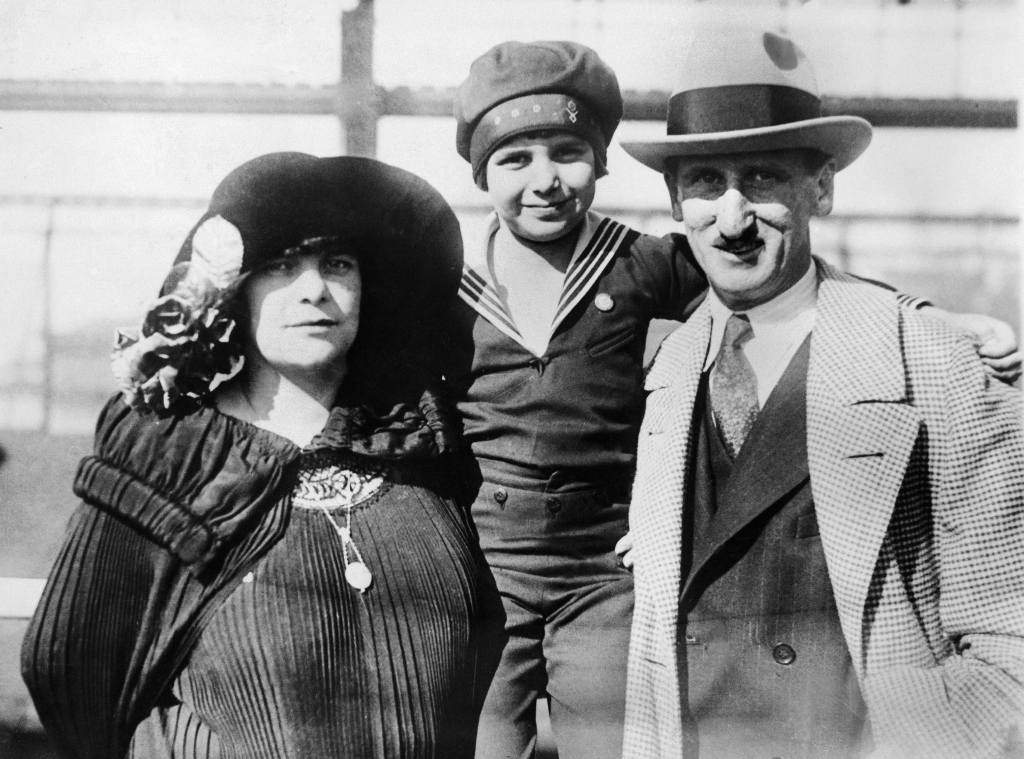
To get a sense of Jackie Coogan’s background, one can look at a profile presented on January 1, 1922, in The Tacoma Daily Ledger, which began with a discussion of his birth to Jack and Lillian Coogan.

THE TACOMA DAILY LEDGER: “Little then did that proud mother and father realize how important their pride and joy was going to be within a few years’ time. When Jackie was hardly 2 months old, the Coogan family packed their home and journeyed northward to San Francisco, where Jackie’s grandma resided. There Jackie made his home with grandmother while Mr. and Mrs. Coogan traveled eastward in vaudeville. After spending a year at grandma’s, Jackie’s parents came home and took the little fellow with them on their continuation of their vaudeville tour. Jackie was very popular among the many actors on the bills.”
“When Jackie was 16 months old, Jack Coogan was on the vaudeville stage telling one of his standard jokes when the audience laughed louder than ever before. It turned out Jackie was sitting at the back of the stage with “the same old grin that is now making him a friend of millions of people throughout the world today. To say Jackie was a ‘riot’ would be putting it mildly…. From that time on, Jack Sr. never lost an opportunity to bring the youngster before the footlights.” (public domain, 1922)
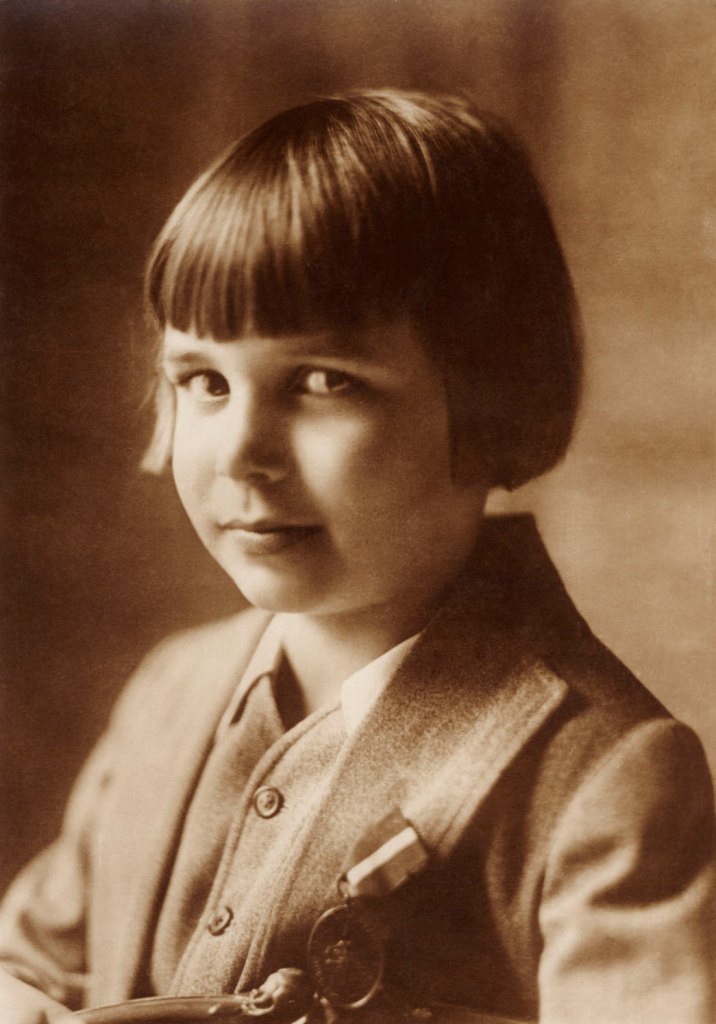
When Jackie reached the age of four-and-a-half, the act took the Coogan family over the Orpheum circuit. Jackie played an important part in the big variety offering and during the Los Angeles engagement, Charlie Chaplin and several friends attended the performance.
THE TACOMA DAILY LEDGER: “Charlie did not pay much attention to the show until he spied Jackie. Friends tell the story that Charlie sat erect, eyes glued on Jackie Coogan as he went through his work. They say he was heard to fairly speak aloud the words, ‘Marvelous!’ and ‘Wonderful!’ and ‘Where did that great boy come from?’ Several days later, Charlie met Jackie asleep in the lobby of the Alexandria Hotel in Los Angeles. When Charlie saw Jackie there, he was fast asleep with his legs cuddled under his little body and probably dreaming of toyland or Santa Claus. Charlie expressed the desire to meet Jackie. Somebody shook the little fellow. Now when the average boy is asked to shake hands with Charles Spencer Chaplin, what happens? Excitement galore throbs through his body. His blood rushes at a mile a minute through his veins. But not so with young Mr. Coogan. ‘Jackie,’ said the friend, ‘here’s Charlie Chaplin.’ Jackie arose, rubbed his eyes, put out his hand and said, ‘Pleased to meet you, Mr. Chaplin,’ and promptly climbed back into the big chair, folded his legs under him and went back to sleep. Nothing made so great a hit with the famed comic as this. From then on, Charlie Chaplin and Jackie Coogan were the best of pals.”
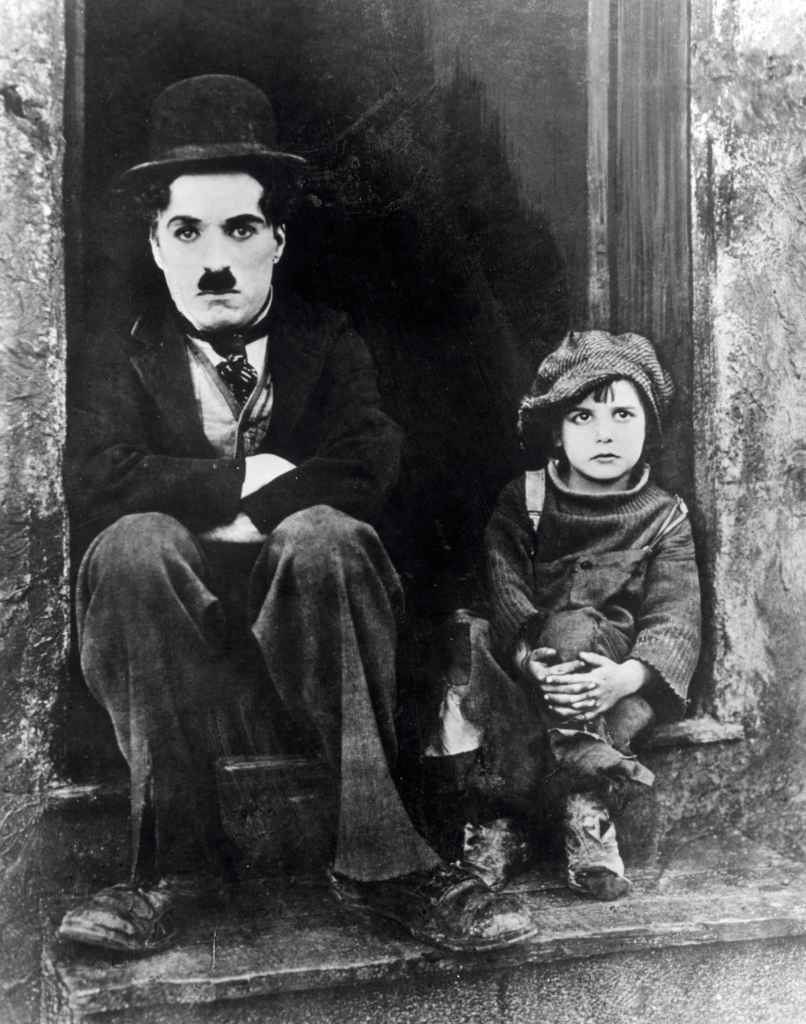
Jackie Coogan co-starred with Charlie Chaplin in The Kid
Chaplin first gave Jackie a small role in the 1919 short A Day’s Pleasure, but it was two years later that he changed the young actor’s life forever. Cast opposite Chaplin in The Kid (1921), Jackie played an abandoned boy taken in by the Tramp, a performance that transformed him into the most famous child actor in the world.
THE TACOMA DAILY LEDGER: “We all have heard of the success of that picture. It made Jackie and it brought back Charlie Chaplin as the greatest screen artist the world has ever known. Jackie starred in The Kid at the age of four-and-a-half years. When he filmed the final scene, he was nearly six years old.”
The Kid proved to be such a sensation that Jack Coogan Sr. teamed with producer Sol Lesser to form Jackie Coogan Productions, giving the young star the rare distinction of headlining films produced specifically for him and soon everybody knew the name, Jackie Coogan.

THE TACOMA DAILY LEDGER: “He is the best-known child in the world and can rank himself right on the uppermost rung of filmdom’s long and narrow ladder of fame,” explained The Tacoma Daily Ledger. “His fan letter list is as great as that of Charlie Chaplin himself. He has been photographed with more famous people than any other film star, and his earnings from his picture contracts will net him an amount that will make him absolutely independent for the rest of his life before he reaches the age of ten. It is rumored that his profits on his present contract will total the million-dollar mark this year alone.”
Jackie’s popularity continued to soar when he assumed the title role in the 1922 silent adaptation of Charles Dickens’ Oliver Twist.
THE STATE: “The presence of Jackie Coogan in any picture assures the presence of a multitude of youngsters in any theater where the gifted boy appears.”
Like so many silent films, Oliver Twist was long believed to be lost. Then, in 1973, a print surfaced in Yugoslavia. Although it no longer contained its original English intertitles, Blackhawk Films, with the assistance of Jackie Cooper and producer Sol Lesser, recreated them, allowing the film to be preserved for future generations.
As early as 1923, there were concerns about Jackie Coogan’s finances
As Jackie’s popularity continued to soar, so did his fortune. A February 28, 1923, story in The Cumberland Argus examined not only the enormous sums he was earning from his films, but the growing stream of income generated by merchandise bearing his name and likeness. Looking back, the article now seems remarkably prophetic.
WALTER ANTHONY (writer, The Cumberland Argus): “There is an opinion among certain dubious persons, more eager to believe ill than good, that there will be precious little left when the period of Jackie’s precocious earning power has passed. Recently these questions were given emphatic answer in a petition filed and granted in the superior court by Mrs. Jack Coogan to be appointed the legal guardian of her child, Jack Coogan Jr. The petition was also signed by the boy’s devoted dad. Why, it may be asked, should parents seek to secure the legal guardianship of their own child?” (public domain, 1922)
At the time, parents were legally entitled to every dollar earned by their minor children and could spend those earnings however they wished. By petitioning the court to be named Jackie’s legal guardians, the Coogans appeared to be taking an extra step to protect his growing fortune by placing expenditures under judicial oversight. According to the newspaper, half of every dollar Jackie earned was deposited into a trust fund in his name, while the remainder was invested in real estate and other ventures intended to secure his future.
In 1924, Jackie used his worldwide fame for a cause far removed from Hollywood. Joining forces with the charity Near East Relief, he became the public face of what was called the “Children’s Crusade,” traveling throughout the United States and Europe to raise money, clothing and other supplies for children left destitute by war and famine. His efforts earned him recognition from government leaders in both the United States and Greece, as well as an audience with Pope Pius XI.
His mother was sued in 1928
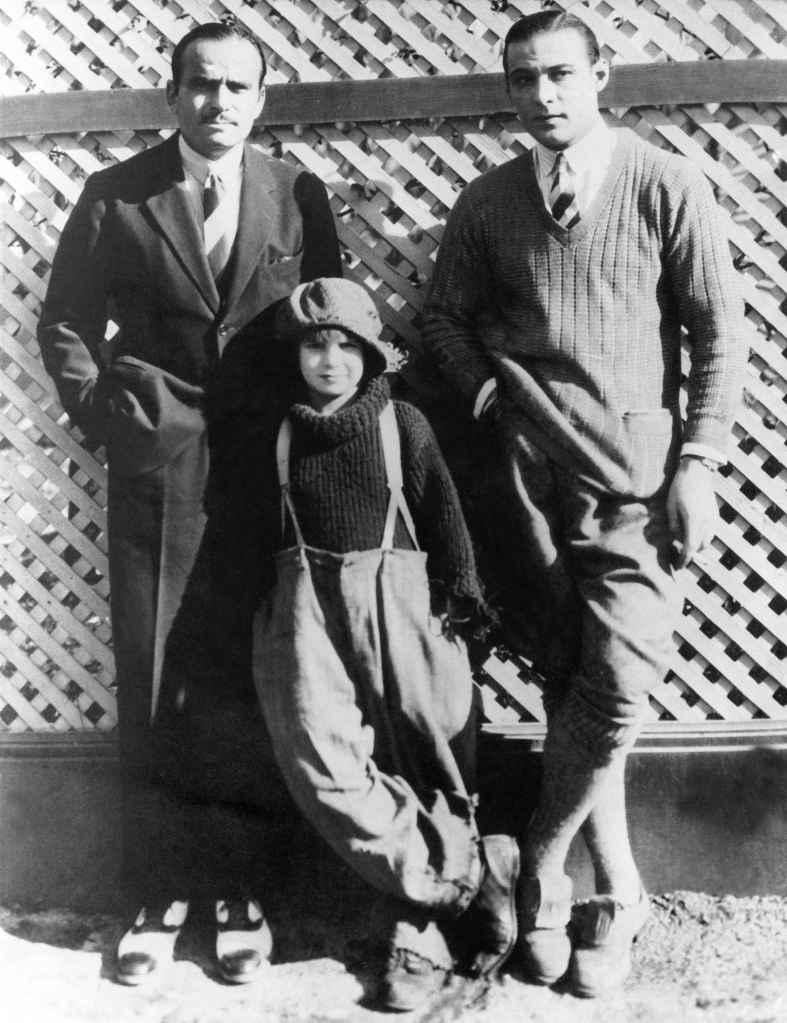
By 1928, headlines about the Coogan family were no longer limited to Jackie’s film career. That March, The Hustler reported that his mother, Lillian Coogan, had been named in a $750,000 lawsuit filed by Mildred Bernstein, who accused Lillian of alienating the affections of her husband, Arthur Bernstein, business manager of Jackie Coogan Pictures. Mrs. Bernstein was also seeking a divorce, turning the private lives of those around Hollywood’s biggest child star into public spectacle.
As to his career, after starring in 11 silent films between 1923 and 1927, Jackie stepped away from the screen for several years as he navigated the difficult transition from child star to young adult. He returned in 1930 with his first talking picture, taking on the title role in Tom Sawyer.
THE NEWS AND OBSERVER: “After several years of retirement while taking time out to grow up, Jackie Coogan as Tom Sawyer makes his second auspicious debut on the screen, and his first in talking pictures… and it goes without saying that Jackie Coogan is the ideal Tom, the Tom Sawyer as you’ve always imagined him. Jackie makes his portrayal of Tom so real and interesting that you yourself wish you were a carefree kid again.” (1930)
He reprised the role two years later in Huckleberry Finn.
His life took a darker turn beginning in 1933
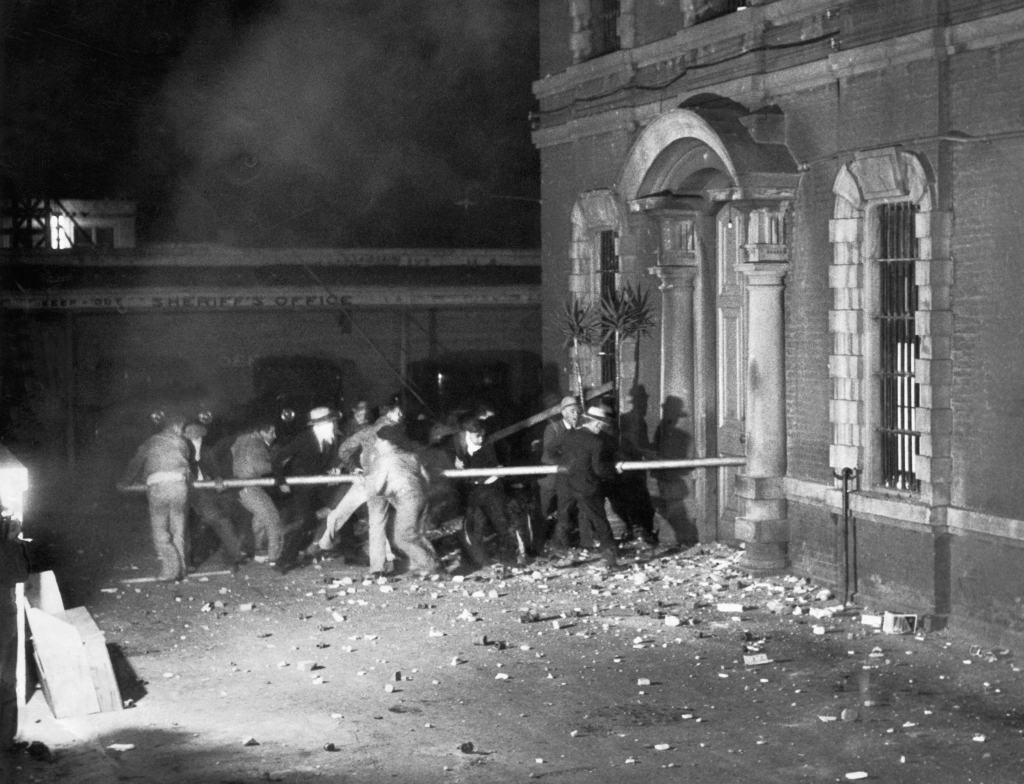
Hoping to experience something closer to a normal life, Jackie enrolled at Santa Clara University. College, however, proved to be a poor fit, and after struggling academically, he left school in 1932. A year later, he found himself connected to one of California’s most notorious crimes. His friend Brooke Hart, heir to a prominent San Jose department store, was kidnapped and murdered despite his family paying a $40,000 ransom. After suspects Thomas Thurmond and John Holmes were arrested and jailed, an enraged mob stormed the jail, dragged the pair into a nearby park and lynched them.
Contemporary reports claimed Jackie was among those in the crowd and even helped hold the rope during the lynching. The extent of his involvement has been debated ever since, but no one connected with the killings was ever prosecuted, as authorities declined to pursue charges against the mob.
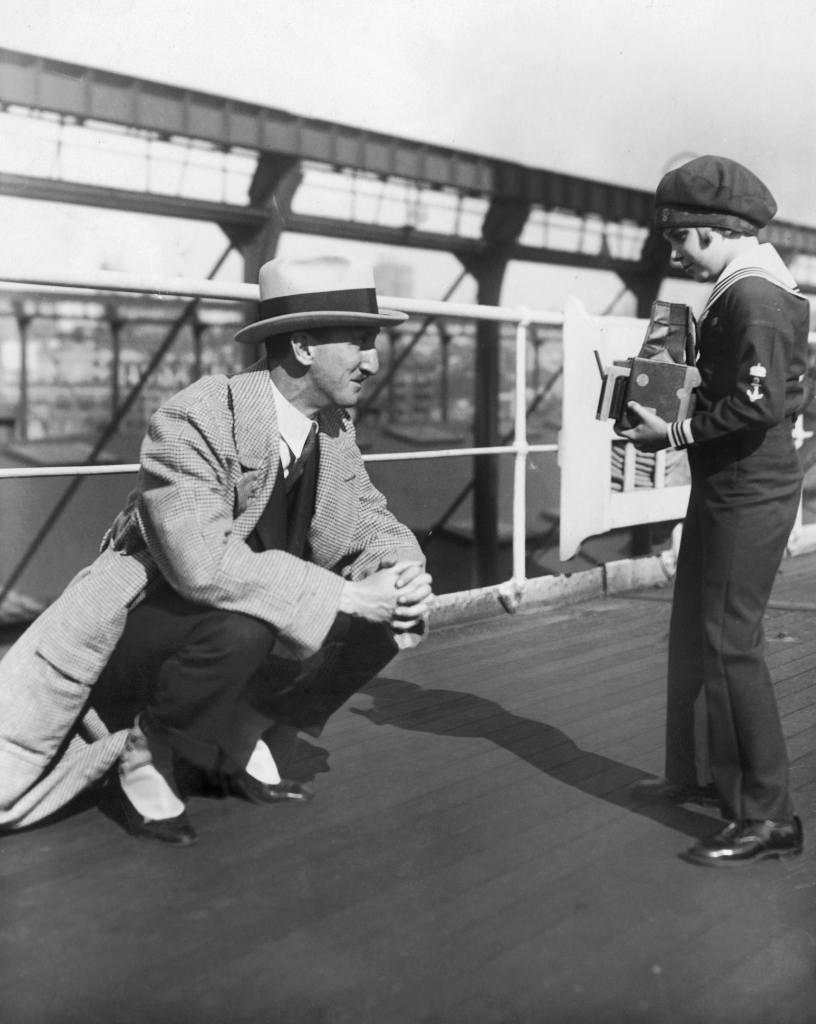
Just two years after the Brooke Hart case, Jackie faced another devastating blow. In May 1935, the 20-year-old actor survived a horrific automobile accident that claimed the lives of his father, Jack Coogan Sr.; young actor Junior Durkin; playwright Robert J. Horner and Charles Jones, foreman of the Coogan Ranch. According to the Daily Record on May 6, a passing motorist recalled Jackie saying he had been riding in the back seat when another vehicle forced their car onto the shoulder of the road.
JACKIE COOGAN: “The next thing I remember, we were going off the embankment end over end, spiraling at the same time. I was knocked down in the seat, but pulled myself up and leaped out.”
THE OMAHA EVENING BEE-NEWS: “Jackie, stunned by shock, clambered down the embankment, dragged his father—whom he’d always called his best pal—to the roadside. Heedless of his own hurts, the youth again struggled to the rocks, brought young Durkin to his father’s side. Both still breathed. Beside the wreck lay the other two, both dead.” (1935)
The accident not only claimed his father’s life but also removed the one person Jackie would later insist had always acted in his best interests.
Back on October 25, 1927, The Sioux City Journal had confidently reported that Jackie Coogan already had approximately $1.5 million invested in Southern California real estate, with even more money available for investment.
THE SIOUX CITY JOURNAL: “The announcement of Jackie Coogan’s rise to wealth is no surprise to anyone at all familiar with his work on the screen.”
Speculating about his future, the paper added that while some believed Jackie would continue to achieve even greater success, others felt his greatest appeal would always remain tied to his childhood performances. One prediction seemed beyond question: “…if careful, he need not worry about his economic future.” History would prove otherwise.
On April 12, 1938, The Journal Times reported that Jackie had filed suit against his mother, Lillian Coogan Bernstein, and his stepfather, Arthur Bernstein, demanding an accounting of an estimated $4 million he believed had vanished. Notably absent from the lawsuit was his father, Jack Coogan Sr., who, as noted, had died three years earlier. Jackie consistently maintained that his father had always acted in his best interests. Lillian Coogan offered a very different version of events.
LILLIAN COOGAN: “He says that he has nothing and that I refused to give him any part of the estate,” she told the newspaper. “No promises were ever made to give Jackie anything. Every dollar a kid earns before he is 21 belongs to his parents.” (The Journal Times)
Jackie insisted the widely reported $1 million trust fund described in newspapers over the years had never existed. His wife at the time, actress Betty Grable, later testified that after their engagement was announced in December 1935, her mother received a telephone call from Lillian Coogan. “If Betty thinks she is marrying a rich boy,” Lillian reportedly said, “she is very much mistaken. He hasn’t a cent. Jackie is a pauper.”
BETTY GRABLE: “If Jack had no money, that made no difference to me. Jackie and I were in love and money didn’t—and doesn’t—mean a thing. It didn’t make me give Jack up and it never will.” (1938)
As the case moved forward, the courts froze the Bernstein assets while hearings continued. On May 2, 1938, the Leader-Tribune reported that Superior Court Judge Emmet H. Wilson had appointed a receiver to oversee assets estimated at only $250,000—a fraction of the fortune Jackie believed should have been there. The judge ruled that Jackie had “a legal cause of action” and allowed the accounting suit to proceed. The legal battle finally ended on March 19, 1939, when Jackie accepted a settlement of only $126,000.
While the settlement closed the case, it couldn’t undo the damage. The public reaction to Jackie’s story ultimately led California lawmakers to pass the Child Actor’s Bill, forever known as the Coogan Law. The legislation required that a portion of every child performer’s earnings be placed in a protected trust, ensuring future generations would be safeguarded from the financial exploitation Jackie endured.
Although he continued acting for the rest of his life and eventually achieved financial stability, Jackie Coogan never again reached the extraordinary heights of fame he had enjoyed as the world’s most celebrated child star.
He served in World War II
Like so many other Americans, Jackie put aside his career to serve during World War II. He enlisted in the U.S. Army on March 4, 1941, and after the attack on Pearl Harbor requested a transfer to the Army Air Forces, drawing on his experience as a civilian pilot.
According to the National Museum of the United States Air Force, he trained as a glider pilot in Lubbock, Texas, and Twentynine Palms, California, before earning his Flight Officer wings. Volunteering for hazardous duty, he joined the famed 1st Air Commando Group under Col. Philip Cochran.
In December 1943, the unit deployed to India in preparation for one of the war’s most daring operations. Flying Waco CG-4A gliders, Jackie helped transport British troops commanded by Gen. Orde Wingate behind Japanese lines during the airborne invasion of Burma in March 1944. He returned to the United States in May 1944 and was discharged from military service that December.
Despite the personal and financial upheaval he endured during the 1930s, Jackie never gave up acting. During the latter half of the decade, he appeared in films including Home on the Range (1935), College Swing (1938), Million Dollar Legs (1939) and Sky Patrol (1939).
His film output slowed during the 1940s, but his acting career continued. Over the next four decades, Jackie appeared in nearly 40 additional feature films, concluding with The Prey in 1984.
Television, however, became his most consistent home. In addition to dozens of guest appearances, he starred in Cowboy G-Men (1952–1953) and McKeever and the Colonel (1962–1963). Then, in 1964, came the role that would introduce him to an entirely new generation: Uncle Fester on The Addams Family.
Becoming Uncle Fester
It’s remarkable to think that Jackie played Uncle Fester for just two seasons between 1964 and 1966. More than 60 years later, however, both the character and Coogan’s delightfully eccentric performance remain among the most enduring elements of The Addams Family.
Based on Charles Addams’ cartoons for The New Yorker, the series revolved around a family whose delightfully macabre outlook on life stood in stark contrast to that of their “normal” neighbors. Led by Gomez and Morticia Addams (John Astin and Carolyn Jones), the household also included Wednesday (Lisa Loring), Pugsley (Ken Weatherwax), Grandmama (Blossom Rock), Lurch (Ted Cassidy), Thing, Cousin Itt and, of course, Uncle Fester.
Although The Addams Family has long been compared to The Munsters, the similarities were largely superficial. The Munsters were recognizable movie monsters trying to fit into suburbia, while the Addamses viewed themselves as perfectly ordinary and everyone else as a little peculiar. As for Uncle Fester, even Jackie wasn’t quite sure how to describe him.

JACKIE COOGAN: “Fester has a lot going for him. He’s 120 volt AC and DC and he’s great with dynamite. His only trouble is that he’s one of the great losers of our time. He would make a great spy, but he kind of stands out in a crowd. Fester appeals to youngsters because he thinks like they do. Every time he suggests, ‘Let’s shoot ’em in the back,’ the kids share his straightforward approach to the situation. Fester never talked in the Addams Family cartoons, so I raised my voice an octave and gave him a beetling look. He’s my kind of people. He’s an irascible old goat, and I can’t honestly say why everyone loves him.” (The Press Democrat, 1965)
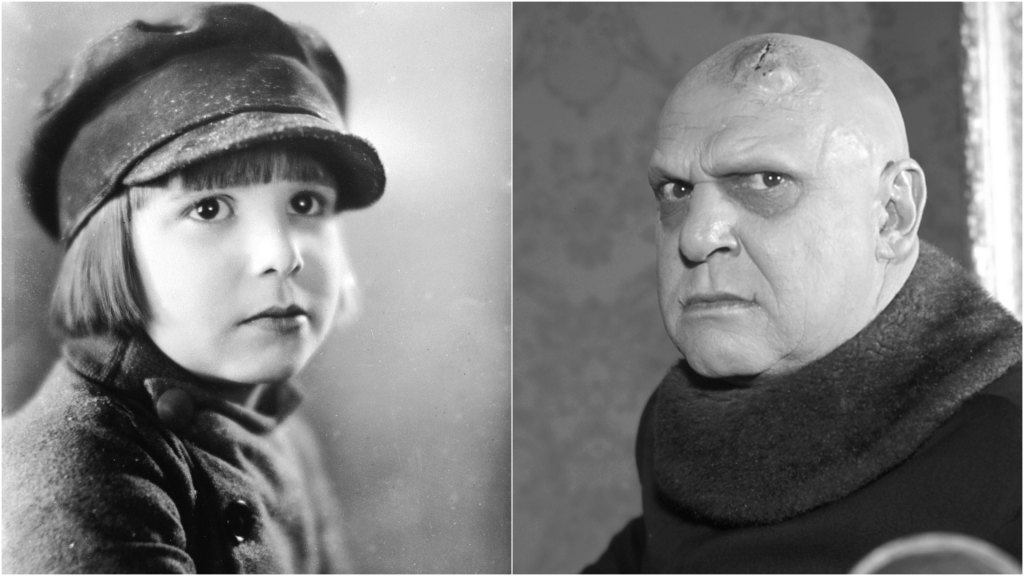
Not every memory of the role was initially a happy one. Jackie’s daughter, Leslie, later told journalist Stephen Cox that one day her father came home unexpectedly emotional. “He had been doing the part for a while, I guess, and he came home crying—sober. He said, ‘I used to be the most beautiful child in the world and now I’m a hideous monster.’ That was heavy. Something just dawned on him one day. It hit him. It really had to do with his lost childhood. Later he came to cope with the Fester character and loved doing the character and loved doing the show. Then he cherished it.”
Life after ‘The Addams Family’
Although Uncle Fester became the role most audiences associated with Jackie Coogan, it was far from the end of his career. He reprised the character in the 1972 The New Scooby-Doo Movies episode “Wednesday Is Missing” before voicing him in all 16 episodes of the animated The Addams Family the following year. In 1977, he reunited with most of the original cast for the television movie Halloween with the New Addams Family, which was intended as a backdoor pilot for a new series that ultimately never materialized.
Jackie, however, remained busy. Following The Addams Family, he appeared in 17 more feature films and continued making guest appearances on television, including a memorable turn on The Brady Bunch as a man who fakes an injury in an attempt to sue the family.
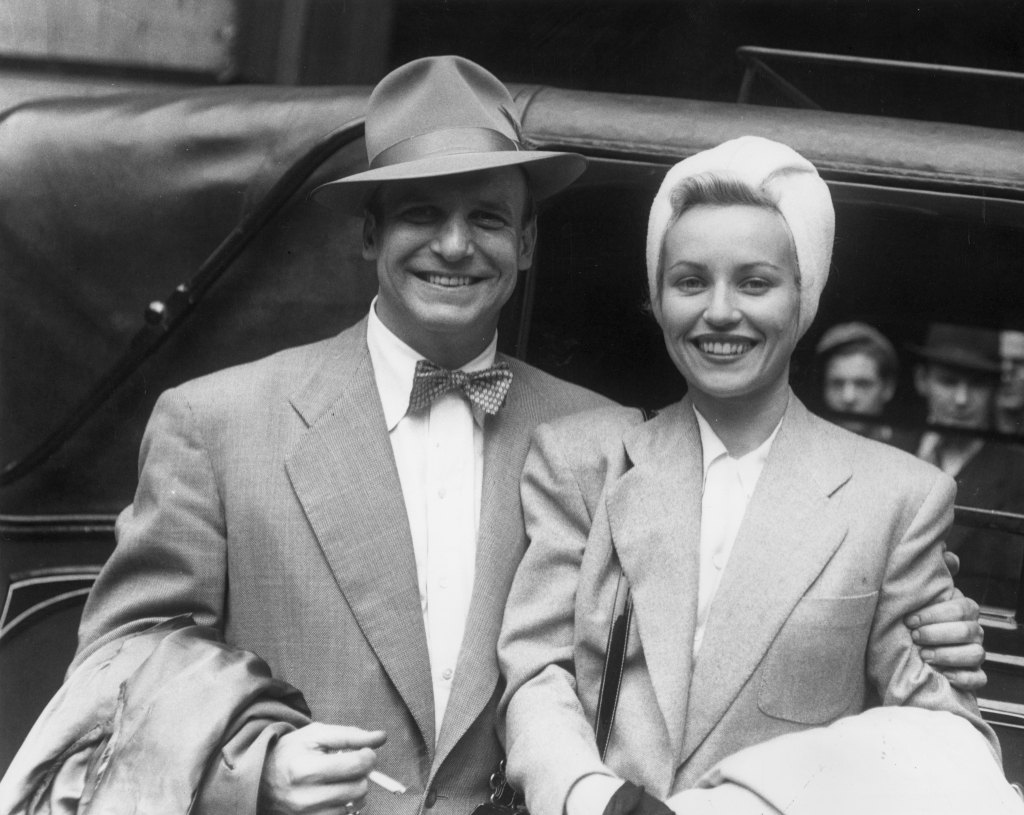
Away from the cameras, Jackie was married four times. His first three wives were actresses—Betty Grable, Flower Parry and Ann McCormack. In 1952, he married Dorothea Hanson, and the two remained together for the rest of his life.

In his later years, Jackie stepped back from the pace of regular television work but continued accepting acting roles that interested him while making appearances at nostalgia conventions. There, he found himself celebrated by fans who remembered him both as Charlie Chaplin’s young co-star in The Kid and as the unforgettable Uncle Fester.
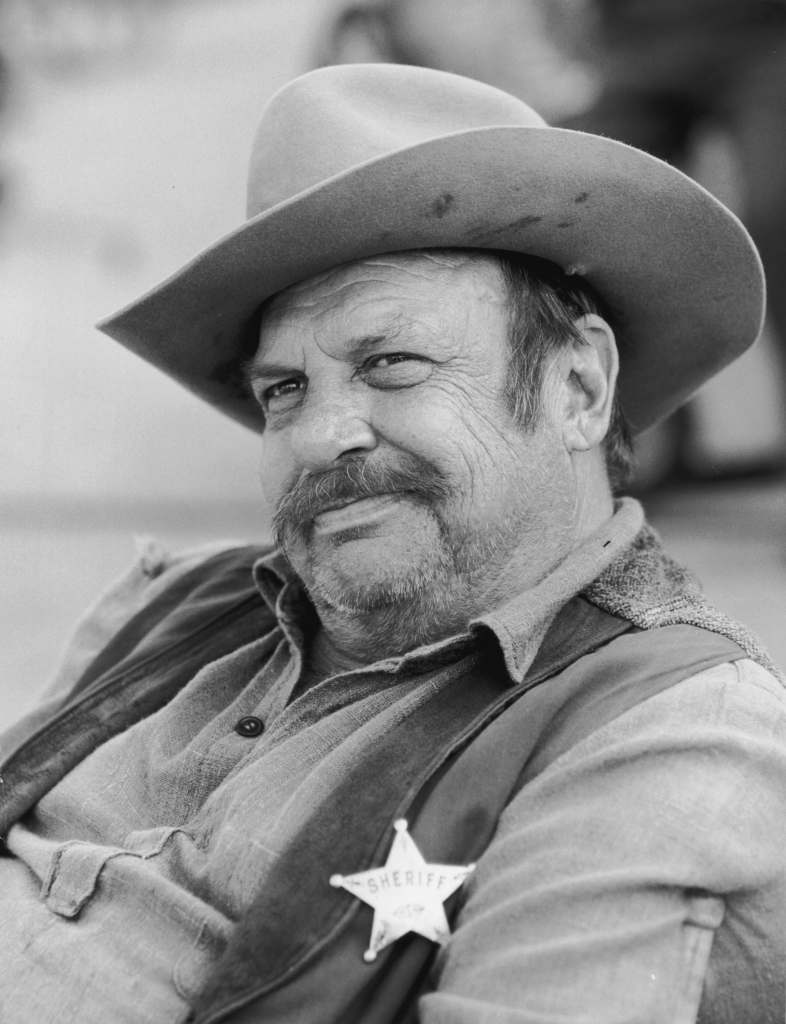
It was a fitting full-circle ending to one of Hollywood’s most remarkable careers. Jackie Coogan had been the world’s first great child movie star, survived financial betrayal, personal tragedy and military service during World War II, then successfully reinvented himself for television before becoming a living link to Hollywood’s silent era.
Jackie Coogan died of cardiac arrest on March 1, 1984, in Santa Monica, California. He was 69 years old.
Conversation
All comments are subject to our Community Guidelines. Woman's World does not endorse the opinions and views shared by our readers in our comment sections. Our comments section is a place where readers can engage in healthy, productive, lively, and respectful discussions. Offensive language, hate speech, personal attacks, and/or defamatory statements are not permitted. Advertising or spam is also prohibited.