‘Star Trek’ at 60: How a Canceled TV Show Became a Pop Culture Phenomenon That Changed Sci-Fi
From Kirk and Spock to Picard and beyond, explore six decades of boldly going where no show had gone

When Star Trek premiered on NBC, there was little indication that Gene Roddenberry’s science-fiction series would become one of the most enduring creations in popular culture; the feeling at the time was that it would likely have more in common with Irwin Allen’s Lost in Space than anything innovative. Starring William Shatner as Captain James T. Kirk, Leonard Nimoy as Mr. Spock and DeForest Kelley as Dr. Leonard “Bones” McCoy, the series struggled in the ratings throughout its three-season run, surviving due to a famous fan letter-writing campaign before finally being cancelled in 1969 after 79 episodes.
Yet cancellation proved to be the beginning rather than the end. Syndication exposed Star Trek to viewers who had missed it on NBC, frequently airing the show five nights a week and allowing audiences to become immersed in its characters and universe. College students embraced it, original paperback novels and James Blish’s episode adaptations kept it alive, and organized fandom began growing at an extraordinary rate. The first major New York Star Trek convention in 1972—which attracted thousands more fans than organizers expected—was followed by increasingly massive gatherings in New York and eventually around the country.
Devra Langsam, one of the organizers of that first convention, says of that event, “By the time we arrived ahead of the convention, we had between 800 and 900 people preregistered. We thought that was great; usually your preregistration doubled for the convention itself.”

“We thought maybe 1500 or 1600 people would show up altogether,” adds Elyse Rosenstein. “We had 2,000 badges and 2,000 program books. Apparently, as we discovered, when you advertise, you get more people. We ended up with about 3500 people showing up. Not all at once, thank goodness.”

NBC responded to the show’s unexpected afterlife with Star Trek: The Animated Series in 1973, reuniting most of the original cast and winning the franchise its first Emmy. By 1976, a decade after its debut, Star Trek had undergone an extraordinary transformation: a cancelled television show had become a genuine cultural phenomenon, and Paramount was beginning to seriously consider bringing it back. Aborted attempts to do so included Gene Roddenberry’s The God Thing, which would have culminated in a fight between Kirk and (believe it or not) Jesus Christ on the bridge of the Enterprise; and Planet of the Titans, which would have been directed by The Right Stuff’s Philip Kaufman and been a very different take on Trek.
“Whatever the requirement of sixties television were, they were really lacking in a visual quality,” muses Kaufman, “and in all those things that a feature film in science fiction needed to have. I felt that those elements were in there, if properly thought out and expanded, and could be a fantastic event. We knew what the feature films in science fiction had been prior to this: 2001: A Space Odyssey, Planet of the Apes, a few of these things that were wondrous adventures.
“Gene,” he continues, “was a great guy, but it was a little bit of the Alec Guinness syndrome in Bridge on the River Kwai. He built a bridge and he didn’t want to be rescued and he couldn’t see anything other than what he wanted it to be. I thought science fiction should go forward and I thought that the order was to go boldly where no man has gone before, but Roddenberry wanted to go back.”
1977–1986: Star Wars, the movies and the birth of a franchise
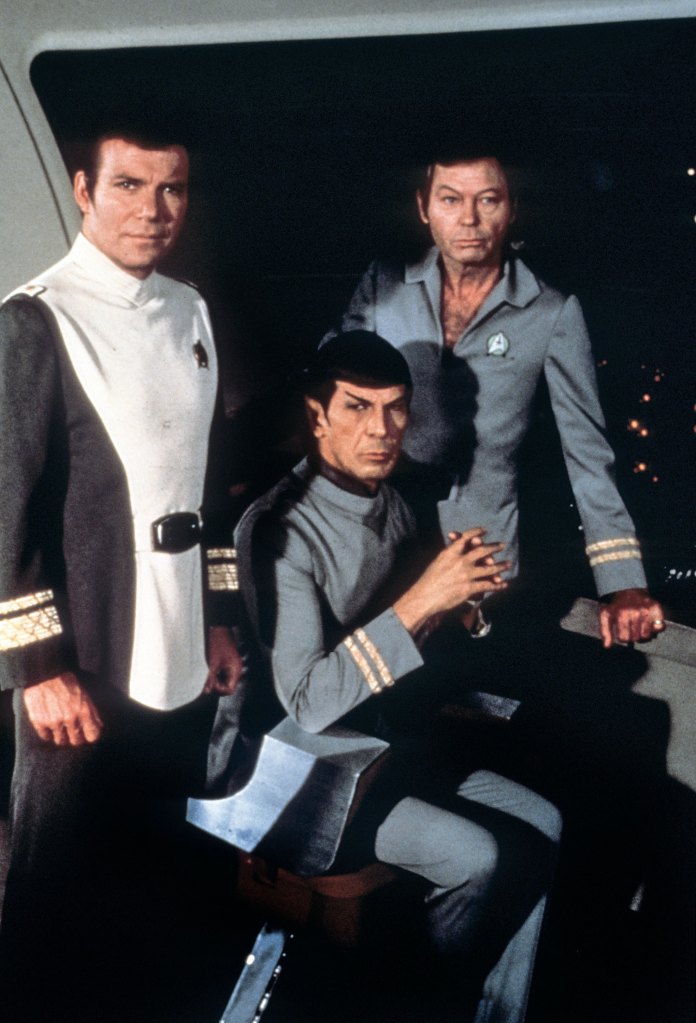
The second decade began with Star Trek poised for resurrection. Paramount initially developed a feature film, then shifted course and announced Star Trek: Phase II, a new television series that would reunite most of the Enterprise crew. Everything changed after the phenomenal success of Star Wars and Close Encounters of the Third Kind in 1977 demonstrated the enormous theatrical appetite for science fiction. Phase II was abandoned and its planned pilot evolved into 1979’s Star Trek: The Motion Picture.
“It was a strange feeling,” William Shatner admits regarding having reprised the role in the first film, “full of complex, even conflicting emotions. Ten years in my life suddenly had been swept away just as though they had never existed. I knew it was 1979, but it seemed like 1969 was just yesterday. I felt exhilarated, gratified, nostalgic. At the same time, there was a tinge of disbelief and a bit of concern. I guess each of those feelings was traceable to the fact that all of us had waited so long for this to happen. It was difficult, after so many starts over a number of years, to realize Star Trek was really back.”
Despite mixed reviews, its box-office performance proved that the audience was still there. The lower-budget Star Trek II: The Wrath of Khan followed in 1982 and revitalized the series creatively, delivering the death of Spock and establishing a story that continued through The Search for Spock in 1984. Leonard Nimoy moved behind the camera to direct that film as well as 1986’s enormously successful Star Trek IV: The Voyage Home.
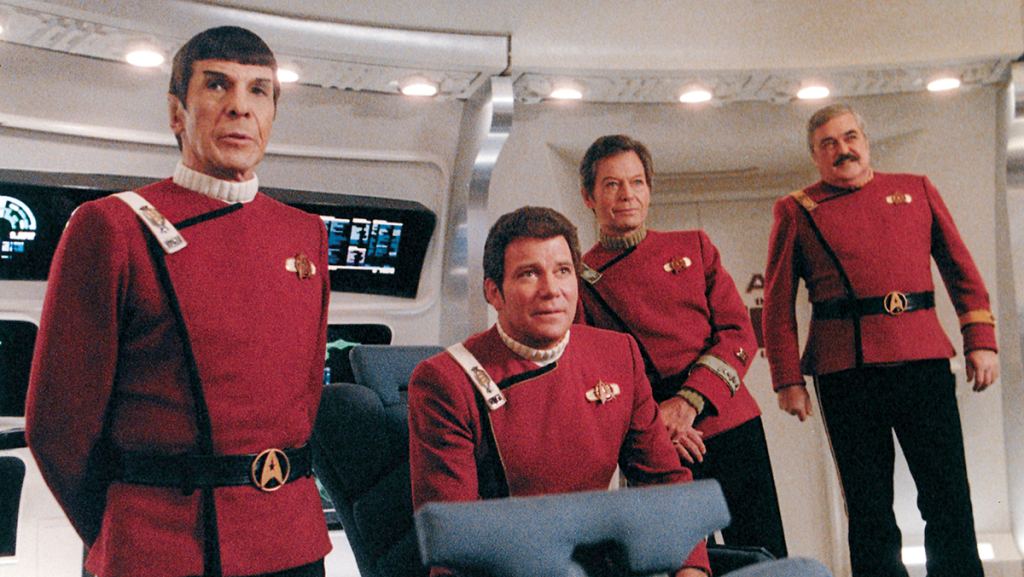
Meanwhile, the phenomenon surrounding Star Trek continued expanding through conventions, novels, merchandise, fan clubs and an increasingly organized fan culture. Twenty years after NBC premiered a television series that barely survived three seasons, Star Trek had become a reliable movie property—and Paramount was preparing to do something once considered almost unthinkable: create a new Star Trek without Kirk and Spock at its center.
1987–1996: ‘Star Trek: The Next Generation’ arrives
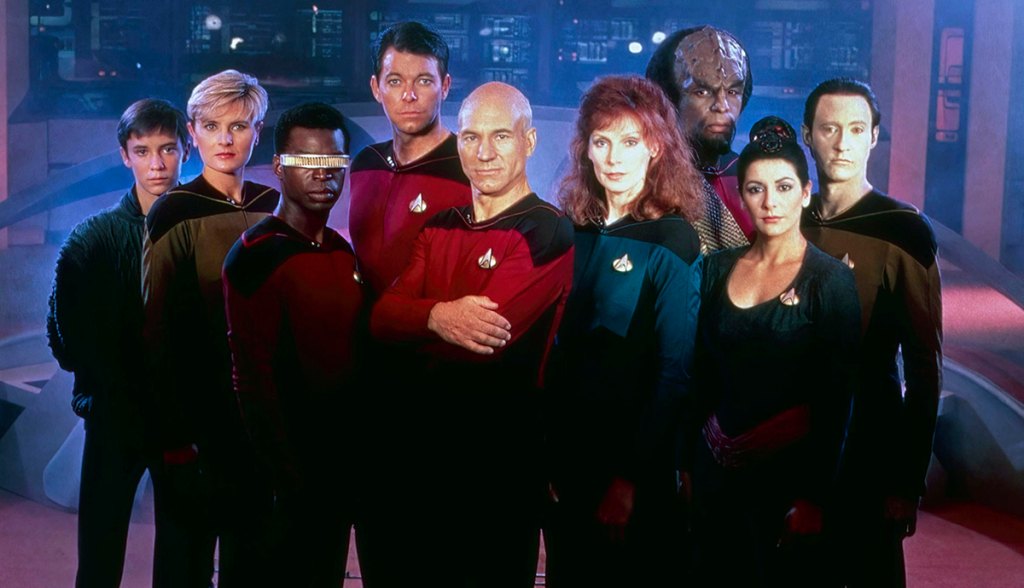
Star Trek: The Next Generation premiered in syndication in 1987 amid considerable skepticism over whether audiences would accept a new Enterprise commanded by Patrick Stewart’s Captain Jean-Luc Picard rather than Kirk. The answer ultimately transformed Star Trek. For his part, Roddenberry was extremely reluctant to create the series, though he found himself challenged to do so.
“Put yourself in my place,” he said. “You think you did it all, that you’re really basically responsible for the first Star Trek, but so many years have gone by and success has many fathers. For 22 years there had been a collection of people who have said, ‘He didn’t really do it. It was me or my brother or my friend of this or that person.’ I found myself thinking, ‘They could be right.’ The first sign of insanity is that everyone is out of step except you. The net result of all of this made me mad, very angry.
“Star Trek,” I said to myself, “may be an ego-bent dream, and the rumormongers may be right, but at least I’m going to have the courage to say, ‘F**k you’ as I go back to it. The more I considered it, the angrier I got. If someone could create Star Trek more easily, why didn’t more people do something like it in the 22 years since we did the original series?”
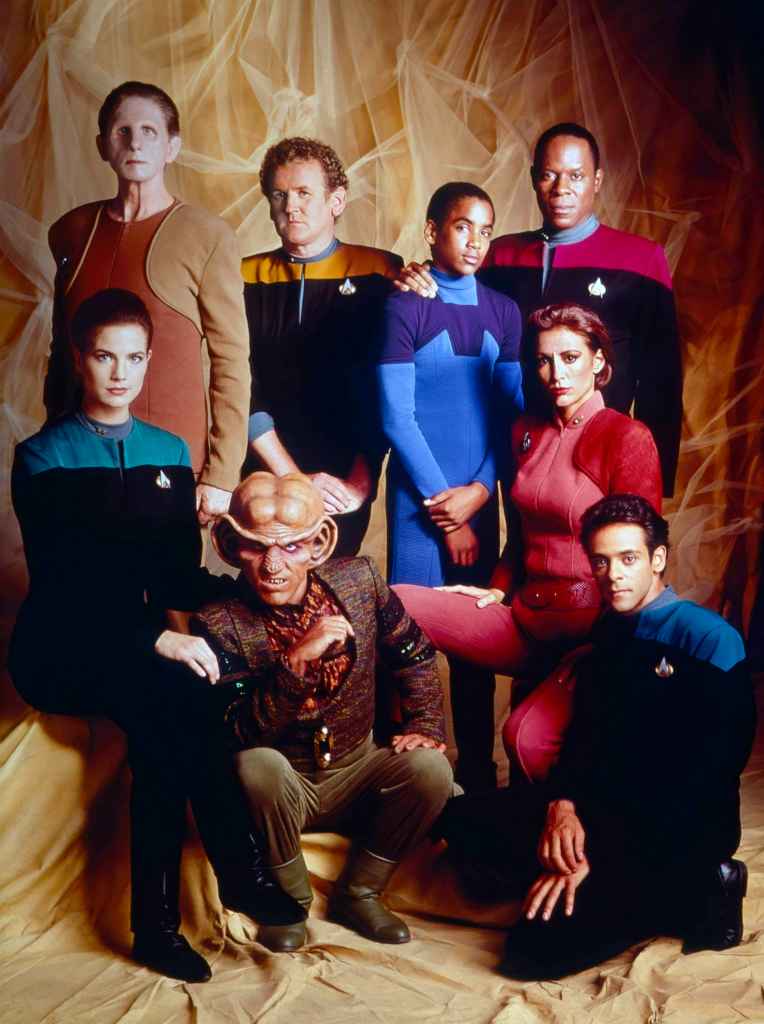
After an uneven beginning, The Next Generation developed into one of television’s most successful syndicated dramas, proving that Roddenberry’s universe was bigger than its original characters. Its success led to Star Trek: Deep Space Nine in 1993, which gradually embraced darker themes, serialized storytelling and political and religious complexity.
Star Trek: Voyager followed in 1995, introducing Kate Mulgrew’s Kathryn Janeway as the franchise’s first female captain in a starring role. At the same time, the original cast took its final bow together in 1991’s Star Trek VI: The Undiscovered Country (which had followed the unsuccessful 1989 fifth film, The Final Frontier), while the Next Generation crew moved into theaters with Generations in 1994 and the enormously popular First Contact in 1996. The year also marked Star Trek’s 30th anniversary.
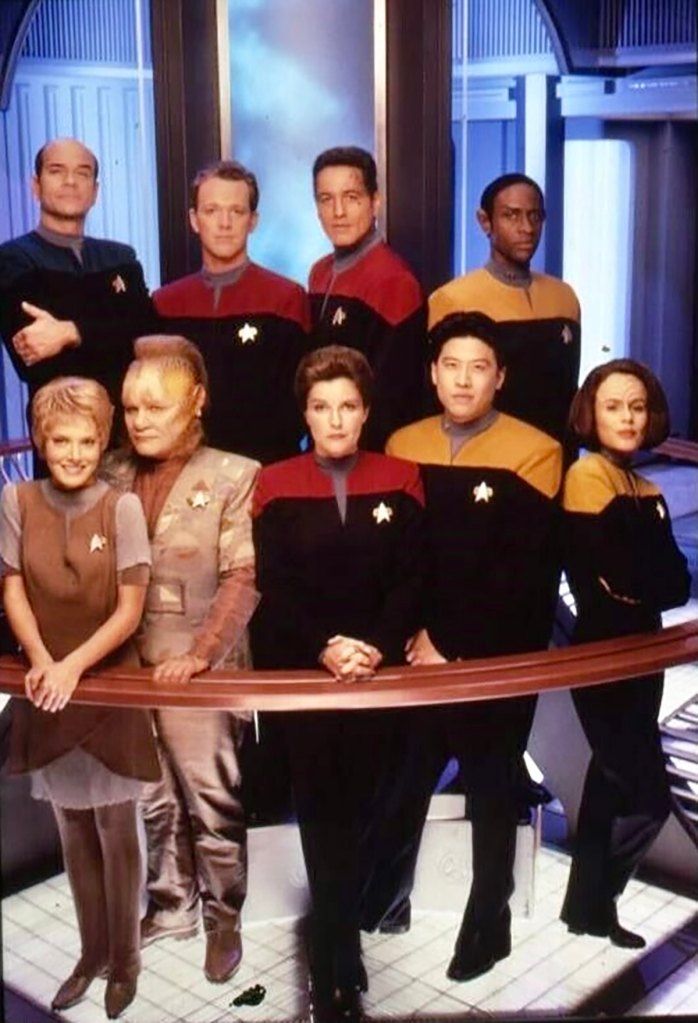
What had once been a cult phenomenon was now a television institution, with multiple series, feature films, bestselling novels, games, merchandise and conventions sustaining an enormous worldwide audience.
1997–2006: Saturation, ‘Enterprise’ and the End of an Era
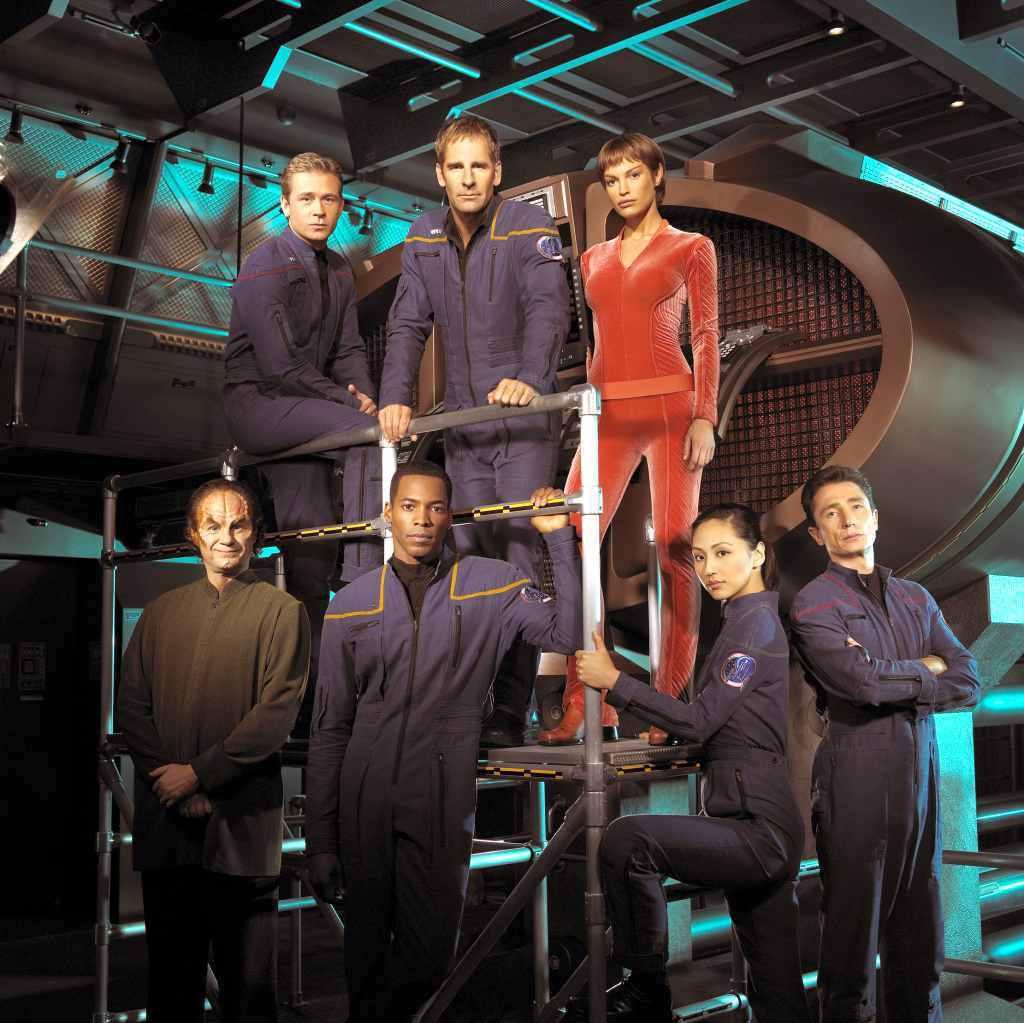
By its fourth decade, Star Trek faced a challenge that would have seemed impossible during the 1970s: there might actually be too much Star Trek. Deep Space Nine concluded its ambitious Dominion War storyline and ended in 1999, while Voyager completed its seven-season journey in 2001. That same year brought Enterprise, a prequel starring Scott Bakula as Jonathan Archer and set roughly a century before Kirk. Initially launched without Star Trek in its title, the series attempted to give the franchise a fresh start but struggled with declining ratings and franchise fatigue.
On the movie side, Star Trek: Insurrection arrived in 1998, followed by Nemesis in 2002, whose disappointing reception effectively ended the Next Generation film series. Enterprise was cancelled in 2005 after four seasons, marking the first time since 1987 that no new Star Trek television series was in production.
As the franchise celebrated its 40th anniversary in 2006, its future was uncertain. Yet history was repeating itself: just as Star Trek had seemingly ended in 1969, another period of dormancy would ultimately provide the opportunity for reinvention.
2007–2016: The Kelvin Timeline and a New Generation
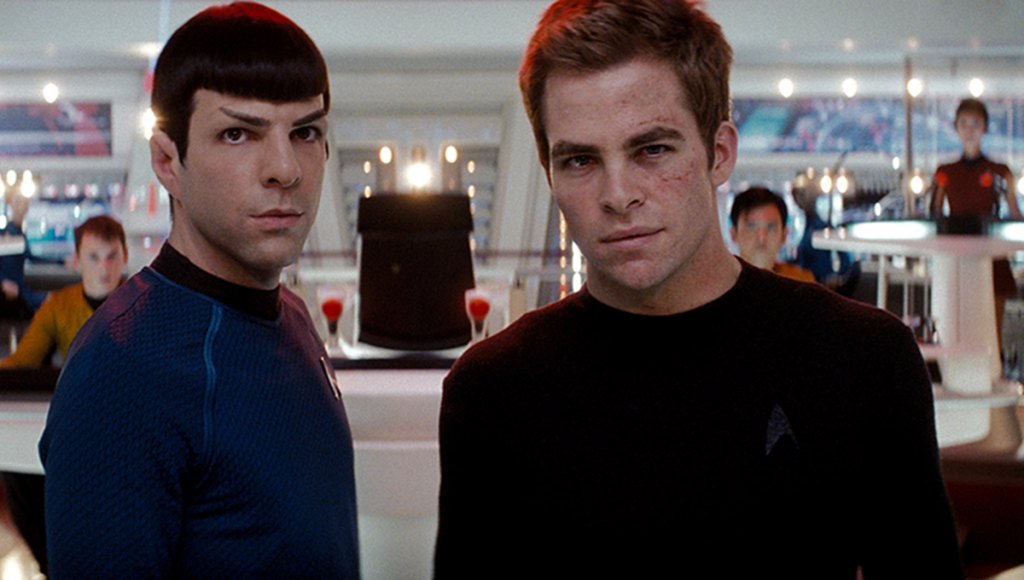
Paramount’s solution was not to continue Star Trek but to reboot it. Director J.J. Abrams’ 2009 film Star Trek recast the original characters with Chris Pine as Kirk, Zachary Quinto as Spock and Karl Urban as McCoy, using time travel—and Leonard Nimoy’s original Spock—to establish an alternate reality that eventually became known as the Kelvin Timeline. The movie was a major commercial success and introduced Star Trek to viewers who had little connection to the previous series. That, according to Abrams, was the goal.
“My whole take on it was that I needed a way in,” he says. “I was challenged by and excited about giving people who had no idea of what Star Trek was or had seen it felt a little bit like I did, that it was for them and not for me. To give them a way in. To make Kirk and Spock and the other characters as relatable and as informed or in process as possible. What I realized was that Kirk and Spock were the key, the heart of Trek. Approaching this movie, [screenwriters] Alex Kurtzman and Roberto Orci, [producers] Damon Lindelof and Bryan Burk, and I discovered that’s what we wanted to examine and explore: what Kirk and Spock were all about.”

Star Trek Into Darkness followed in 2013, controversially reworking Khan, while 2016’s Star Trek Beyond arrived during the franchise’s 50th anniversary and offered a story more closely reflecting the exploratory and humanistic spirit associated with the television series. Yet throughout this entire decade, Star Trek remained absent from television.
Behind the scenes, that was beginning to change. CBS announced a new series that would ultimately become Star Trek: Discovery, setting the stage for the franchise’s largest television expansion since the 1990s.
2017–2026: The Second Television Age and ‘Star Trek’ at 60
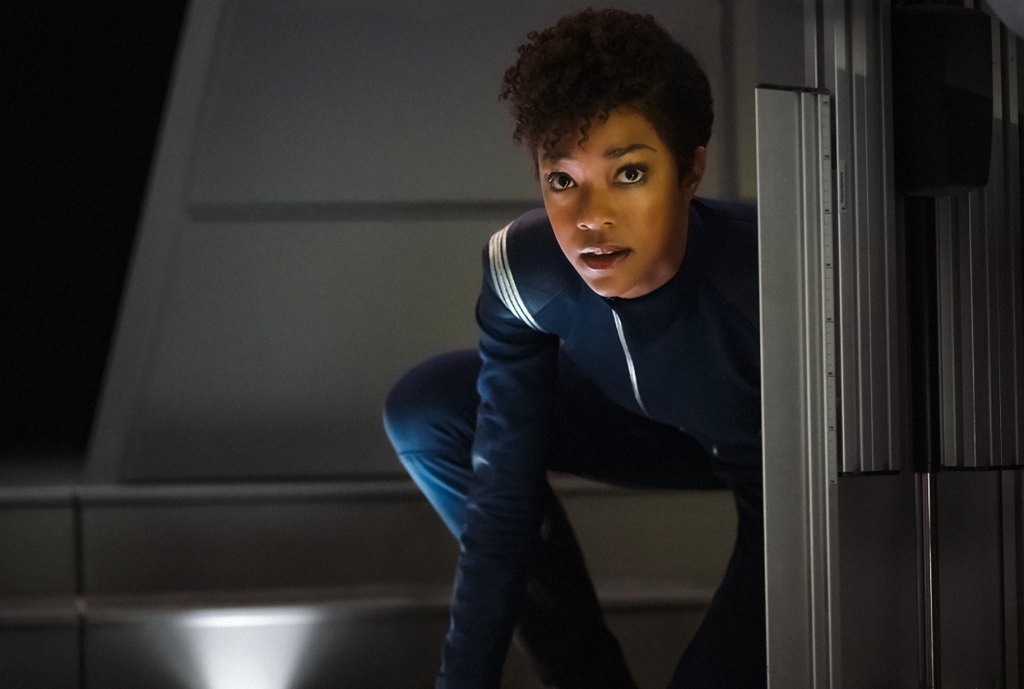
Star Trek: Discovery premiered in 2017, ending a 12-year absence from television and launching an era dramatically different from the syndicated boom of the 1990s. Rather than relying on one or two long-running shows, Star Trek expanded across streaming with series aimed at different audiences and employing different styles.
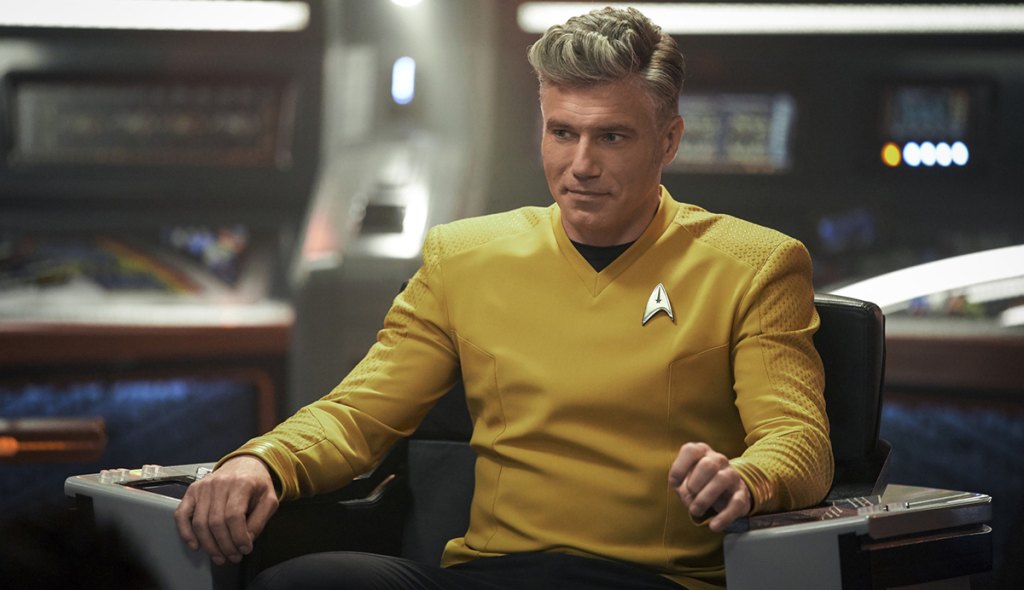
Short Treks arrived in 2018, followed by Star Trek: Picard in 2020, bringing Patrick Stewart back to the role; the animated comedy Lower Decks that same year; the children’s animated adventure Prodigy in 2021; and Strange New Worlds in 2022, with Anson Mount’s Christopher Pike commanding the Enterprise. Discovery concluded in 2024 and Lower Decks followed later that year, while the Michelle Yeoh television movie Section 31 arrived in 2025. The universe continued expanding with Starfleet Academy, while Strange New Worlds carried the Enterprise toward the era of Kirk.
Of Discovery, series star Sonequa Martin-Green, who portrayed Captain Michael Burnham, reflects to Woman’s World, “I hope that Star Trek: Discovery becomes an example of what it looks like to become. What we see with pretty much everything else in the Star Trek universe is people already being who they are—they are staple characters—but we know who they are from the beginning. What was so different with Discovery is that it was hyper-serialized. We 1,000% remembered what happened yesterday, carried it with us and we showed the fight it takes to have this utopian society. I appreciate that you see everyone falling forward and everyone becoming who they ultimately end up being.”
By September 2026, Star Trek had reached its 60th anniversary in a position almost unimaginable when NBC cancelled the original show: not merely as a television series or movie franchise, but as a mythology that has survived six decades by repeatedly changing its form while returning to essentially the same optimistic proposition—that humanity can overcome its divisions, venture into the unknown and become something better.

“Star Trek,” points out author and Trek historian Robert Greenberger, “works best when it comments on today’s issues and provides hope that mankind will not only endure but thrive. We needed that message 60 years ago and boy, do we need that today.”
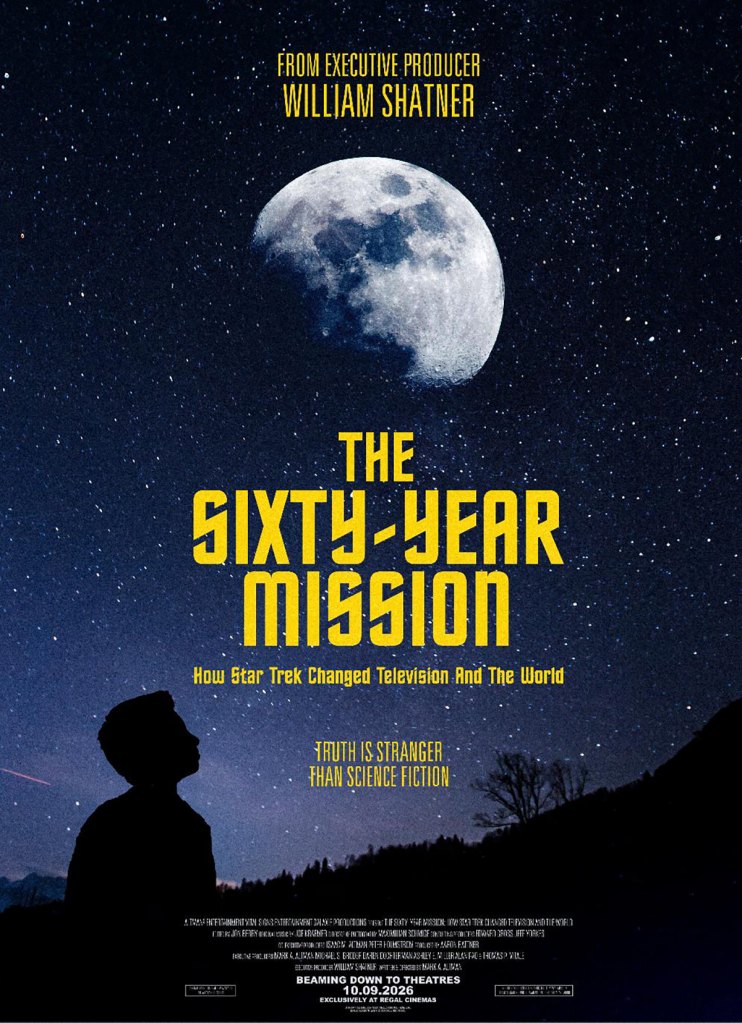
And the journey is far from over. A new feature film is being developed by Paramount Pictures while there are rumblings of yet another television revival on the horizon, and the impact of the original series is being dissected and explored in the new documentary, The Sixty-Year Mission: How Star Trek Changed Television and the World. To commemorate Star Trek Day (September 8), tickets are on sale now exclusively for Regal Cinemas, and the film itself opens on October 9 (go to Regal Cinemas or trek60.com).
“We invite fans to boldly go to Regal Cinemas this October 9th to experience the ultimate Star Trek documentary event,” says Executive Producer Michael S. Broder. “This is a chance to see the definitive chronicle of the making of Star Trek with fans and friends from across the galaxy, featuring the stars who made it an iconic and beloved franchise.”
Conversation
All comments are subject to our Community Guidelines. Woman's World does not endorse the opinions and views shared by our readers in our comment sections. Our comments section is a place where readers can engage in healthy, productive, lively, and respectful discussions. Offensive language, hate speech, personal attacks, and/or defamatory statements are not permitted. Advertising or spam is also prohibited.