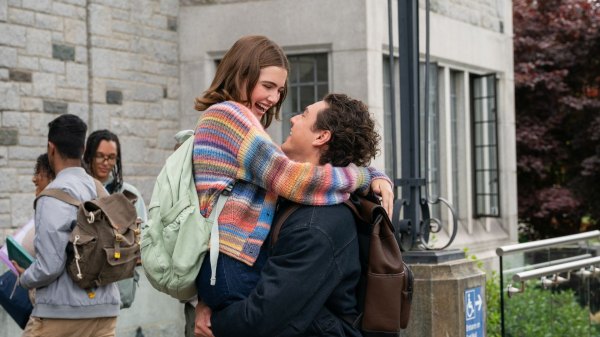
Larry McMurtry Movies and Shows: A Guide to the Western Icon’s Cinematic Universe, ‘Lonesome Dove’ to ‘Brokeback Mountain’
The writer's work has recently made a comeback—and he was one of the few people to win both a Pulitzer Prize and an Oscar!

Over the course of a prolific career that lasted more than 50 years, author Larry McMurtry earned much acclaim for his nuanced depictions of the American West. Many of the author’s most popular novels, among them The Last Picture Show, Terms of Endearment and Lonesome Dove, were adapted into classic films and TV shows, and McMurtry also wrote screenplays of his own and earned an Oscar for his soulful script for Brokeback Mountain, making him one of the few people to have won both a Pulitzer Prize and an Academy Award. He wrote two books about his experience in the film industry, Film Flam: Essays on Hollywood (1987) and Hollywood: A Third Memoir (2011).
McMurtry died of congestive heart failure at age 84 in 2021, but the late author still looms large in the literary scene, and there’s recently been a resurgence of interest in Lonesome Dove, with a new wave of readers thrilling to the 843-page Western epic, as it recently celebrated its 40th anniversary, and was praised by everyone from Stephen King to Yellowstone creator Taylor Sheridan (who wrote the foreword to the book’s anniversary edition) to young women on BookTok.
Clearly, McMurtry’s evocative and unromanticized take on Western life is having a moment, and he’s the rare writer whose screen adaptations of his work are as well-regarded as the source material. Read on for a look at the best Larry McMurtry movies and TV shows.

The first Larry McMurtry movie: ‘Hud’ (1963)
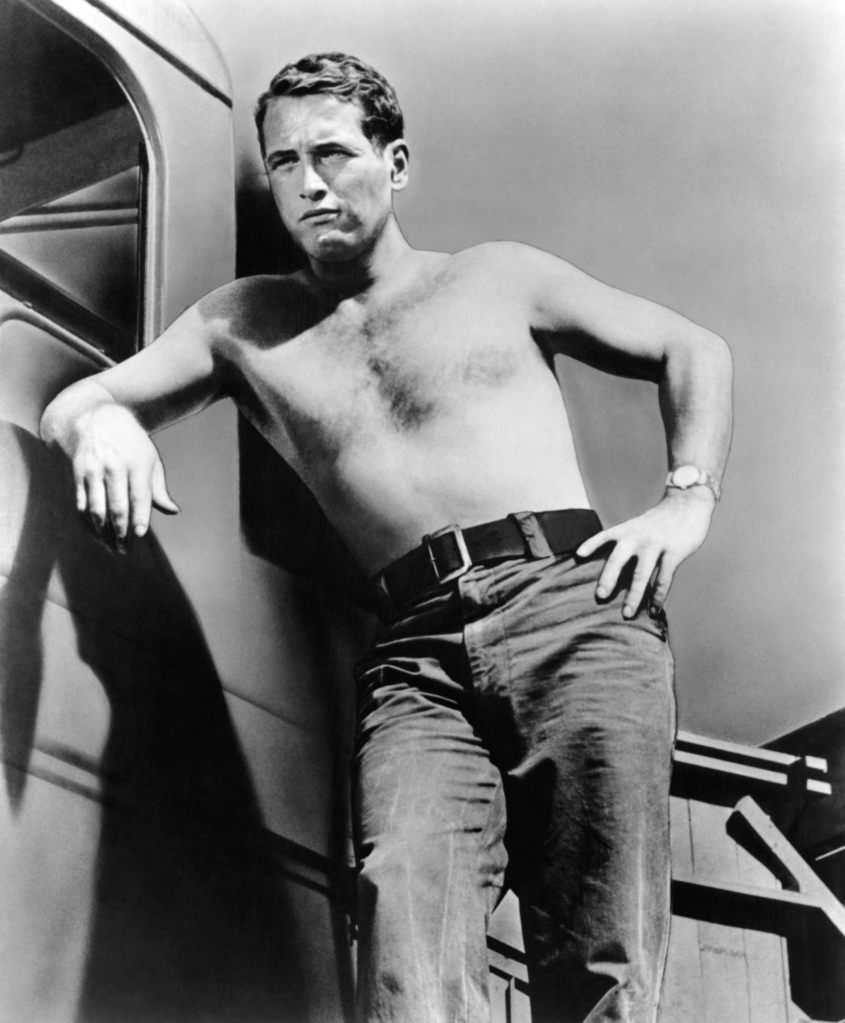
McMurtry’s cinematic body of work got off to a strong start, as the very first film adapted from his writing, Hud, starred none other than Hollywood icon Paul Newman. Hud is based on McMurtry’s 1961 debut novel Horseman, Pass By, and features Newman as the title character, a troubled man at odds with his rancher father (played by Melvyn Douglas, who won an Oscar for his role). The film, which costars Patricia Neal in an Oscar-winning role as the family’s housekeeper, was praised for its modern take on the Western and Newman’s prickly yet charismatic performance.
McMurtry recalled that Horseman, Pass By was set to become a movie “Almost before the last period [was] put on the book,” and said, “People want to play my characters. Major actors that you can get money for from a bank. You’ve got to finance it, and nobody’s come up with a better way to finance it than the star system.”
The coming-of-age story that defined a generation: ‘The Last Picture Show’ (1971)
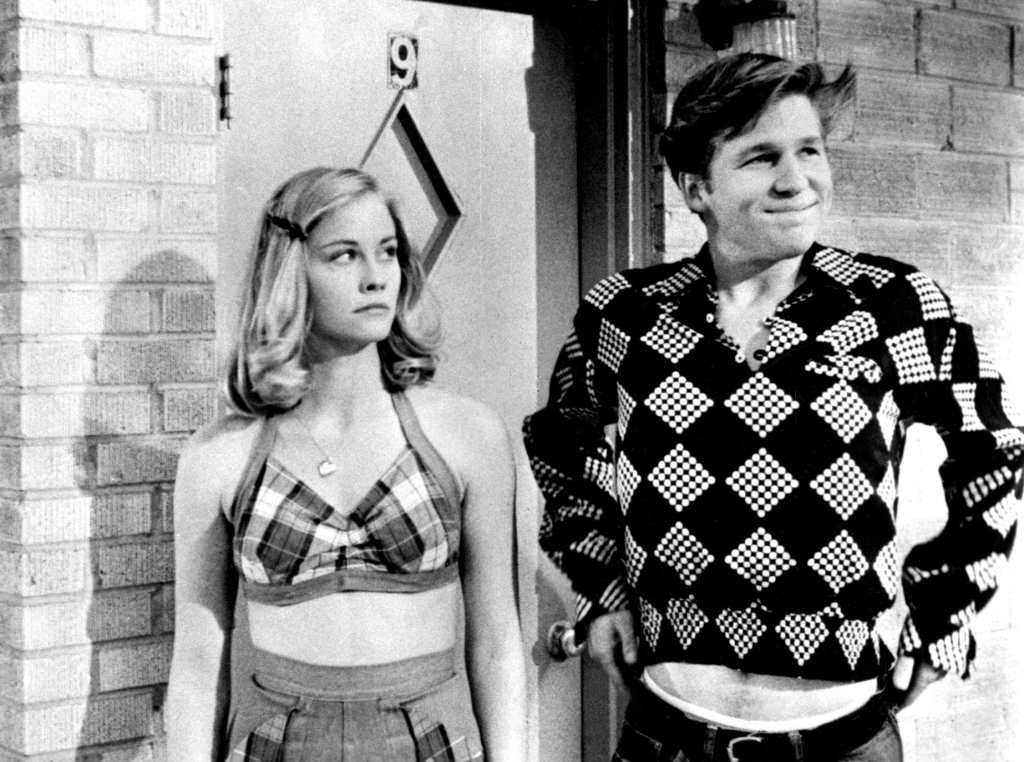
McMurtry cowrote the screenplay for The Last Picture Show, adapted from his 1966 novel of the same name, with director Peter Bogdanovich. The poignant ’50s-set coming-of-age story drew on McMurtry’s teen years in small-town Texas, and the film stars Jeff Bridges and Timothy Bottoms as high school best friends in a love triangle with a popular local girl, played by Cybill Shepherd in her debut role. The film was a hit thanks to its charismatic cast of up-and-coming stars, and its elegiacal mood and black-and-white cinematography earned rave reviews, while Ben Johnson and Cloris Leachman won Oscars for their supporting roles.
In 1987, McMurtry published Texasville, a sequel to The Last Picture Show. Bogdanovich adapted the novel into a 1990 film of the same name, with many of the original cast members reprising their roles from the 1971 film, but it wasn’t nearly as successful as the original.
The Last Picture Show gave McMurtry his first screenwriting credit, and he said that in collaborating with Bogdanovich, “For the first time I felt that a novelist might, after all, be of some use in the creation of a movie script, if only as the guardian of valid motivation.”
A lesser-known love triangle: ‘Lovin’ Molly’ (1974)
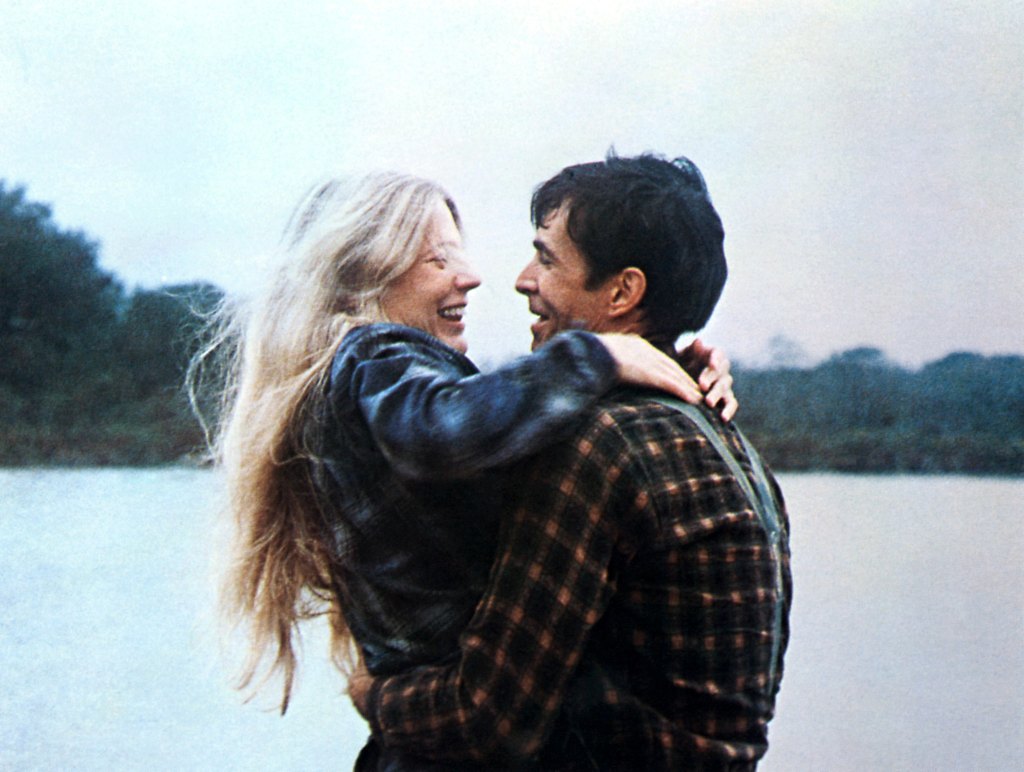
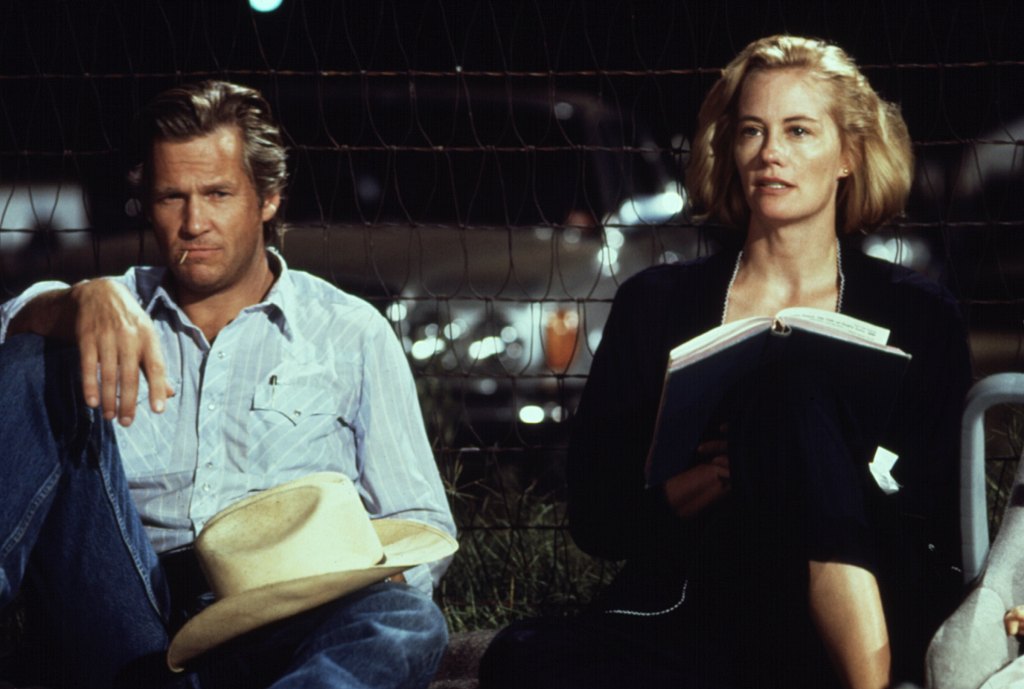
Like The Last Picture Show, Lovin’ Molly, directed by Sidney Lumet and based on McMurtry’s 1963 novel Leaving Cheyenne, also centers on a love triangle in Texas. The film, which stars Anthony Perkins, Beau Bridges and Blythe Danner, follows their complicated relationships over the course of 40 years, and is divided into sections set in 1925, 1945 and 1964, with each party in the love triangle taking a turn as the narrator.
Lovin’ Molly received mixed reviews, and McMurtry was disappointed with the adaptation and felt that it didn’t capture the spirit of his novel, writing, “Indifference to detail adds up to indifference to substance.”
The ultimate tearjerker: ‘Terms of Endearment’ (1983)
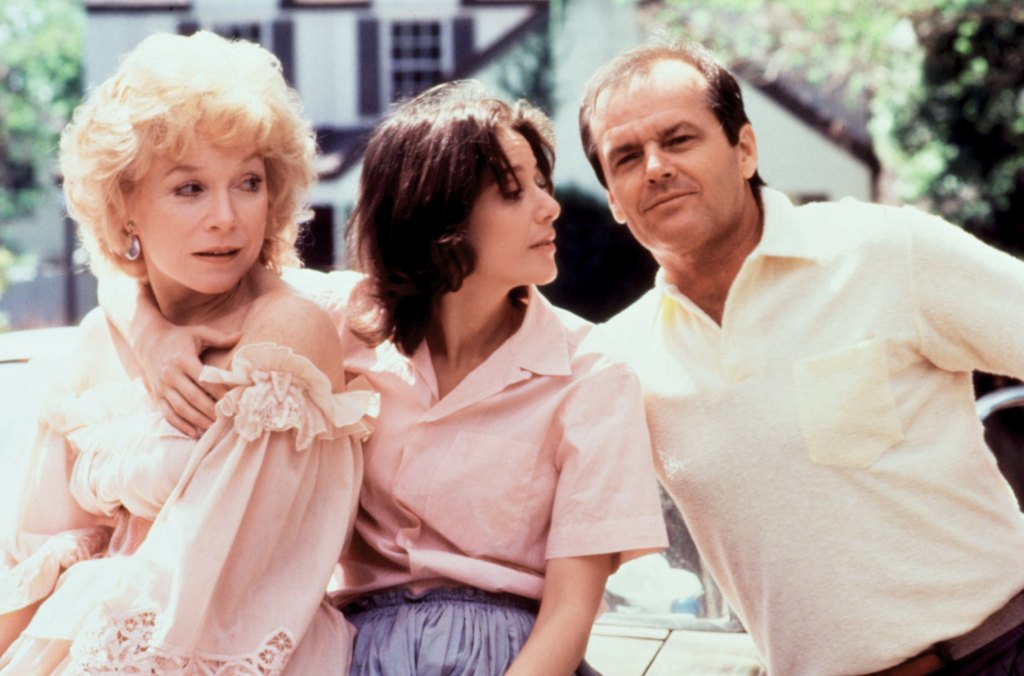
Terms of Endearment, written and directed by Mary Tyler Moore Show creator James L. Brooks and adapted from McMurtry’s 1975 novel of the same name, was one of the biggest box office successes of its day. The tearjerker centers on a mother (Shirley MacLaine) and daughter (Debra Winger) as they navigate relationship drama, family dynamics and illness over the course of 30 years, and swept the Academy Awards, winning Best Picture, Best Director, Best Adapted Screenplay, Best Actress (for MacLaine) and Best Supporting Actor (for Jack Nicholson, who played MacLaine’s love interest).
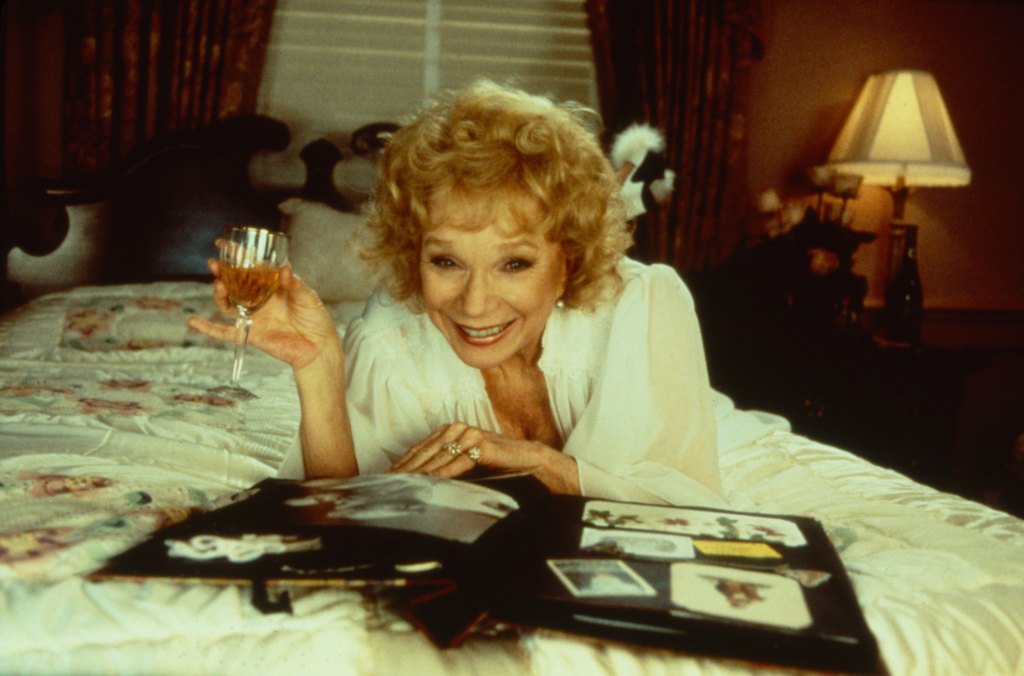
In 1992, McMurtry wrote The Evening Star, a sequel to Terms of Endearment. The Evening Star was made into a film in 1996, with MacLaine reprising her role, but it was a box office bomb.
McMurtry wasn’t involved in writing Terms of Endearment’s screenplay, and Brooks recalled that when he asked the author about adapting his work, “He said, ‘I did my book; you go do your movie.’ It felt bad, but it was freeing . . . It was the best thing he could’ve said to me.”
A Western epic with a long afterlife: ‘Lonesome Dove’ (1989)
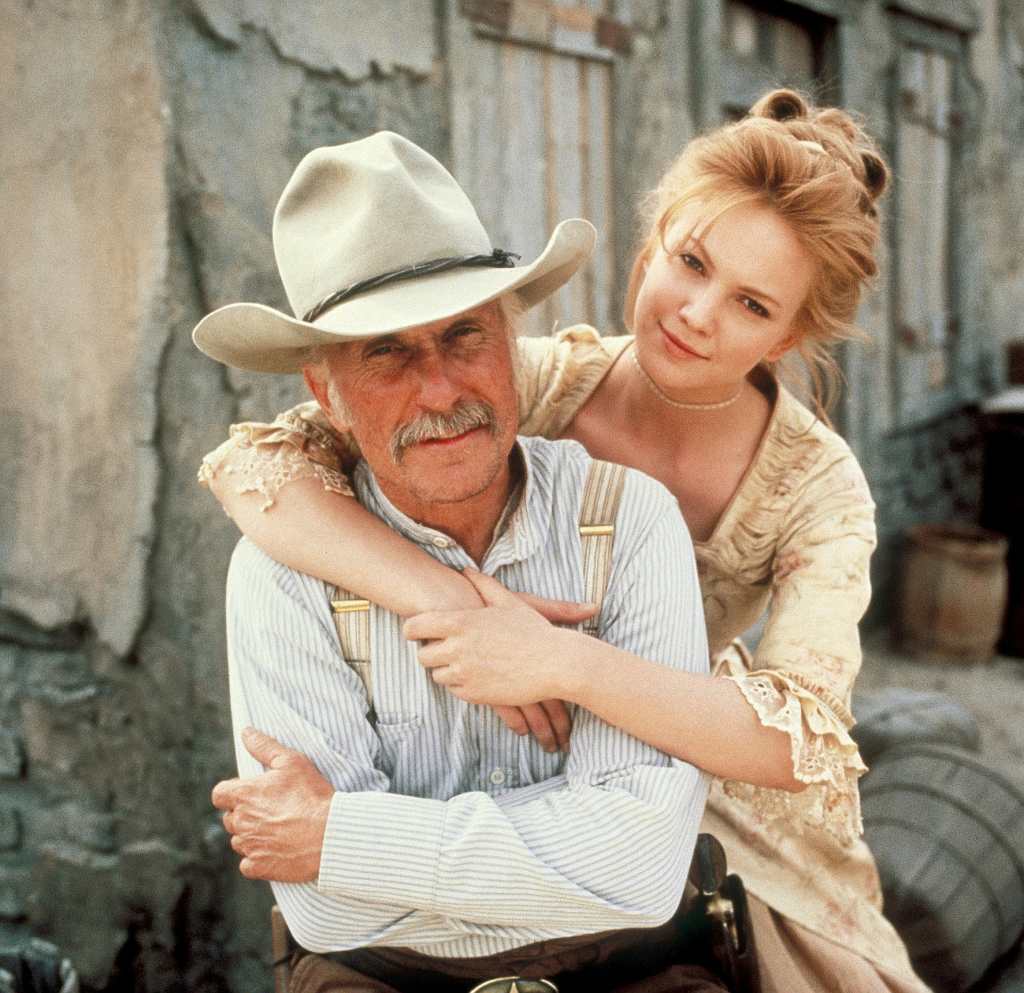
McMurtry’s 1985 novel Lonesome Dove is considered his masterpiece, and has recently picked up a new generation of fans. The miniseries adaptation of the Pulitzer Prize-winning book, starring Robert Duvall and Tommy Lee Jones as two former Texas Rangers on a cattle drive in the 19th century, drew millions of viewers and earned seven Emmy Awards. The star-studded ensemble also featured Diane Lane, Danny Glover, Anjelica Huston, Steve Buscemi, Chris Cooper and more, and the series was widely praised for capturing the epic scale of the book and reviving the Western genre.
Prior to the Western miniseries, McMurtry wrote the story for the 1988 miniseries The Murder of Mary Phagan, and Lonesome Dove kicked off a wave of TV projects set in McMurtry’s literary universe. In 1993, there was a sequel miniseries, Return to Lonesome Dove, and from 1994 to 1995, there was a sequel series that ran two seasons.
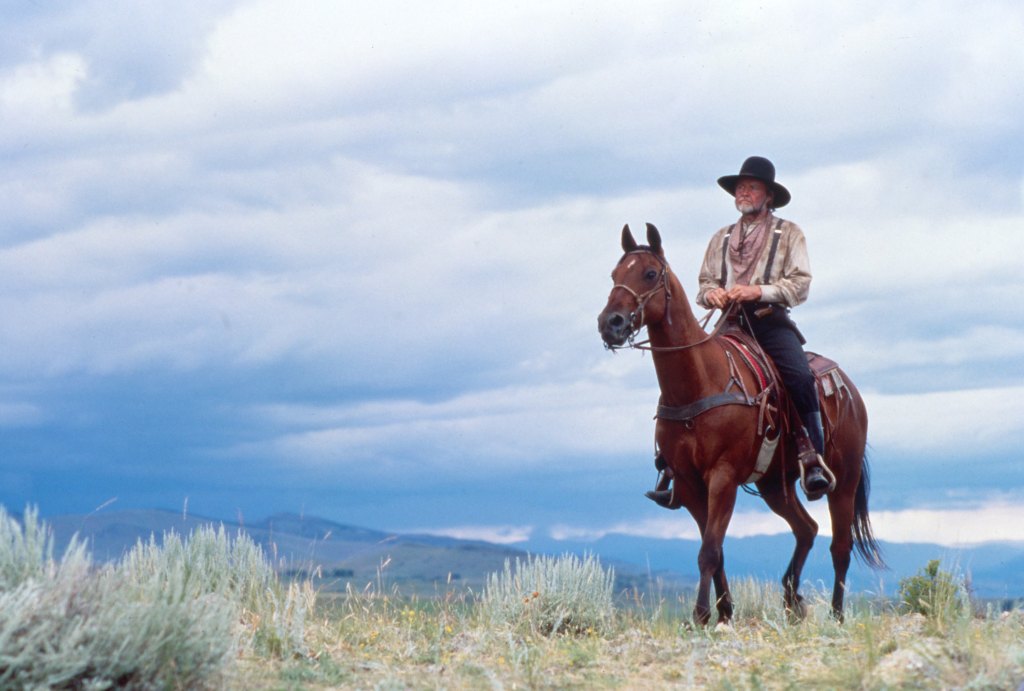
The runaway success of Lonesome Dove led to McMurtry writing the TV movies Montana (1990) and Memphis (1992), and throughout the ’90s, his novels Buffalo Girls, Streets of Laredo and Dead Man’s Walk were all adapted into miniseries.
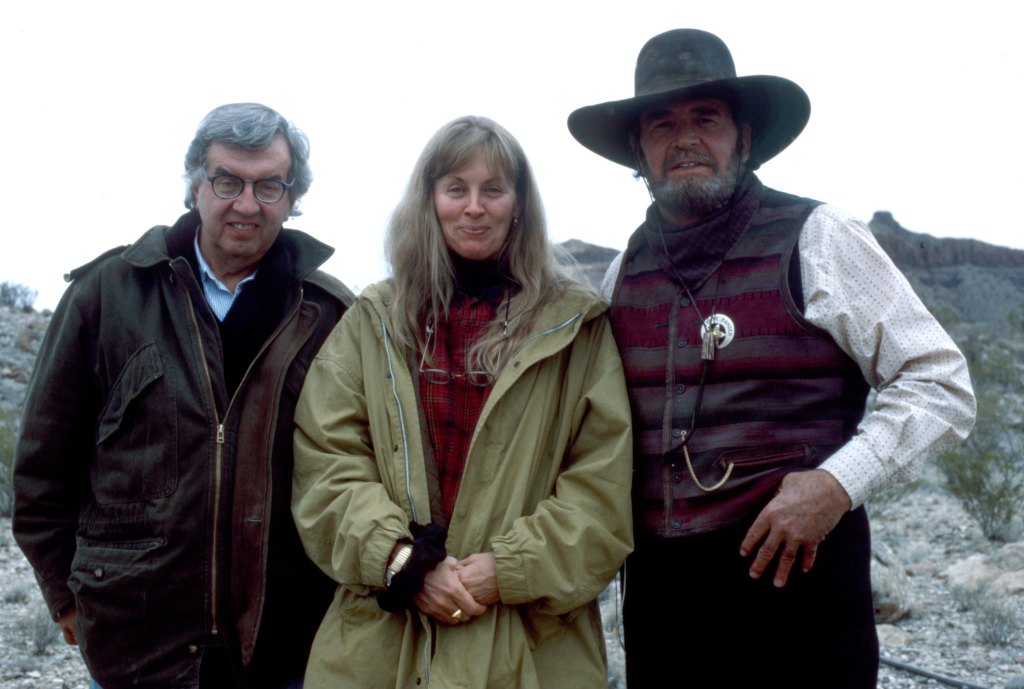
Surprisingly, McMurtry claimed he never watched the Lonesome Dove miniseries, and he spoke self-deprecatingly of the book, saying, “I don’t hate it or anything. I’ve said this many times: Lonesome Dove is the Gone With the Wind of the West, which is both good and bad.”
A forgotten collaboration with a rock star: ‘Falling From Grace’ (1992)
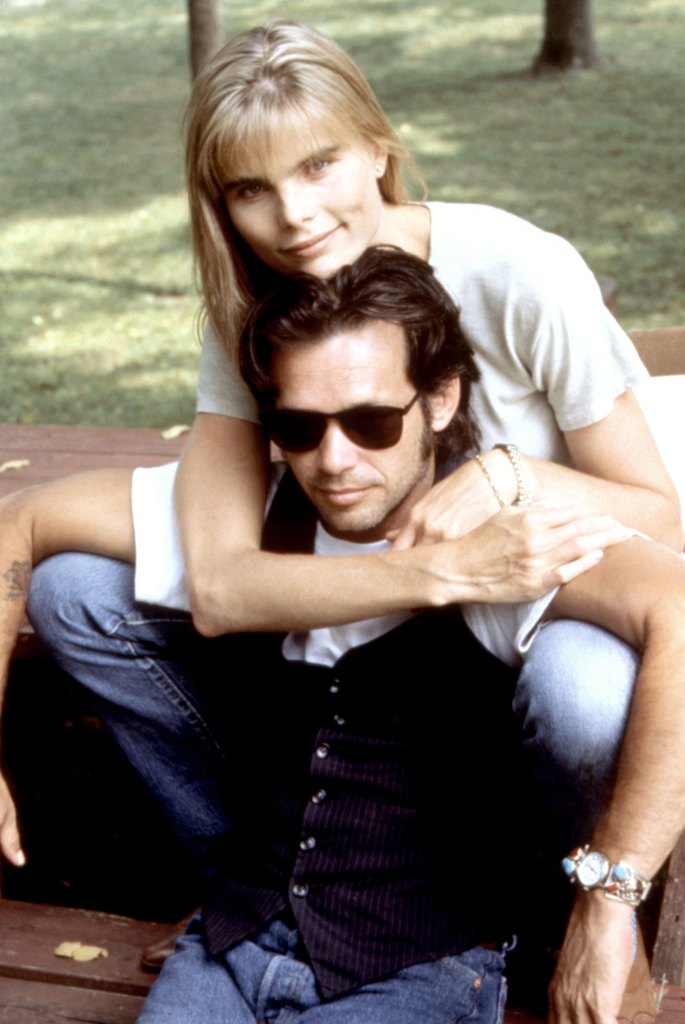
In 1992, McMurtry wrote the screenplay for Falling From Grace, a film directed by and starring “Jack & Diane” singer John Mellencamp. Mellencamp plays (what else?) a rock star who returns to his small town with his wife (Mariel Hemingway) and has an affair with his high school sweetheart (Kay Lenz). The film was a box office flop and is largely forgotten today, but Mellencamp said that he was honored to work with McMurtry and called getting to know him and learn from him “a tremendous gift” and “a time I will always treasure.”
The film that won Larry McMurtry his Oscar: ‘Brokeback Mountain’ (2005)
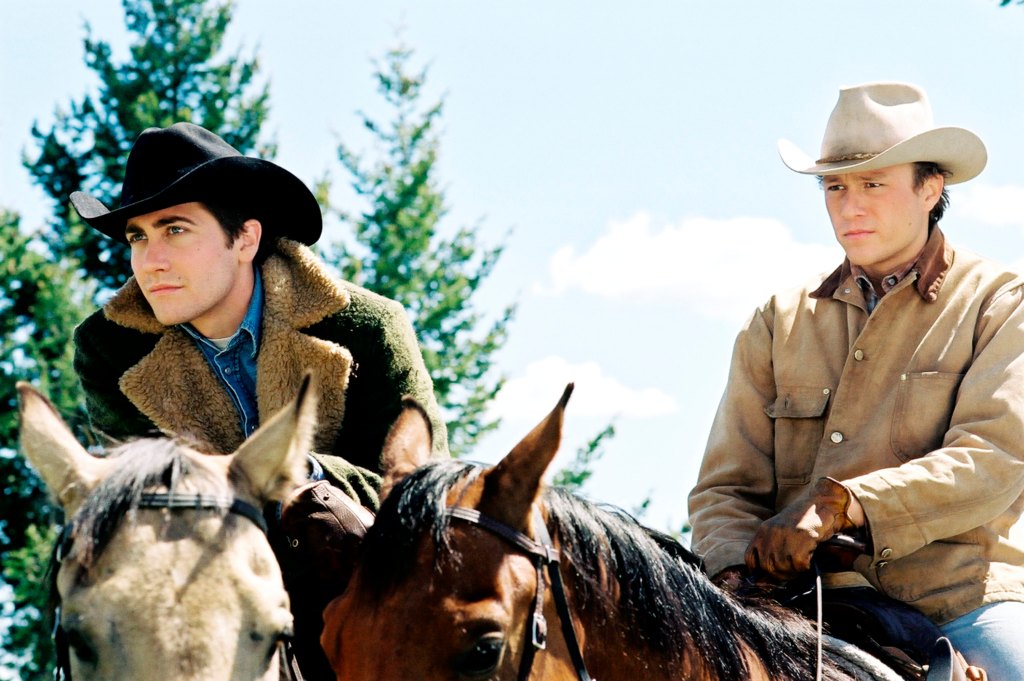
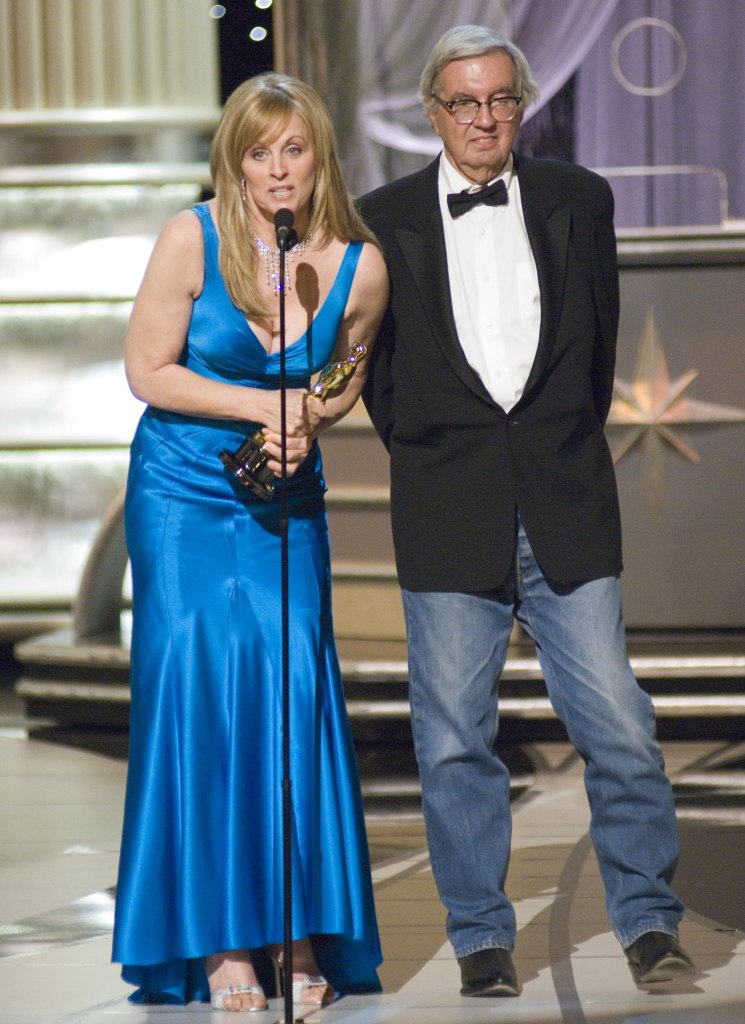
McMurtry kept busy throughout the ’00s, writing screenplays for the miniseries Johnson County War (2002) and Comanche Moon (2008). In 2005, McMurtry and his writing partner, Diana Ossana, cowrote the screenplay for Brokeback Mountain. The Western, which starred Jake Gyllenhaal and Heath Ledger as cowboys who develop a complex romantic relationship, was a critical and commercial success thanks to its powerful performances and emotional narrative.
Interestingly, while the screenplay was adapted, unlike other Larry McMurtry movies, it wasn’t drawn from one of his many books. Instead, the film came from the 1997 short story of the same name by Annie Proulx—a story Ossana read in The New Yorker and immediately knew McMurtry would love. As he later recalled, “After I was finished reading it, the first thing I thought was that I wished I had written it. It was a story that had been sitting there for years, waiting to be told, and Annie finally wrote it. It is one of the finest short stories I’ve read.”


Even though McMurtry didn’t write the short story Brokeback Mountain was based on, he responded to its critical take on cowboy culture—a major theme in his own work. The film was trailblazing for the nuanced way in which it portrayed gay themes, and the author believed the story had a universal appeal, saying its main message was “You need strength; love is not easy. It’s not easy if you find [it], it’s not easy if you don’t find it. It’s not easy if you find it but it doesn’t work out. It merely says the strong survive, but not everybody is strong.”
Larry McMurtry’s final film: ‘Joe Bell’ (2020)
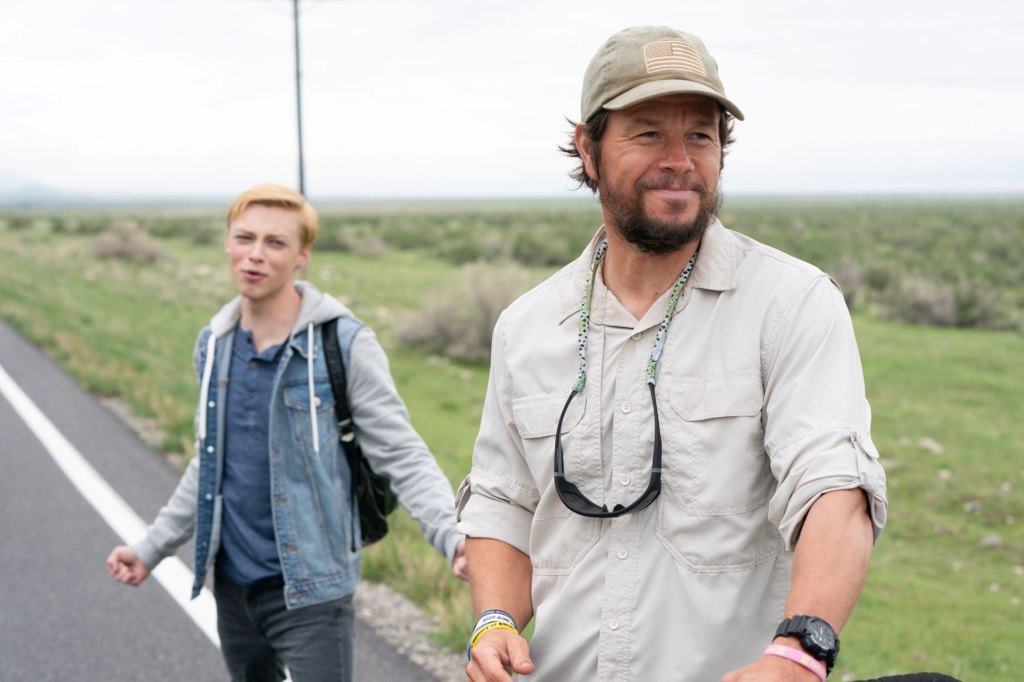
In 2020, McMurtry and Ossana collaborated on the screenplay for Joe Bell. In the film, which was based on a true story rather than a book, the title character (Mark Wahlberg) sets out to walk across America to honor the memory of his son, who was gay and died by suicide after being the victim of homophobic bullying. While the film told an important story, it received mixed reviews and was compared unfavorably to Brokeback Mountain.
Joe Bell would be McMurtry’s final film before he died in 2021. Looking back at his screenwriting career, the author took a characteristically clear-eyed view, writing, “Most novelists, I believe, harbor the secret belief that they can easily toss off screenplays . . . armchair screenwriters, if they have some independent literary reputation, are often allowed to professionalize their fantasy—which for the most part they do flounderingly. I don’t recall that I harbored this fantasy when I first began to write fiction, but I was led to it quickly enough and have pursued it about as flounderingly as anyone well could”—but his so-called “floundering” made for unforgettable films.
Conversation
All comments are subject to our Community Guidelines. Woman's World does not endorse the opinions and views shared by our readers in our comment sections. Our comments section is a place where readers can engage in healthy, productive, lively, and respectful discussions. Offensive language, hate speech, personal attacks, and/or defamatory statements are not permitted. Advertising or spam is also prohibited.