‘It’s a Great Story’: Biographer Exposes the Truth Behind Paul McCartney’s Biggest Myths (Exclusive)
His biographer details how Paul McCartney, 83, slightly altered classic stories over the decades

Key Takeaways
- A new biography reveals the truth behind Paul McCartney's most famous stories.
- The 'Live and Let Die' story McCartney tells was actually borrowed from George Martin.
- McCartney's Japan arrest shocked even John Lennon: 'He just figured they wouldn't look.'
For more than half a century, Paul McCartney has occupied a unique place in popular culture. He is simultaneously viewed as one of the greatest songwriters in music history from his time with The Beatles, Paul McCartney and Wings and his solo career, and, at times, one of its most frustrating creative figures—capable of writing “Maybe I’m Amazed,” “Band on the Run” or “Hey Jude,” while also turning around and releasing something that leaves even devoted fans scratching their heads.
For Allan Kozinn, co-author with Adrian Sinclair of the ongoing multi-volume biography The McCartney Legacy, part of what makes McCartney endlessly fascinating is that the contradictions never stop.
“Well, actually, my co-author, Adrian, it was really his idea,” Kozinn says of the project. “And we were on actually a number of collectors forums and you can, aside from the public chats, have little private side chats going on. And we had some of those because we were trading material or just discussing things. And he said, ‘I’ve always wanted to do the equivalent of Mark Lewison’s Beatles Recording Sessions book, but for McCartney, do you want to get involved with that?’
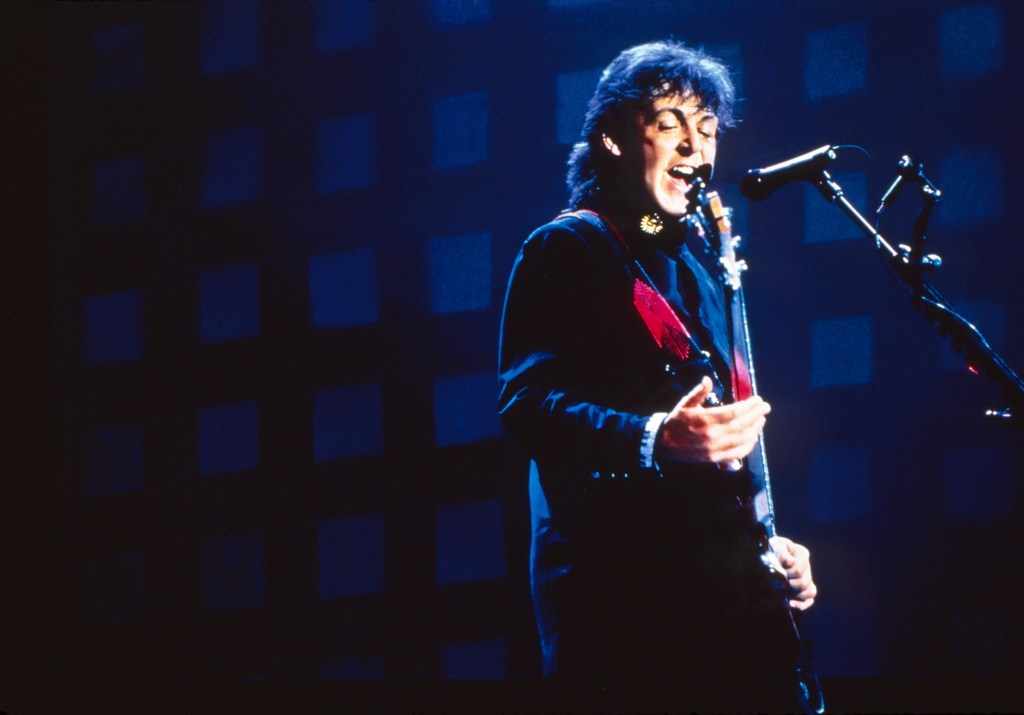
“And what he wanted me to do was just sort of write little wraparound chapters about what McCartney was doing in his life when he made all of these albums and then Adrian was going to provide the session info. And I thought, well, that’s really good because getting that session info is not going to be easy. Yeah. Let him do that. But then we were collecting the material and we were collecting lots of articles and interviews and then interviewing people who were involved in the sessions or the tours or whatever. And we just began to realize that we have really a full-fledged biography here, not just the sessionography. And the sessionography obviously can be part of it and is, but there’s a whole lot else going on.”
The McCartney mythology
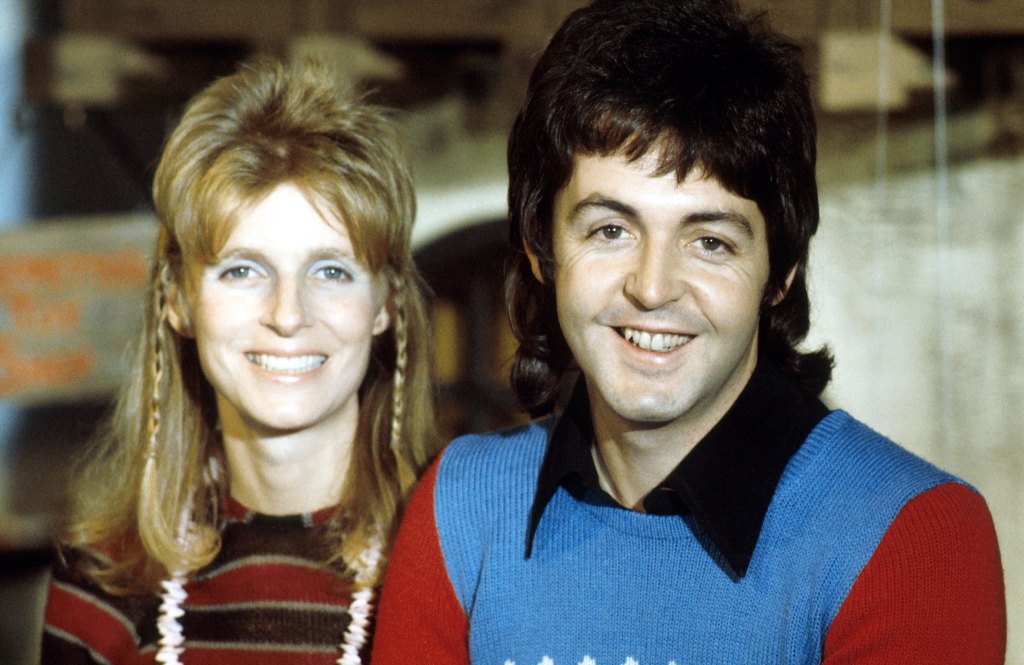
Part of that “whole lot else” turned out to be the mythology McCartney has built around himself over the decades—stories Beatles fans know almost by heart. “Yeah, I’m not sure it’s changed that much,” Kozinn says of his perception of McCartney after years of research. “I mean, he’s a complicated guy as we all are, and there are certain things that we’ve always noticed that he does. He has his own mythology. He has his own talking points and set-piece stories. ‘I dreamed “Yesterday,”’ that one, and there were a lot of those. So we wanted to get to the bottom of what actually happened as opposed to the set-piece stories. We weren’t necessarily out to disprove the set-piece stories, but there’ve been a couple of them that we have.”
One of the biggest examples involved the James Bond theme “Live and Let Die.” “That one’s not even Paul’s set piece,” Kozinn continues. “Paul adopted it from [music producer] George Martin. It was George Martin’s set piece, which is that he took the single down to Jamaica and played it for the producers of the film. And the producer said, ‘Well, great demo. Who are we going to get to sing it?’ And George Martin said, ‘Well, I mean, if Paul McCartney isn’t singing it, you’re probably not going to get the song.’
“It’s a great story and Paul has adopted it and he tells it, too. Here’s the thing: we found the paperwork for the contract for that and it turns out that Paul was always signed to do the title theme. His recording was always going to be heard at the beginning of the film, but there’s a second scene in a club with another performance of the song, and they wanted it to be by a female singer. It made sense for them to be asking George Martin, because he produced Shirley Bassey, who’s pretty famous for ‘Goldfinger.’ So they asked him, but he wasn’t privy to the contract, so he misunderstood the whole thing and said, ‘Oh, well, if you’re not using Paul’s recording, then forget it.’ But according to the contract, it’s very interesting. Paul was supposed to produce The Fifth Dimension singing that song, but The Fifth Dimension pulled out and they tried others who weren’t able to do it. And finally, they got someone named BJ Arnau and George Martin ended up producing that recording. The thing is that it’s a great story for Paul to tell. He likes telling it. He still does.”

The deeper Kozinn and Sinclair dug, the more they found stories that had evolved over time. “The story about recording the album Band on the Run and getting mugged and his demos being taken,” Kozinn says. “Paul likes to say even still that it’s a good thing that he remembered all the songs because they could then continue recording. The problem is that we were able to establish a really tight timeline for the Band on the Run sessions, and the demos were stolen on the last night that they did any recordings. Everything they were going to record in Lagos was already recorded. So even if he didn’t remember the songs from the demos, it didn’t matter. They were recorded already formally. Just little things like that.”
Evolving history
As the conversation turns to why those stories seem to change, Kozinn stops short of accusing McCartney of consciously rewriting history. “It’s really kind of funny,” he says. “With the ‘Live and Let Die’ story, he didn’t really make it up. He just borrowed it from George Martin. And the demo story evolved in an interesting way.
“When he originally told the story, it was just, ‘Yeah, we got mugged. It was very scary.’ It wasn’t until several years later that he even mentioned that the demos were taken. So then it became, ‘We got mugged and they stole our demos.’ And now recently with the recent Wings book that he put out, he has added a new element—’and they also took my notebook with all the lyrics. So it’s a good thing I remembered them.’ I don’t know why. I can’t tell. It’s hard to know whether someone is doing this because they really don’t remember and are filling in their own details or whether they’re consciously saying, ‘Yeah, actually it’s a bit better if I tell it this way.’”
McCartney’s ability to shape stories extends into interviews as well. “He is very savvy about that,” Kozinn says. “And when I first interviewed him, I mean, he’s not talking to us for the book, but I interviewed him when I was at the Times. And when I first went there, I mean, I was determined not to hear that he dreamed ‘Yesterday’ or that he and Linda became vegetarians because they were watching the gamboling lambs outside. There were certain of these stories that it’s almost as a joke, we say we have them numbered. ‘97’ is telling John that ‘I’m going to change the line in “Hey Jude,” the movement you need if it’s on your shoulder.’ And John says, ‘Oh, it’s the best line.’ You know all of these stories.
“I was determined not to hear any of them, not that I mind hearing them, but if I’m going to interview him, I want new stuff, right? That was long before I was going to be doing a book, but I had always listened to all his interviews, read all his interviews, collected as much as I can just as a collector and as a listener and as someone intensely interested in this guy and his work and all his friends. And so we ended up doing what I thought was an unusually good interview because we didn’t touch on any of that stuff. And I thought he was really kind of forthright because he wasn’t expecting the questions. He’s prepared for the questions that will let him do his set pieces.”
At the same time, Kozinn says McCartney possesses a remarkable personal charm that immediately changes the atmosphere in the room. “One of Paul’s superpowers is that if you walk in the room to interview him, he makes you feel as if you are old pals and he would rather be talking to you than doing anything else in the world. And as a journalist, you know that that is not even remotely true, but it really puts you at ease. And I’ve run into other writers who’ve said the same thing and it’s just something he can do better than probably most other people I’ve interviewed. And at this point, I’ve interviewed hundreds of people. Some of them make you feel very comfortable and some of them don’t. And some of them will hold something against you that you’ve written about them and some of them won’t.”
Carrying grudges
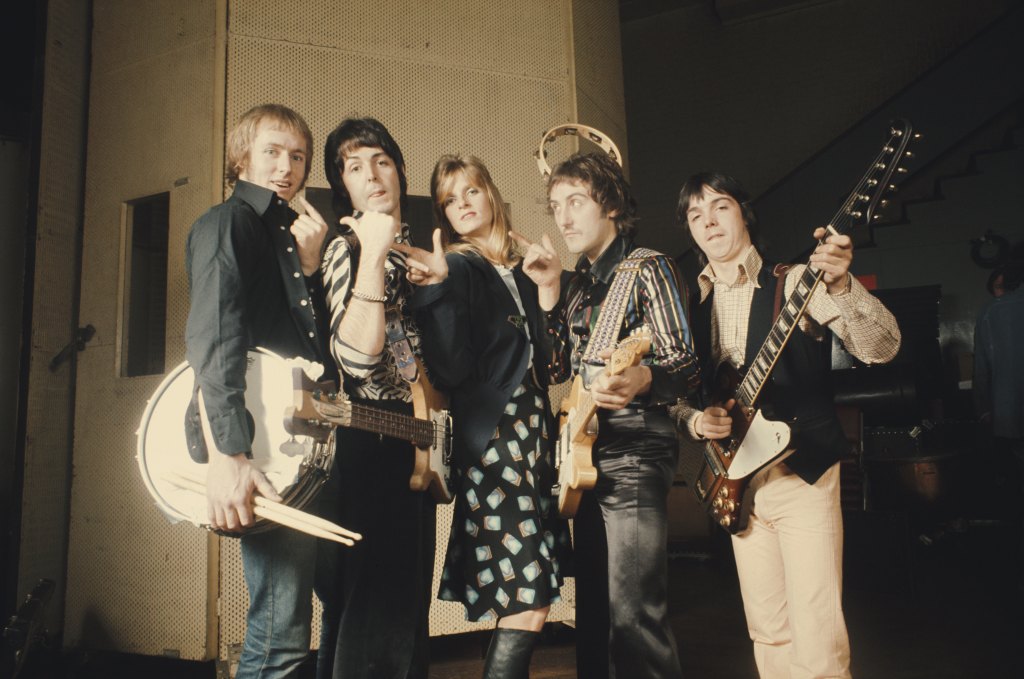
Ironically, Kozinn discovered that McCartney himself can hold onto criticism for decades. “There’s a British reviewer named Charles Shaar Murray who went to interview him when he did Venus and Mars, so we’re talking 1975. And Charles Shaar Murray wrote a piece that was called something like, ‘How Do You Tell A Former Beatle He’s Made a Crappy Album?’ And to Paul, that seems to be the worst review ever written. And he brought it up as recently as 2015; in an interview on British television, he mentioned it. So these things sort of stick with him.”
At the same time, Kozinn believes McCartney often responded creatively to criticism—sometimes overcorrecting in the process. “He recorded McCartney as basically glorified demos as a home project, do it yourself, put it out. And the critics said, ‘Well, it’s a little bit rough. It’s not quite…’ They’re expecting Abbey Road. And so he took a lot of knocks for that. So he then spent the summer writing something like 30 songs, went to New York, got some session musicians, recorded Ram. Some of it, he had George Martin orchestrate and they recorded the orchestral parts in New York, too. He came back with enough for three albums, put out Ram, and suddenly the reviews are, ‘Well, this is just way too slick.’

“So what does he do? He puts together Wings. They rehearse for a whole weekend before going to Abbey Road and they record Wild Life, the first Wings album, pretty quickly. And everyone says, ‘Well, this is pretty ramshackle.’ So he was reacting to the press. He was trying to give people what they wanted.”
Does he play well with others?

He also believes McCartney’s best work often came when collaborators challenged him—particularly lyrically. “From Paul’s point of view, lyrics aren’t that important,” Kozinn says. “It’s a strange thing to say for a songwriter, but he just considers the music more important than the lyrics, and he doesn’t spend a lot of time on the lyrics. And with collaborations, including with John Lennon, he’s collaborated with people who do care about lyrics and who will push for something a little bit better. And I think that’s a good fit for him because he’s still able to focus on the music. He probably comes up with the essential lyrical ideas and someone else will sort of scratch off the phrases that are a little bit not so great and replace it with something else.”
That, he points out, is why the Elvis Costello collaboration in the late 1980s worked so well. “That to me was as close to his collaboration with Lennon as he ever got. You got two people with the same kind of acerbic approach. I thought that stuff was brilliant. I really wish they had continued doing it. But what happens almost invariably is that at some point in the collaboration, they get to a place where they have different approaches and different things they each want to do. And Paul will basically say, ‘Well, okay, how many number one hits have you written?’ He’ll end up pulling rank. So in the Elvis Costello collaborations, you’ve got really the best of both worlds because you’ve got Elvis’ acerbic approach to lyrics and you’ve got Paul’s approach to melody and harmony, so you get something like ‘My Brave Face,’ which musically and lyrically is just an incredible song.”
Yet for all the criticism McCartney has endured over the years, Kozinn says one thing becomes impossible to deny when studying his post-Beatles career closely: the sheer determination that drove him. “He started off with that university tour where they just got in a van and drove up to universities and said, ‘We’ve got Paul McCartney here. You want a concert?’ That’s kind of an interesting way to do it. And the weird thing is that he kind of wanted to do something like that with The Beatles at the end. You see him talking a little bit about it with John in Let It Be…, he’s trying to convince John to go out on tour. He was trying to convince him at the time John announced his departure, and Paul was trying to convince him that what we should do is just get together and go do some shows in some little venue unannounced.
“He was very deliberate about it. He was very methodical. It was over a very long time stretch, so it’s sometimes hard to see how methodical it was, but it really was in stages. That was surprising to look at it that way. But also when it finally came about, he went to Australia first, because Australia was a big market for him, a big market for The Beatles and a great way to play in larger places than were available in Europe and in Britain, but not quite America yet, and then to go to America and do it—he had that worked out with an interesting kind of military precision.”
A bit too confident
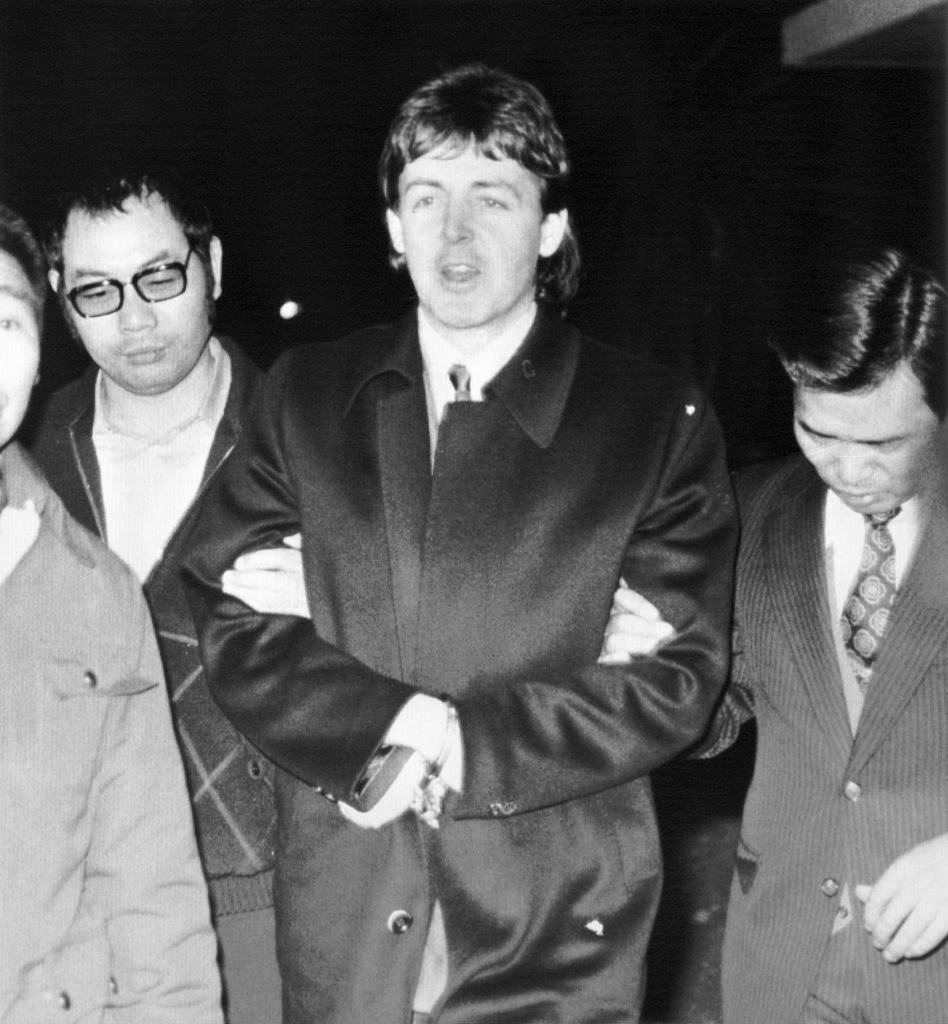
That same confidence could also veer into recklessness. Discussing McCartney’s infamous 1980 marijuana arrest in Japan, Kozinn still sounds amazed by the decision.
“Well, I think we quoted one of the photographers that photographed John and Yoko a lot, saying that he asked John, ‘Why did Paul do that?’ And John said, ‘Well, he just figured they wouldn’t look. They never checked our luggage. No one ever checked our luggage.’ I mean, as a Beatle, you’re like royalty and I guess he figured that he would just slide through. But everybody around them warned them, and I don’t know why they did it.”

Even more astonishing, Japanese authorities had already nearly refused McCartney entry because of prior marijuana arrests. “We know that the Japanese, first of all, feel strongly about it. Second of all, know that he’s a pot smoker and has been busted before and weren’t going to give him a visa in ’75, almost didn’t give him a visa in ’80. You would’ve thought that, ‘Well, while that’s going on, this is a good opportunity to get that thing out of my bag.’”
And maybe that contradiction of confidence bordering on self-destruction is ultimately the throughline running across McCartney’s entire career. Sometimes it produced Band on the Run. Sometimes it produced Give My Regards to Broad Street. Sometimes it led to reinvention. Sometimes disaster. But as Allan Kozinn discovered while tracing McCartney’s post-Beatles life in extraordinary detail, the story is far more complicated—and far more human—than either the myths or the criticism alone would suggest.
Conversation
All comments are subject to our Community Guidelines. Woman's World does not endorse the opinions and views shared by our readers in our comment sections. Our comments section is a place where readers can engage in healthy, productive, lively, and respectful discussions. Offensive language, hate speech, personal attacks, and/or defamatory statements are not permitted. Advertising or spam is also prohibited.