‘I Feel Guilty When I’m Not Working’: The Tireless Life of ‘The Fugitive’ Star David Janssen
He was TV's hardest-working star. Discover the drive—and the cost—of the actor's iconic career

Television history remembers David Janssen as a man in motion—tired, driven and quietly relentless. As Dr. Richard Kimble on the classic TV version of The Fugitive, he embodied a kind of heroism built not on bravado, but endurance. Yet long before he became the face of one of television’s most influential dramas, Janssen was a small-town boy from Naponee, Nebraska, born David Harold Meyer on March 27, 1931, and shaped by two opposing forces: Midwestern discipline and an early immersion in show business that would define the rest of his life.
His father, Harold Meyer, worked as a local banker, while his mother, Berniece Graf, had lived a very different life. A former Miss Nebraska and a Ziegfeld Follies showgirl, Berniece carried the rhythms of show business with her, even after settling far from Broadway lights. That contrast—between a grounded Nebraska upbringing and a restless pull toward performance—was present from the start. And while Janssen would later become known for playing weary men under pressure, the foundation for that credibility was laid early, in a household where responsibility and ambition quietly coexisted.
The Post-Standard (1957): “At the age of six months, he won the town’s ‘prettiest baby’ contest. As a one-year-old baby, David began traveling when his mother went on tour in Rio Rita and other musicals. Growing up backstage, he learned to sing, dance, play the piano and the accordion. In 1942, Mrs. Meyer settled in Hollywood, where she became a top photographer’s model and played small roles in the movies. She divorced Meyer and later married Eugene Janssen, a Los Angeles businessman.”

From Nebraska roots to Hollywood dreams
The move to Los Angeles altered not just his geography, but the course of his future. Janssen would come to deeply identify with his stepfather and would adopt his surname professionally. By the time he was old enough to make decisions for himself, the industry already felt familiar, thanks to his mother—even if he wasn’t yet convinced it was where he belonged.
For all his early exposure to show business, Janssen’s real passion as a teenager had nothing to do with acting. At Fairfax High School, he poured his energy into athletics, excelling in both basketball and track. That focus carried him to UCLA, where he earned an athletic scholarship and began to imagine a future in sports. Then, abruptly, it ended. A severe knee injury suffered during a pole-vaulting accident cut short his athletic ambitions, closing the door on any realistic hopes of a professional sports career. With sports no longer an option, Janssen found himself turning back toward the family business of acting, not out of renewed passion, but necessity.
But here’s the thing: by the time he had reached high school, his resume already looked more like that of a working professional than a teenager. At 14, he had appeared in six films and spent a summer on the East Coast performing in the “straw hat circuit,” taking the stage in Ogunquit and Kennebunkport, Maine. He rehearsed two productions aimed for Broadway that ultimately stalled before reaching New York, an experience that helped steer him back to Hollywood, where he decided to concentrate on movie work. In 1951, that shift led to a contract with Universal-International and a role in Yankee Buccaneer.
Army life
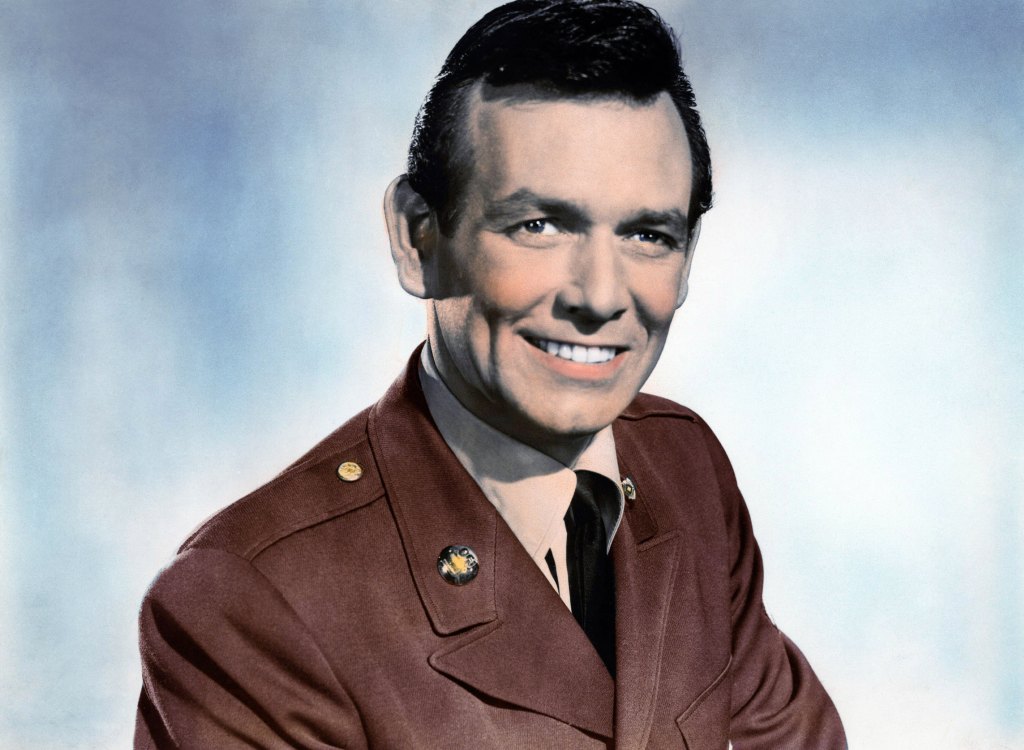
At 21, just as his career was beginning to take tentative shape, Janssen’s momentum was interrupted by a draft notice from the U.S. Army. From 1952 to 1954, he was stationed at Fort Ord in California, serving in the Special Services unit—an assignment that kept him close to entertainment, even in uniform as he appeared in the G.I. Talent Show, “Shellzapoppin.”
SANTA CRUZ SENTINEL (1953): “[In Shellzapoppin] things got off to a fine start with handsome, smiling Pfc. David Janssen as master of ceremonies. This genial G.I., who has the distinction of being the only enlisted man now under contract with a major studio, ‘warmed up’ the audience with a few observations on Army life. ‘There’s the right way, the wrong way and the Army way,’ he said.”
VALLEY TIMES (1954): “Having been discharged, David Janssen is set to resume his career in the featured role of a young Army lieutenant in Chief Crazy Horse. Janssen’s last assignment before starting his two-year stretch in the Army was U-I’s Bonzo Goes to College.”
After Chief Crazy Horse, Janssen’s screen work accelerated. Between 1955 and 1956, he appeared in a dozen films, though he found it difficult to stay out of his military uniform for long.
DAVID JANSSEN: “I was on active duty for two years. I returned to this wonderful land of glamour, bright lights, beautiful girls and comfortable living. And inside of one whole week, I had a spot as a cavalry captain in Chief Crazy Horse and it didn’t end there. Three weeks later, I’m crawling flat on my stomach at Anzio with Audie Murphy in To Hell and Back. And a month later, I’m a corporal in Cult of the Cobra.”
By the late 1950s, David Janssen was steadily working his way through television. In 1957 alone, he appeared as a guest on Boston Blackie, Sheriff of Cochise, Conflict, U.S. Marshall, The Millionaire, and made four appearances on Dick Powell’s Zane Grey Theater. It was the kind of exposure that suggested he was ready for something more permanent.
‘Richard Diamond, Private Detective’
That opportunity arrived in 1957 with Richard Diamond, Private Detective, which ran through 1960 and was based on the earlier radio series. Janssen starred as Diamond, a former NYPD cop turned private eye, navigating a moody, noir-inspired landscape. Whether taking on a case for $100 a day plus expenses or stepping in to help a friend in trouble, Diamond gave Janssen his first sustained chance to anchor a television series.
SAN FRANCISCO EXAMINER (1957): “Richard Diamond, Private Detective is a video variation on Dick Powell’s old radio whodunit. It lacks the suspense of the original that paid off in an era when private eyes were the rage of radio and Sam Spade was supreme. Nevertheless, it’ll be a star-maker for youthful, debonair David Janssen, who takes over where Powell began. He’s calm, confident and cautious in his professional sleuthing. He looks good, acts good, sounds good. Last week’s opus was a hum-and-drum half hour about a kidnapped heiress whom Janssen rescued with no resistance from the unimaginative writers. The show failed to impress me, Janssen did. He’ll go places in television.”
DAVID JANSSEN: “You know, my life has been an odd mixture of success and failure. Mostly success, but failure always seemed to rear its ugly head. Every inch of the way has been a struggle for me. You don’t know how good it feels to be known as a person who can pay his bills. It’s a wonderful feeling. Believe me, it wasn’t always that way. I’m satisfied with my work, but when Diamond no longer entertains the audience, which I hope will never happen, I’d like to move on to motion pictures or the stage. [But] I think the series will continue for a good while. I believe the audience likes authenticity and they get this from Diamond. He’s the kind of guy who’s human. He makes mistakes. He doesn’t always win. We have had 15 different directors working on this and that versatility keeps the show fresh. It’s a task trying to keep a show moving for 24 minutes, but I think we’re doing it.” (Los Angeles Times, 1958)
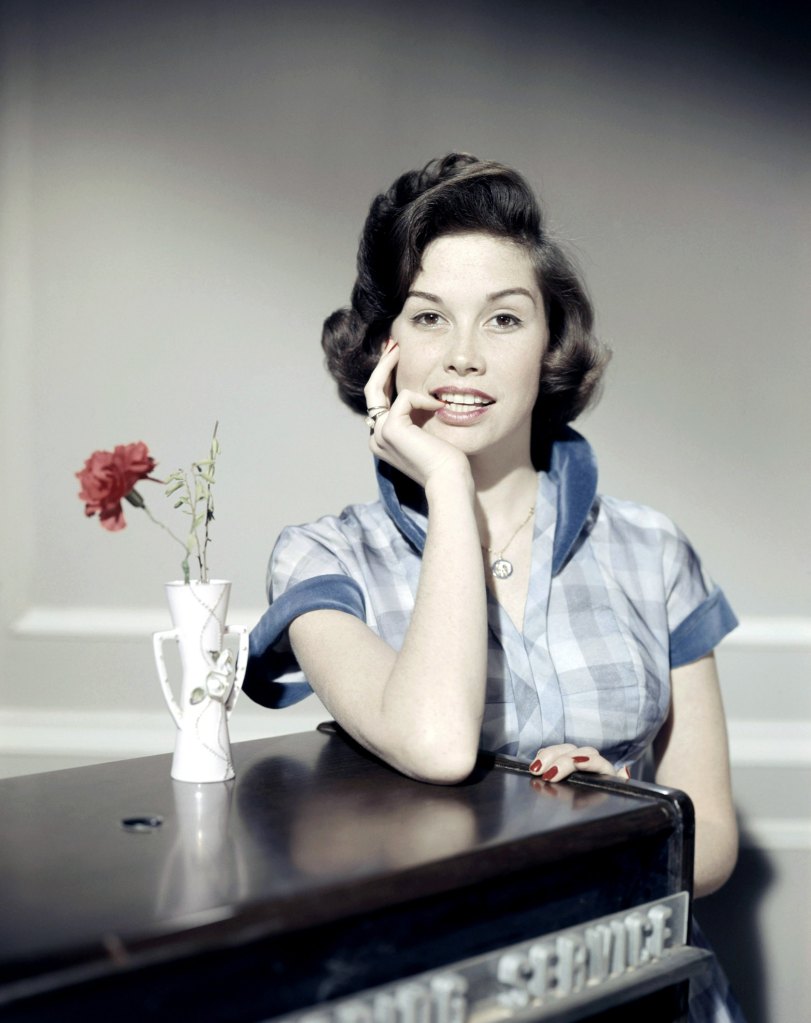
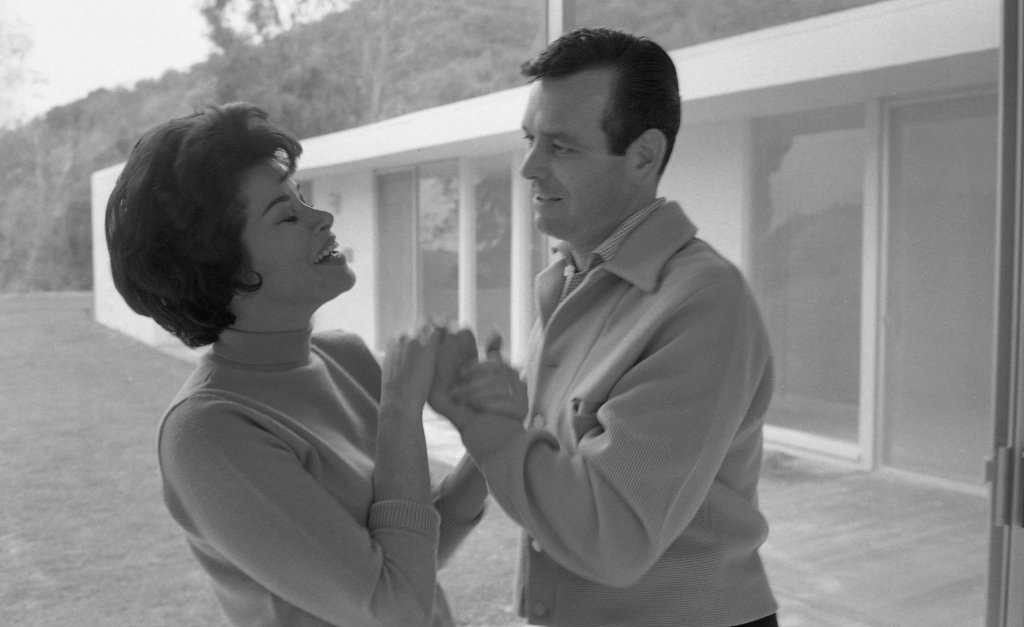
Interestingly, while Janssen was unquestionably the show’s star, Richard Diamond became famous for an unexpected—and very deliberate—bit of visual misdirection. Diamond’s telephone operator, known only as “Sam,” was heard often but never fully seen. Instead, the camera framed her in silhouette or focused only on her legs, turning a supporting character into a minor television mystery. Viewers tuned in not just for Diamond’s cases, but to catch another glimpse of “the most mysterious legs on television.” Years later, audiences learned that the woman behind those famous legs was a young, then-unknown Mary Tyler Moore—an early footnote in what would become television history.
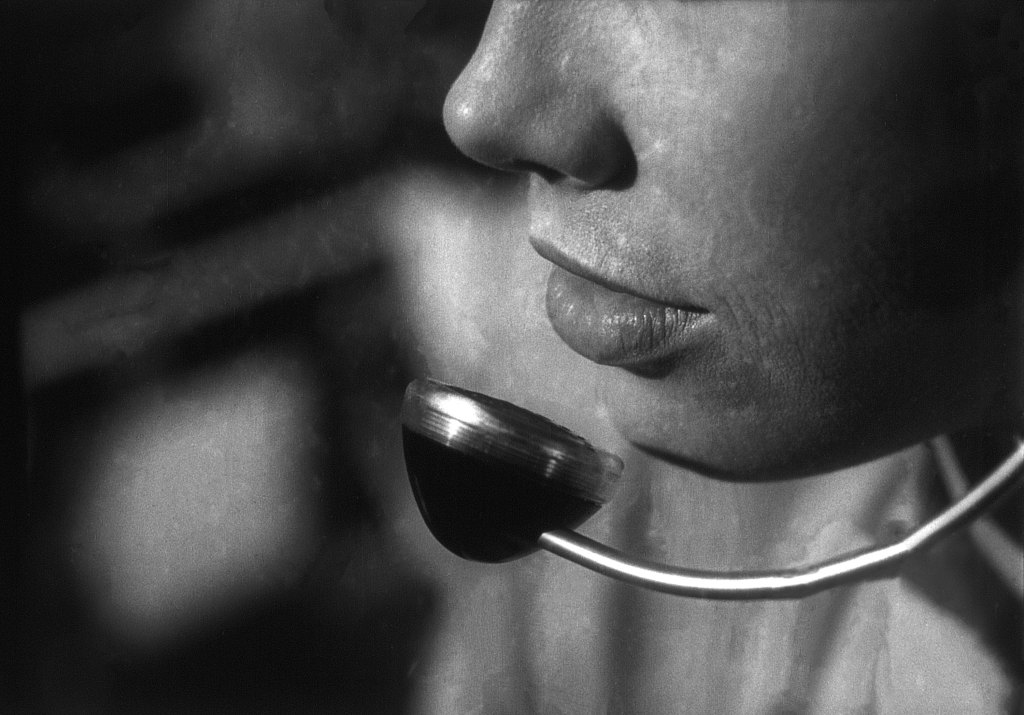
MARY TYLER MOORE: “You would see a close-up of my mouth or a shot of my legs. They got really carried away with interesting ways to shoot this character. So she looked terribly appealing, but you couldn’t really tell who she was. But there was this voice, there was this sultry voice that just piqued the curiosity of men all over the world because they could imagine anybody they wanted, whatever their fantasy was in a woman, they had it. It was an anonymous role for me, though, because the producers asked me to keep my identity a secret. Not that my identity meant anything at that point, I was just starting out, but they wanted to keep the mystery going.” (Archive of American Television)
When Richard Diamond came to an end, Janssen wasted no time returning to movies. By March of 1961, reporters were taking note of just how much ground he had covered in the previous year alone. He had filmed 10 episodes of the television series, devoted a month to summer stock, completed a television pilot of his own, and appeared in six feature films—most of them requiring his presence in nearly every scene. It was enough activity that the Santa Cruz Sentinel posed an inevitable question: was he concerned about being seen too much?
DAVID JANSSEN: “I see no reason why actors shouldn’t keep the same hours as any other working man. Besides, I love money. ‘Overexposure’ is a word that’s cropped up in Hollywood talk the last few years. I don’t think there can be such a thing for a younger actor. I feel I’m serving my apprenticeship. An actor has to be seen to make stardom. There’s only one road to success in this town: lots of work, good scripts and sensible casting.”
ED ROBERTSON (author of The Fugitive Recaptured and host of the classic television podcast TV Confidential): “I would say David Janssen is one of the most underappreciated actors of, certainly, my generation and perhaps the last two generations. When I wrote The Fugitive Recaptured, I spoke to Stan Whitmore, who wrote the pilot episode and three or four others in the first season. He got to know him a bit during that first year and felt that Janssen didn’t realize what a good performer he was. He said he also desired to be a film actor, and people like that used television as a stepping stone. Television was considered the minor leagues. The majors was being a movie star, and even though Janssen enjoyed great success on television, first with Richard Diamond, Private Detective and then with The Fugitive, and did pretty much every anthology show there was before The Fugitive, he didn’t seem to value his success in television, because it meant he wasn’t a movie star.”
‘The Fugitive’
In 1963, Janssen took on the role that would define his career—and, in many ways, redefine what a television leading man could be. Cast as Dr. Richard Kimble in The Fugitive, he became the emotional center of a weekly drama built on endurance, restraint and quiet desperation.
Kimble was a man falsely convicted of murdering his wife, sentenced to death, and saved only by a train wreck that allowed him to escape custody. From that moment on, he was a man in motion—traveling from town to town, helping strangers when he could, while staying one step ahead of the relentless Lt. Philip Gerard (Barry Morse). The structure was simple, but the emotional burden was not. Janssen appeared in nearly every scene of every episode, carrying the weight of the story almost entirely on his shoulders as he leaned into the character’s exhaustion, grief and moral decency, allowing audiences to feel the toll of life on the run.
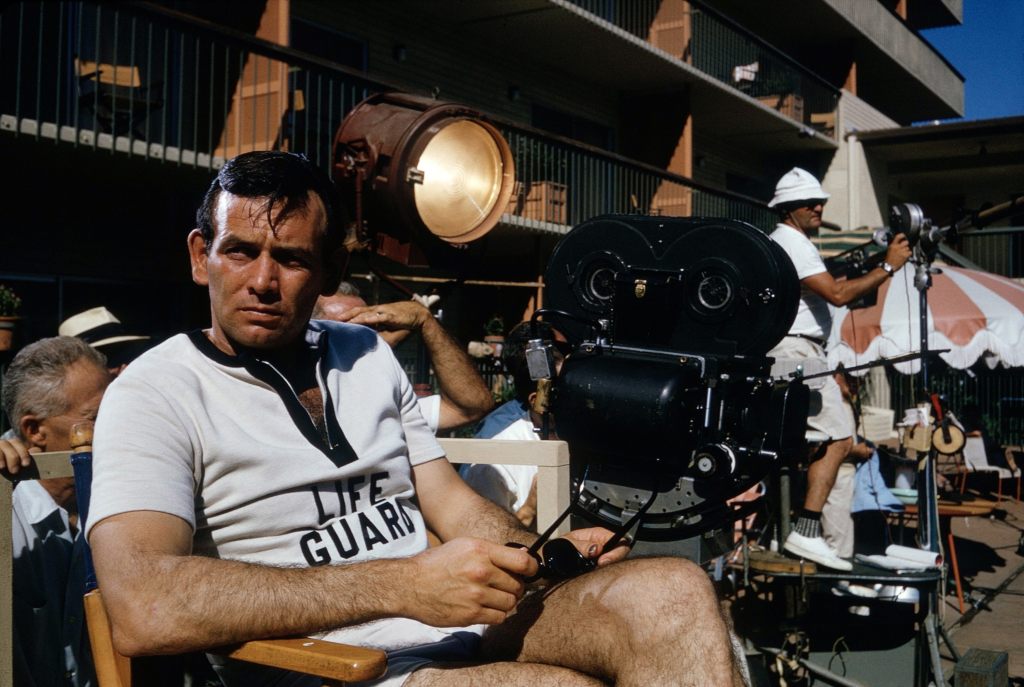
DAVID JANSSEN: “I feel it’s a new approach; a premise that has not been attempted before on TV. I also feel it’s a good opportunity not only for me as an individual, but for me as an actor. I play Dr. Richard Kimble, but as a fugitive, I am unable to practice medicine. One week, I might take a job as a farmhand, which brings a new set of problems. Then I might be a bartender with another set of problems. I’m still the same basic character, but each week I have to adapt to different problems, just as we all do in real life. Richard Diamond, on the other hand, was the same kind of guy week-to-week. Every reaction was channeled along the same area, because the character itself produced the reaction. Not so much with The Fugitive, where we get a little closer to the truth, the way life really is. As a result, the new role is more of a challenge.” (Los Angeles Times, 1963)
The response to The Fugitive was extraordinary. Over four seasons, it became one of television’s most critically acclaimed and commercially successful dramas. Janssen earned three Emmy nominations for the role and won the Golden Globe for Best Actor in a Television Drama in 1966. More importantly, he became inseparable from the character he portrayed. That connection reached its apex on August 29, 1967, when the series aired its final episode, “The Judgment.” An estimated 78 million viewers—roughly 72 percent of all television households—tuned in to see the story conclude and to learn the fate of the one-armed man who had actually killed Kimble’s wife.
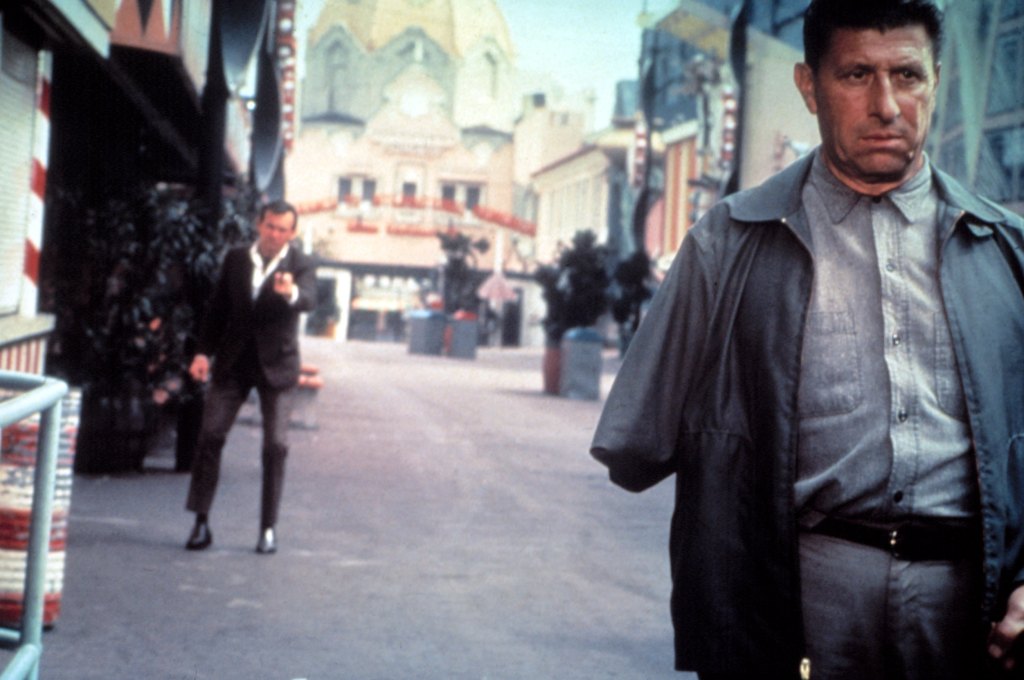
DAVID JANSSEN: “When it first went into production, I didn’t think of it as having any social significance. I considered it merely realistic dramatic entertainment. It is amazing, but The Fugitive became a sort of morality play for a lot of people. I recently returned from my first trip to Europe. I was amazed to discover how many people in other countries enjoy the show. The theme of The Fugitive has universality. Perhaps that’s why it translates so easily into different languages. Maybe in all of us there is a feeling of having been wrongly accused in some way. Viewers have a degree of personal involvement that only they can testify to. I certainly don’t feel qualified to speak in sweeping terms, but I do believe that every successful show has three important ingredients: production, entertainment and a sense of personal involvement. I think The Fugitive fits that description.” (Santa Maria Times, 1967)
It was precisely that sense of viewer involvement that changed the conversation behind the scenes. Leonard Goldberg, who was serving as an ABC executive before becoming a producer, resisted the network’s inclination to let The Fugitive fade out without a proper ending—a standard practice in television at the time. Without his intervention, audiences would likely have been left to believe that Kimble was still out there, perpetually on the run and forever hunting the one-armed man.
LEONARD GOLDBERG: “I went to the president of the network and said to him, ‘We can’t just end the series with another episode. People who have been watching the series have to see it resolved. He and other senior members of management looked at me like I was crazy and said, ‘What are you talking about? It’s over.’ I said, ‘It’s not over. They’ve invested in this for four years. We’ve got to come to a conclusion.’”
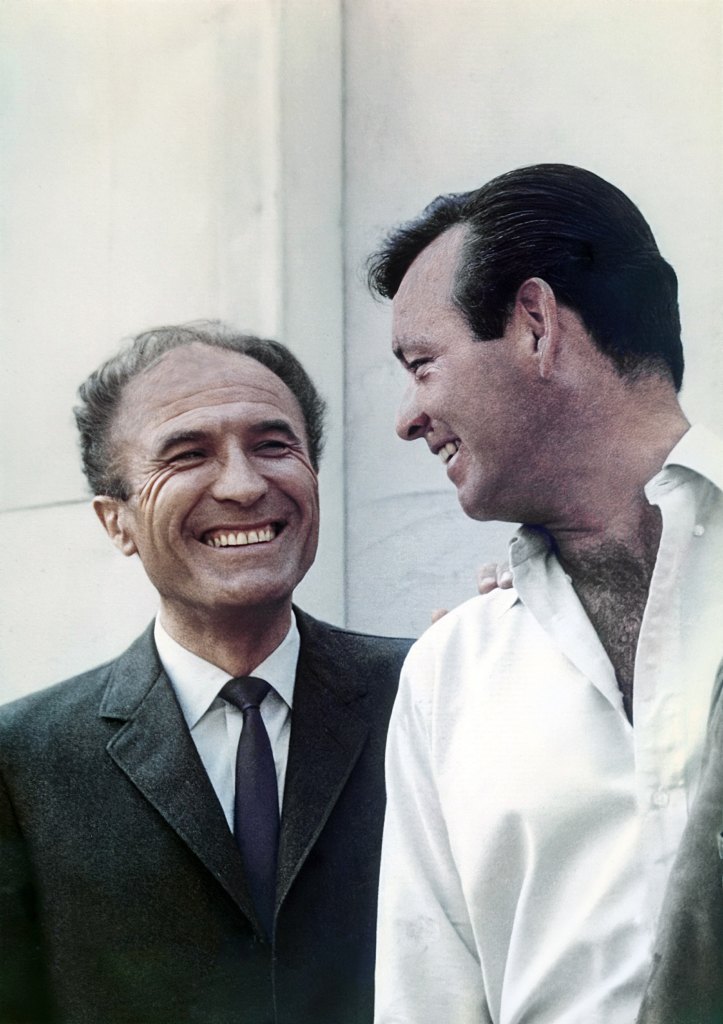
“What the ratings illustrated to me was the very people who made television, who controlled television, saw the numbers and knew that 20 million people were watching, but thought that they were just watching and didn’t care. I thought, ‘What a sad commentary on our business that the people in charge don’t believe in the power of their own medium.’ You realize that the people who tune in actually do care about these characters and they want to see what happens at the end.” (Archive of American Television)
‘The Green Berets’ and beyond
Flash forward to 1968, and Janssen found himself cast it what would prove to be John Wayne’s most controversial film, The Green Berets, set right in the middle of Vietnam, the war with that country raging at the time. He was reluctant to do so but ultimately did share his feelings about the film and the war itself.
DAVID JANSSEN: “I just don’t believe in airing my views. Actors shouldn’t become involved in politics anyway. I have too many other things to do than bother about the implications of the Vietnam situation… But all I know is that our boys are dying over there. I don’t think you can turn your back on them. My own views on the war change from day to day. Sometimes I think it’s a war of aggression and we ought to get out of there. But other times, I’m convinced it’s communism and we ought to continue sending our boys supplies and guns. Since we are caught up in the mess, I think we should do everything to win it.” (New York Daily News, 1968)
Between The Shoes of the Fisherman in 1968 and Inchon in 1981, Janssen continued to balance film work with an expanding television presence, starring in 12 feature films along the way. Television, however, offered him a different kind of outlet. Starting with Night Chase in 1970 and concluding with City in Fear a decade later, he appeared in 20 made-for-TV movies, gravitating toward projects that allowed him to fully inhabit a story within a single broadcast. Two of those films were 90-minute Harry O movies, which ultimately led to the creation of the weekly series. Janssen was also drawn to the emerging miniseries format, a fascination that deepened after he narrated Centennial and later appeared in its concluding episode.
ED ROBERTSON: “Throughout the ’70s, he had a large Q-rating, the equivalent of the ‘it factor.’ Viewers knew who David Janssen was, which is why the networks were looking for projects for him. He didn’t do much in the way of guest star appearances after The Fugitive—a two-hour Cannon comes to mind—and I don’t know whether that was a decision he made or if his manager suggested it, but it kind of fueled the star mystique. He was offered so many TV movies, he didn’t need to do guest shots and it allowed him to play different characters.”
‘O’Hara, U.S. Treasury’
Janssen next took the lead in O’Hara, U.S. Treasury in 1971, a short-lived series created by Dragnet’s Jack Webb. He played Jim O’Hara, a Nebraska county sheriff whose personal tragedy forces a complete reinvention. After losing his wife and child in a fire, O’Hara walks away from his old life and applies for a position with the United States Department of the Treasury, setting the series in motion as he adapts to federal law enforcement.
DAVID JANSSEN: “Jack Webb asked me if I’d like to be involved. I went to Washington to study the Treasury Department. I spent about nine weeks in Washington. I was briefed on every aspect of the department and while I’m not qualified to actually function as an agent in reality, intellectually I know what the job is. In the scripts, I function as part of one of several divisions.”
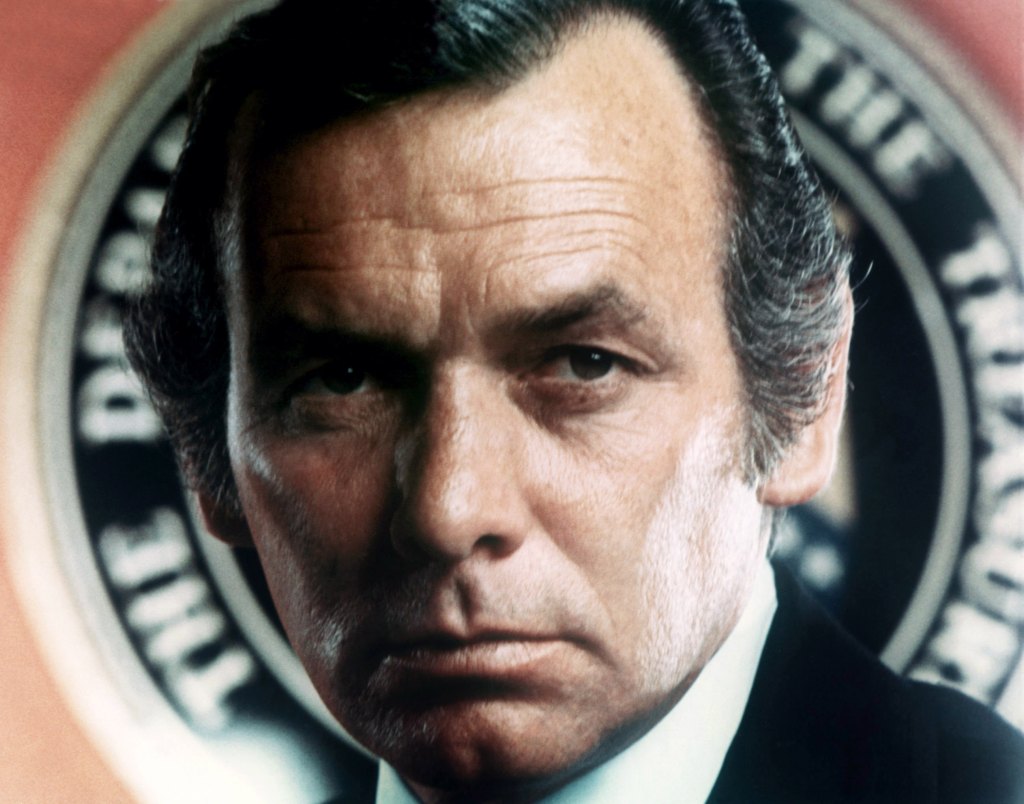
Whatever optimism that may have fueled the show at the outset didn’t last very long, largely due to the fact that it was made with the cooperation of the government. This, in many ways, turned out to be more of a hindrance than a benefit.
DAVID JANSSEN: “Once we got into shooting, we were hampered at every turn. We couldn’t tell the stories the way we wanted to tell them, because our technical advisers were always afraid. We couldn’t show O’Hara having a drink in a bar, for fear people would think Treasury agents drank on the job. We couldn’t show O’Hara having a relationship with a woman, because the Treasury Department was afraid the public would feel agents fooled around on the job. The situation got so ridiculous that the series eventually wasn’t much more than a shallow recruiting commercial for the Treasury Department.” (Sacramento Bee, 1974)
ED ROBERTSON: “You can’t really pin the show’s failure on Janssen. Jack Webb put him in a show where he took away all of the charm of David Janssen. Basically, he was playing Joe Friday, only instead of LAPD, he was a treasury guy. It was a typical Jack Webb show where the character was secondary and actors had to conform to the limitations of a Jack Webb character with virtually no emotion whatsoever.”
‘Harry O’
Janssen’s last television series felt like a return to familiar ground. In Harry O, he played Harry Orwell, a private detective and former cop whose career—and body—had been permanently altered after being shot on duty. The character’s lingering back injury became a recurring element of the show, sometimes flaring up at critical moments in early episodes as a way of raising the dramatic stakes. The series originated with two television movies, Such Dust as Dreams Are Made On and Smile Jenny, You’re Dead, which proved popular enough to launch a weekly show that ran from 1974 to 1976.
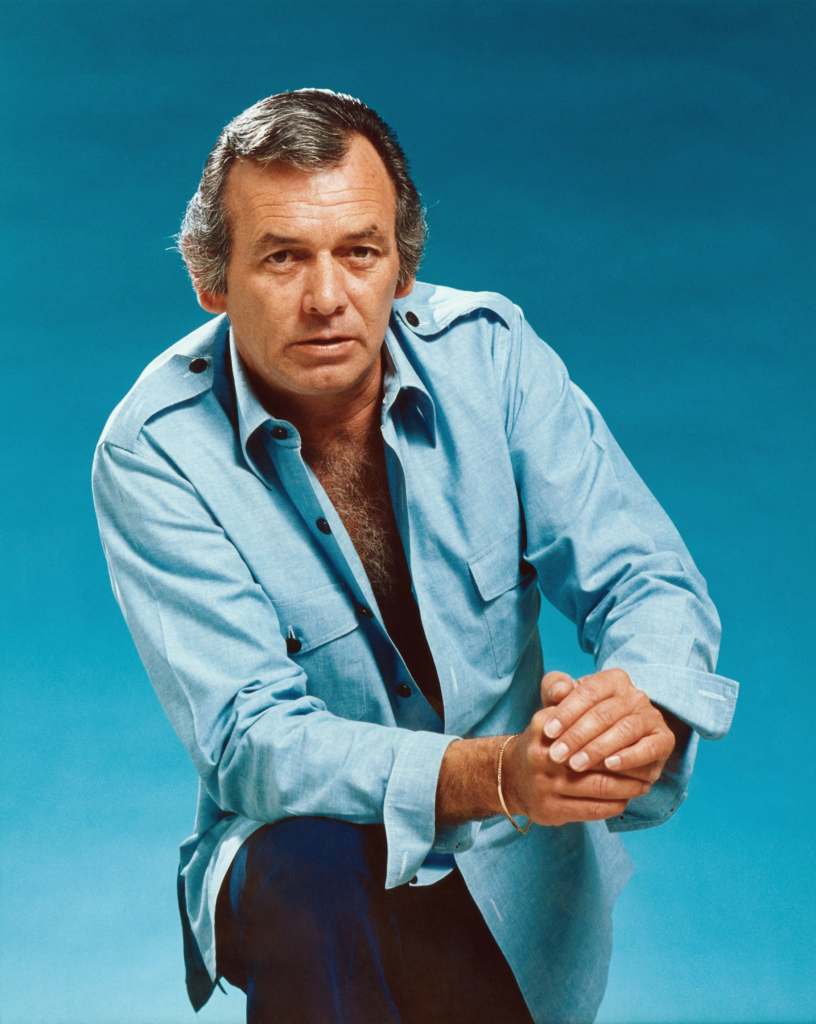
While the series got off to only fair ratings, changes behind the scenes led to a sharp improvement. Even so, Harry O fell victim to a broader network overhaul. Newly appointed ABC president Fred Silverman cancelled the show as part of an effort to redefine the network’s image, replacing it with Charlie’s Angels. The decision carried a certain irony, since Farrah Fawcett—soon to become one of the new show’s breakout stars—had been appearing regularly on Harry O as Sue Ingham, Harry’s girlfriend. Janssen, who considered Harry Orwell the finest role of his career, was furious. He later insisted that it would be the last television series he would ever headline.
A legacy cut short
The engine that had driven David Janssen for decades—governed by his personal feeling that ‘I feel guilty if I’m not working’—finally gave out on February 13, 1980, just one month shy of his 49th birthday. He died suddenly from a massive heart attack, a shock that rippled through Hollywood and the television industry he had helped define. His death felt abrupt not only because of his age, but because he had never given any indication that he knew how to stop. For colleagues and friends, it marked the loss of someone who seemed permanently in motion. The response was immediate and deeply felt. Janssen was not a flashy celebrity or a self-promoter, but he was widely respected across generations of performers.
The depth of Janssen’s impact became unmistakably clear in the days that followed his death. His funeral, held at Hillside Memorial Park, drew an extraordinary gathering of friends, colleagues, and admirers—a reflection not of celebrity spectacle, but of genuine respect.
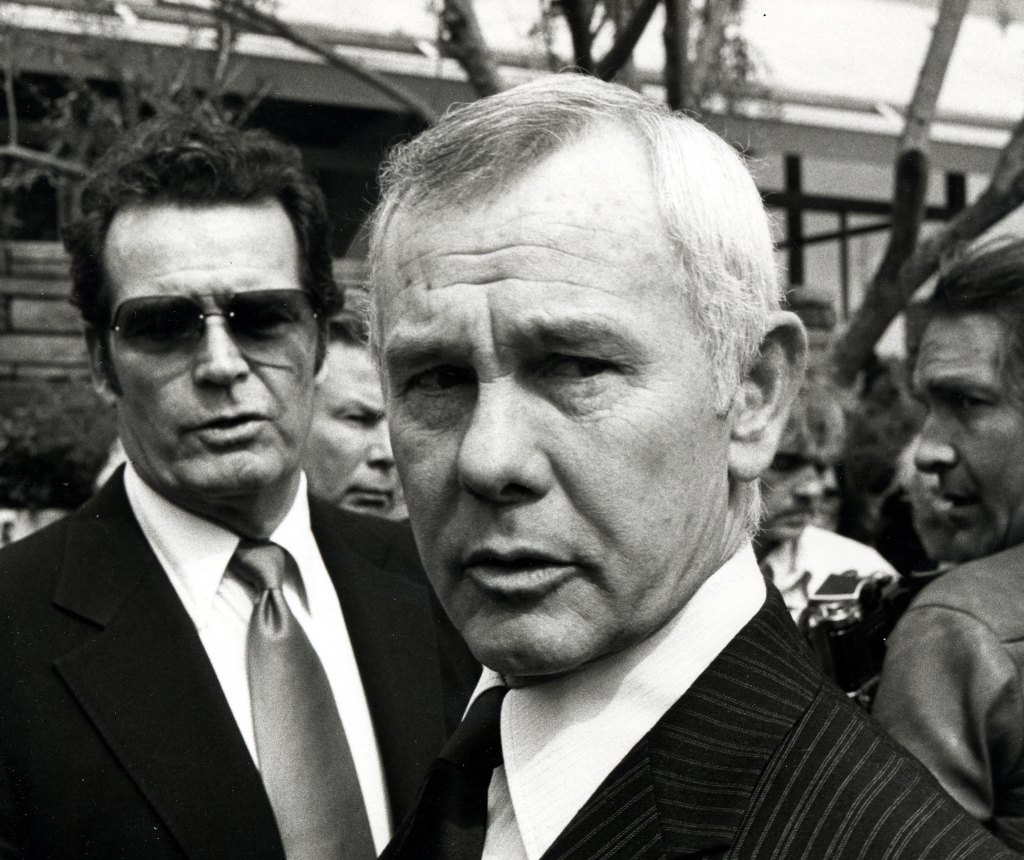
Those who served as pallbearers represented a broad cross-section of entertainment history. Johnny Carson attended as a close personal friend. Gregory Peck, an icon of classic Hollywood, was there to honor a man he admired for his professionalism. Rod Stewart appeared as a reminder of Janssen’s reach beyond television, while Danny Thomas and Milton Berle—titans of early television comedy—underscored how widely he was valued across genres and generations.
The eulogy was delivered by actress Suzanne Pleshette, one of Janssen’s closest friends. Her remarks captured what many felt but rarely articulated: that beneath his reserved exterior and relentless work ethic was a man of quiet sensitivity, generosity and depth. Janssen had never sought the spotlight off-screen, but the turnout made clear how many people felt his absence.

GARY DEEB (Times-Advocate): “The death of Janssen at age 49 represents more than just the passing of another Hollywood celebrity. It literally robs television of one of the few stars whose talent and personality were ideally suited to the peculiar requirements of that 21-inch screen in everybody’s living room.”
DAVID JANSSEN: “There haven’t been a lot of peaks and valleys in my career, and I’m grateful for that. In retrospect, I haven’t worried much about where my next job was coming from. I’ve always felt I was qualified to play any part in a script. I’ve never felt the fear of not working, but I can understand the anxiety of actors who think that not getting top billing is the end of their careers. Like the English, I believe any part is worth playing if it makes a contribution.”
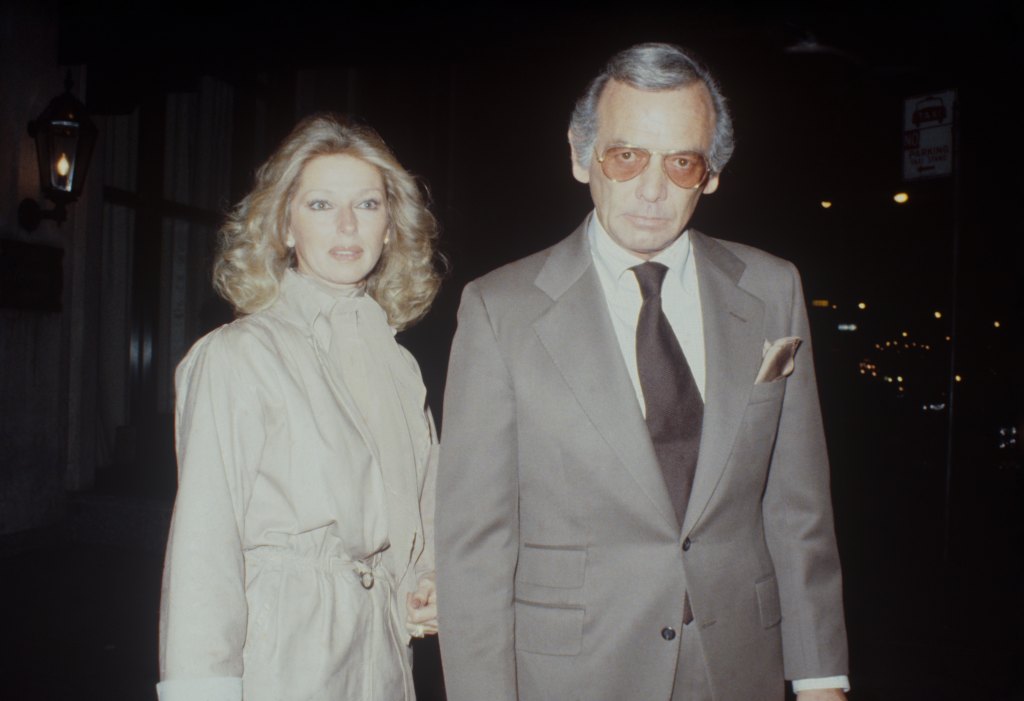
David Janssen’s personal life included two marriages. In 1958, he married model and interior decorator Ellie Graham in Las Vegas, a union that eventually unraveled in an acrimonious divorce 10 years later. He found lasting stability in 1975, when he married model and actress Dani Crayne Greco, who remained by his side until his death.
Conversation
All comments are subject to our Community Guidelines. Woman's World does not endorse the opinions and views shared by our readers in our comment sections. Our comments section is a place where readers can engage in healthy, productive, lively, and respectful discussions. Offensive language, hate speech, personal attacks, and/or defamatory statements are not permitted. Advertising or spam is also prohibited.