‘It’s a Privilege’: Kimberly Schlapman Opens Up About Caring for Her Mom With Parkinson’s (EXCLUSIVE)
The Little Big Town star opens up about caregiving, family and the lessons her mom taught her

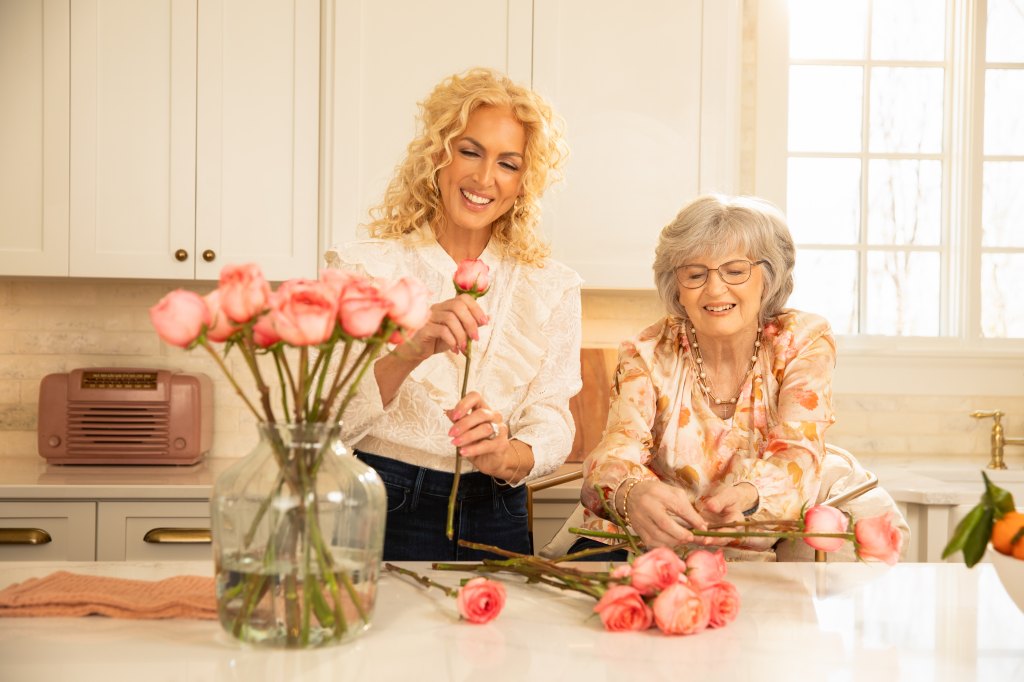
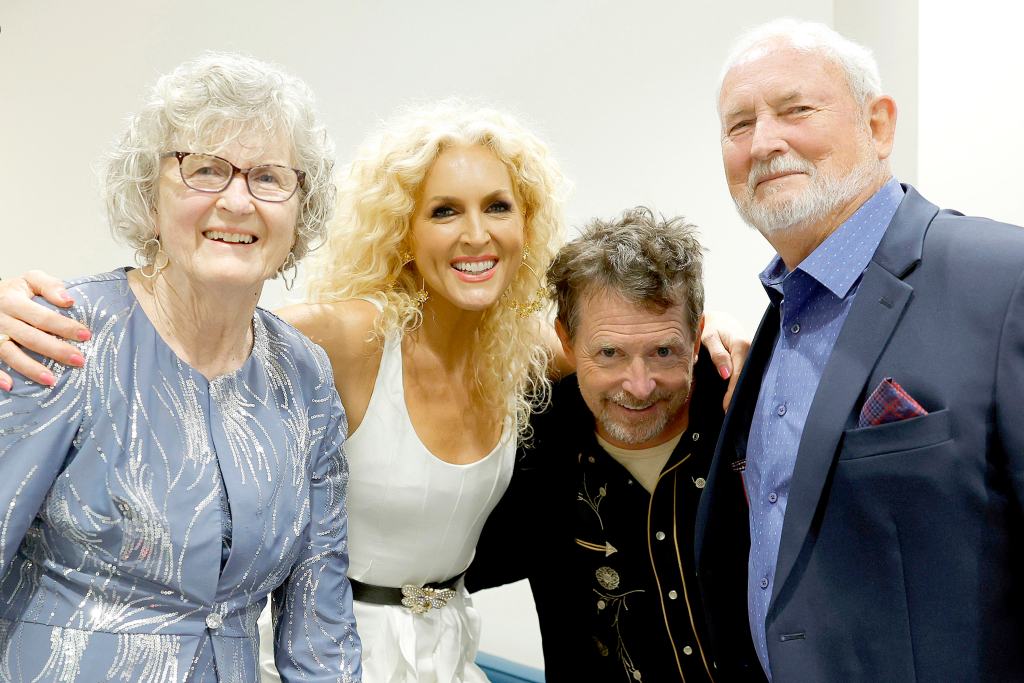
Little Big Town’s Kimberly Schlapman has provided comfort to countless fans with her popular country group’s signature four-part harmonies for over 25 years. Offstage, the singer and mom of two gives comfort in a different way, as she serves as a caregiver for her beloved mom, Barbara Bramlett, as she navigates Parkinson’s disease.
Schlapman recently partnered with the medical company Abbvie for their Changing the Tune of Parkinson’s Disease campaign, which aims to help both those living with the disease and their caregivers to advocate for themselves and get the treatment they need. “My mother was diagnosed a little over 20 years ago,” says Schlapman. “At that point, our family knew almost nothing about the disease, but over the years, we’ve learned so much and walked with my mama on this long, challenging journey.”
Clearly, Parkinson’s advocacy and caregiving are close to Schlapman’s heart. “Being in communication with my mom’s doctor, asking questions and getting information have all been crucial to her care and her treatment plan, so I’m really happy to be a part of this campaign,” she says emphatically. “It’s all about being heard and empowering people to speak up.”
Read on to see how Kimberly Schlapman balances the joys and challenges of caregiving and finds lasting inspiration from her mom.

An eternal source of inspiration
“My mama has influenced me in so many ways, from how to take care of people to how to make a home to how to be a mother and a wife, and she was a schoolteacher, so she taught me a lot,” Schlapman says. “She has always been so full of life and energy and go-go-go, and nothing was too much for her or too hard for her, but then this disease stopped her in her tracks, and that’s why I’m incredibly passionate about it.”
“She taught me how to cook. I grew up standing in the kitchen on a stool next to her while she made biscuits, and she’s the best cook I know,” Schlapman says with a smile, and the singer’s cookbook, Oh Gussie!: Cooking and Visiting in Kimberly’s Southern Kitchen, and cooking show, Kimberly’s Simply Southern, speak to her mom’s culinary inspiration.
“My mom taught me that you can take care of people by cooking for them, and that’s one of the greatest lessons I’ve learned from her,” Schlapman continues. “She would always show up at someone’s doorstep, whether they were celebrating something or grieving something, and bring a cake, pie or casserole. She’s always taken care of other people and put other people first, and now she’s the one that’s being cared for. That’s why we work so hard to advocate for her.”
Finding balance as a caregiver
Schlapman’s mom requires 24-hour care, and the duties are shared with her brother and sister, as well as professional caregivers. While she’s close with her siblings and her parents, Schlapman still acknowledges that finding balance in this situation is no easy feat. She explains, “Caregivers are overlooked and often forgotten about because the focus is the patient. The focus should be the patient, yet the people taking care of the patient also have to be taken care of themselves.”
“In our family, we really try to support each other,” Schlapman says. “We talk to each other on the phone and ask if it was a hard day or a good day and why. Having that communication is really important. For any caregiver, having support and being heard are crucial to their ability to be patient with and dedicated to the person that needs them.”
The healing power of music
When she’s feeling overwhelmed, Schlapman unwinds by listening to her favorite calming music. “I feel like my life is pretty chaotic, so when I get to choose music, it’s going to be something that soothes me, whether it’s old country music, contemporary Christian music or classical music. I can get in a tizzy, so it helps me to calm down,” she says.
Schlapman’s sister works as a music therapist, and her mom has benefited from music’s healing properties. “My mother also loves peaceful music,” the singer says. “It helps to not only calm down her mind, but also her body, and with Parkinson’s that’s super important. We’re all about music in our family.” She then shares an example of just how powerful music can be: “There’s a symptom of Parkinson’s called feet freezing, where the brain tells the feet to move but they’re stuck. When my mother has this symptom, she’ll start singing a song, and that actually helps her foot come up, so then she can get into a pattern of walking again.”

Schlapman feels that being in Little Big Town has also helped her caregiving abilities. The band has had the same lineup since they released their debut album in 2002, and she says, “Making music together and making life together has kept us close. Over the years, we’ve raised babies and gone through deaths of loved ones and births of children together. That journey has bonded us and made us family. In both caregiving and being in a band, understanding, patience and trying to listen and make sure the other person is being heard are key. I want to know how you feel and what you need to say, and that helps with longevity.”

Navigating the holiday blues
With the holidays coming up, many caregivers can feel added stress during what’s meant to be a joyful time. “The holiday season can be incredibly stressful,” Schlapman acknowledges, but she and her family prioritize having fun together, whether they’re playing games, watching movies or cooking a festive meal. “Since we’re really all caregivers in our family, we support each other and make sure to remember what’s important in life and the things that really matter. If you don’t get that last present wrapped, it’s going to be okay. It’s more important to be with the people that you love and who are still on this earth with you,” she says.

Kimberly Schlapman’s advice to caregivers
Asked what advice she has for caregivers, Schlapman emphasizes the importance of finding fulfillment in the work while making space for self-care. “It’s really difficult to be at the place in life where you’re raising children, you have a career and now you have a parent who needs you just as much or even more than the other people in your life. There are a lot of responsibilities, and it’s a hard balance, but I wouldn’t have it any other way,” she says.

“I want to take care of my mama. I enjoy it. It fulfills me, and I know it’s what she needs,” Schlapman adds, noting, “It’s incredibly important that we as caregivers make sure to take care of ourselves, because if we can’t do that, then we can’t take care of the person that we love. Having supportive people around you and being honest with them is helpful, because this can be really hard.”
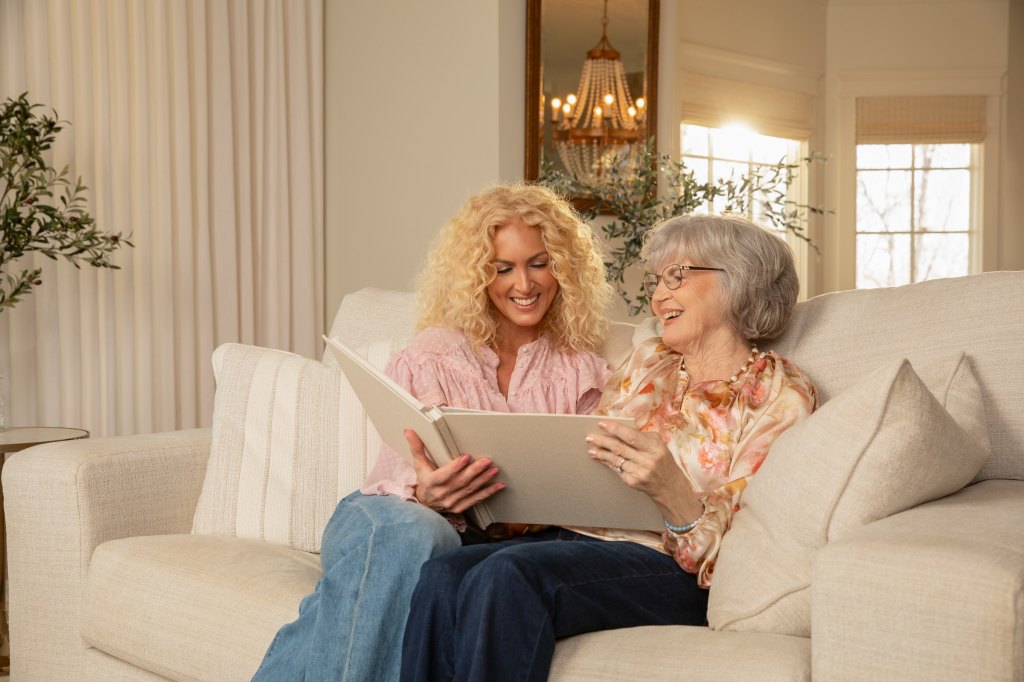
Schlapman also finds it helpful to look at caregiving through the lens of family history. “I’ve watched my relatives take care of the older ones in the family, and it’s just another step. Now, I’m in that position, and someday my kids are probably going to take care of me,” she says. “I watched my mother take care of her mother, who passed from breast cancer, and that was such a sad struggle, but she wouldn’t have had it any other way. It’s a privilege.”
As Kimberly Schlapman beautifully illustrates, seeing caregiving as a privilege rather than a burden truly makes all the difference.
Conversation
All comments are subject to our Community Guidelines. Woman's World does not endorse the opinions and views shared by our readers in our comment sections. Our comments section is a place where readers can engage in healthy, productive, lively, and respectful discussions. Offensive language, hate speech, personal attacks, and/or defamatory statements are not permitted. Advertising or spam is also prohibited.