‘The Forsytes’: What’s Fact and What’s Fiction in PBS’ Lavish New Victorian Series
From women's rights battles to forbidden romance, here's the real story behind the show!

Key Takeaways
- PBS Masterpiece premiered 'The Forsytes,' a reimagining of John Galsworthy's classic novels.
- The TV series shifts focus from the male-centric 1920s to a female-centric 1880s perspective.
- Real Victorian history, including the 1882 Married Women's Property Act, shapes the drama.
Poldark, All Creatures Great and Small, Sanditon…PBS Masterpiece is revered for its lavish period dramas, and its latest offering, The Forsytes, is brimming with unforgettable characters, exquisite costumes and a sweeping Victorian-era London setting. Plus, the TV series comes from the creators of Poldark so every episode serves up top-tier production and downright dazzling drama. Writer Debbie Horsfield and producer Damien Timmer previously collaborated on Poldark, but while creating The Forsytes they wanted to make a version that would resonate right now. “In our ever more divided society, there is a real parallel with that late Victorian era,” Timmer told RadioTimes. “We wanted to take a magnifying glass to this extremely wealthy family who are the 1 percent.” But how much of the onscreen scandal is rooted in reality? Or is the drama in The Forsytes only partly inspired by true events?
Here, we answer those questions and dive into the true history behind The Forsytes TV series! From the rigid social hierarchies to the landmark legal battles of the era, keep scrolling to see how the real-life history of Victorian London shaped PBS’ new show—plus, learn more about the cast and how to watch!
Is ‘The Forsytes’ based on a book?
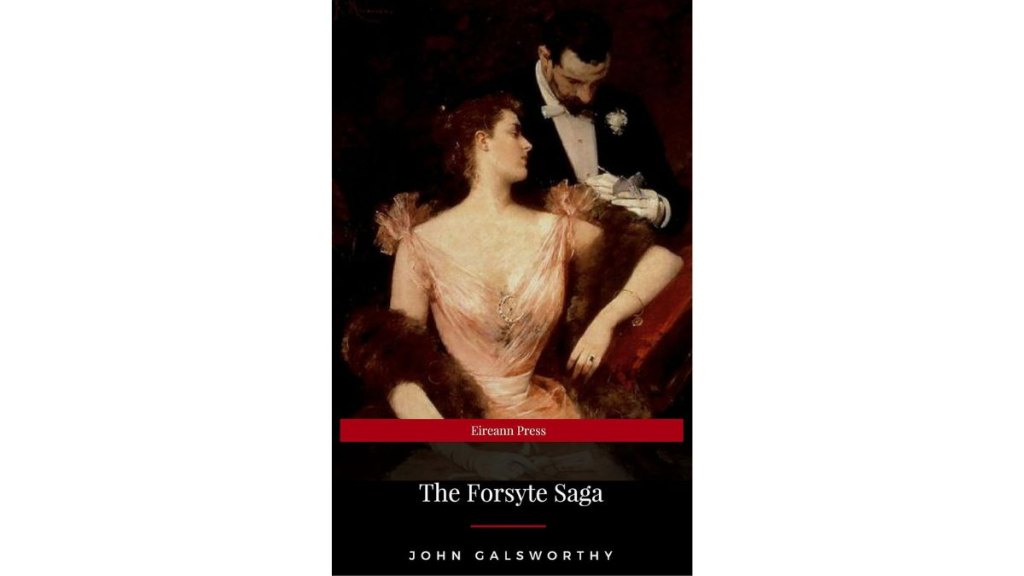
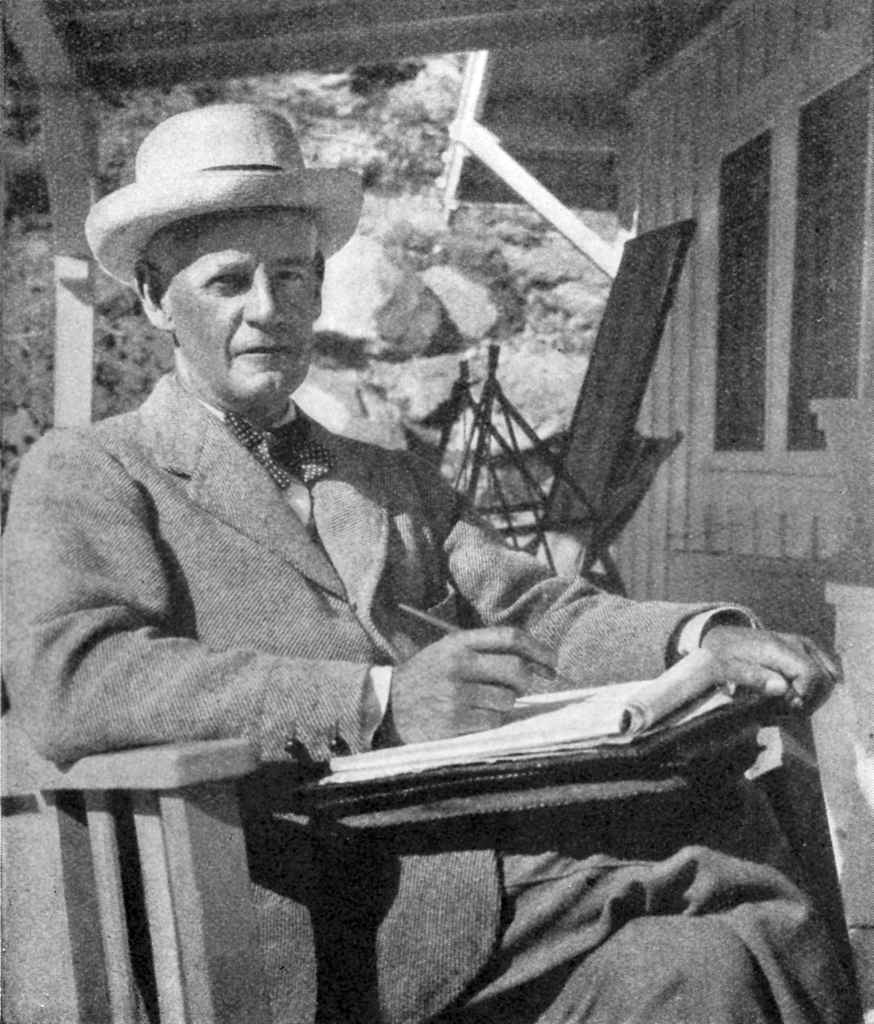
Yes! The Forsyte Saga is a three-book series by Nobel Prize–winning author John Galsworthy, published between 1906 and 1921. The saga follows the intertwined lives, fortunes and scandals of a wealthy English family across three generations.
Set against the shifting backdrop from the late Victorian era through the 1920s, the story centers on solicitor Soames Forsyte, whose rigid sense of ownership—over property, status and even love—clashes with a rapidly changing London. Galsworthy’s series follows the Forsyte family through the broader social transformations reshaping Britain at the turn of the century—most notably, the evolving role of women in both public and private life.

Is ‘The Forsytes’ based on a real family?
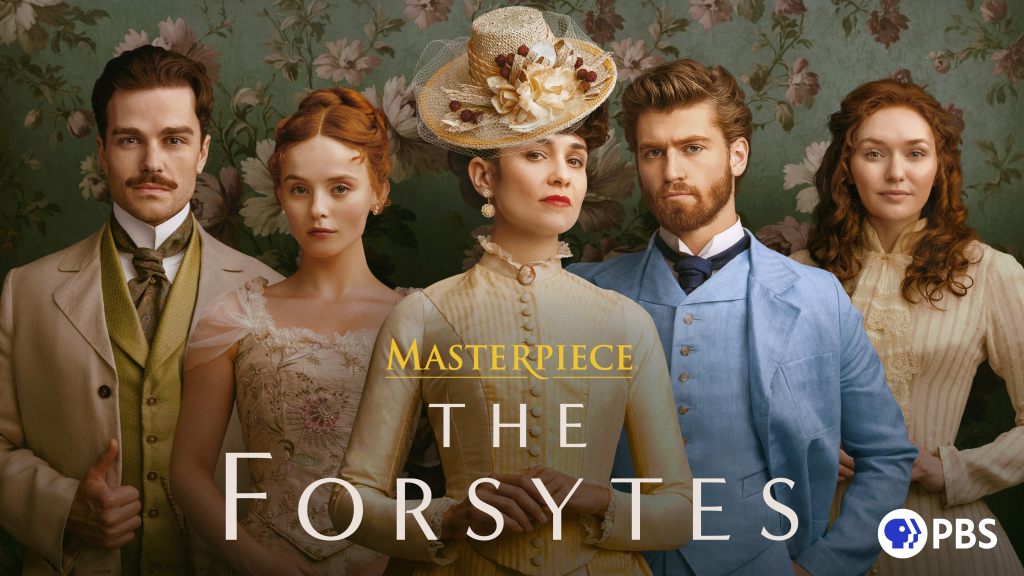
Not exactly. While the historical events that occurred in Galsworthy’s novels are based on real-life events and pivotal cultural moments during this period in London, the Forsyte family—and the entire cast of characters—is fictional. But it’s likely there were many families during this time just like the Forsytes.
The PBS series is described as a reimagining of Galsworthy’s books and one major book-to-screen difference is the time period. The TV series steps away from the book’s male-centric 1920s point-of-view into a more female-centric 1800s-set view.
This key time period change gives the female characters more agency throughout the show. “We were clear from the word go that we weren’t going to do a straight adaptation of these male-centric novels,” Horsfield told RadioTimes. “What we wanted to do was redress the balance by fleshing out the women—but not at the expense of the men.”

‘The Forsytes’: What’s fact, what’s fiction?
According to PBS’ official logline for The Forsytes, “the show chronicles the lives of four generations of an upper-class family of stockbrokers, against the backdrop of a rapidly evolving late-Victorian world.” On the show, the Forsytes are considered “new money.” They are only a few generations removed from being farmers, having recently built their fortune through smart investments, which allow them to live luxuriously, but without inherited land or titles.
Though the characters are fictional, the “nouveau rich” lifestyle was very real during this time period in London. These families stepping into new wealth created a major shift in British society. Suddenly, “old money” families had to compete for power and respect with newer wealthy families. But while the pretentious upper class usually looked down on factory owners, they were a bit more welcoming to wealthy bankers and brokers. Soon, families like the fictional Forsytes realized that if they mingled well and married well, they could potentially buy their way into high society just as easily as they built their bank accounts.
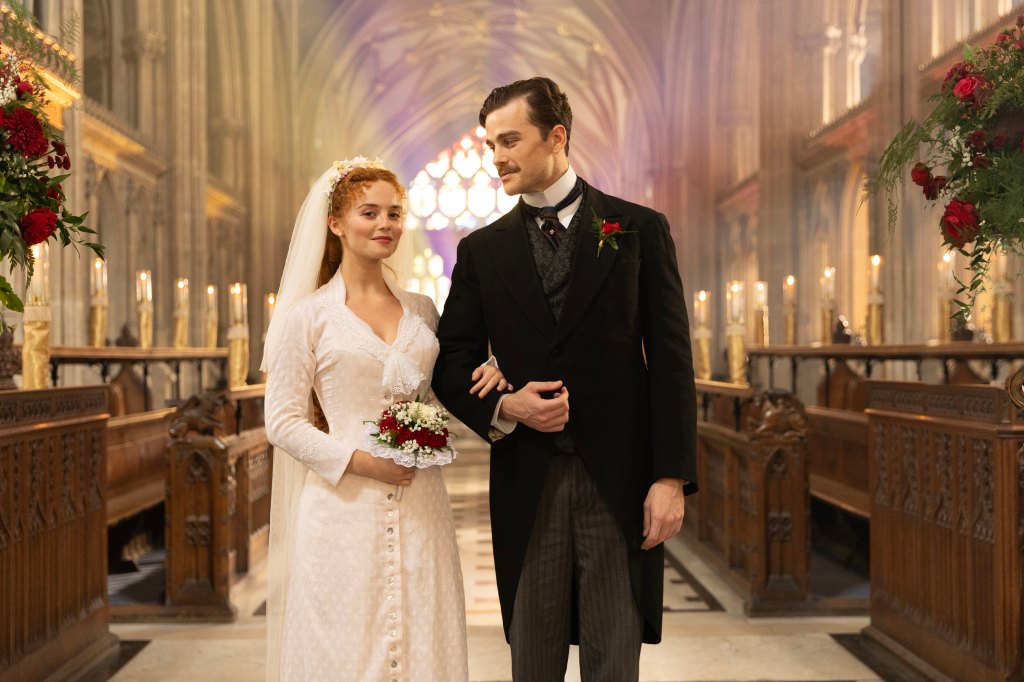
The other events in The Forsytes that were inspired by real events: women’s rights—or lack thereof. For most of the 1800s, getting married meant women legally “disappeared.” Husbands ran the household and legally owned everything the wife brought into the marriage. But early feminists fought to change this and in 1882 the Married Women’s Property Act was passed. This law finally gave wives the right to own and manage their own money.
In the series, Soames Forsyte captures the reality of marriage at this time by treating his wife, Irene, as a possession rather than a partner. His controlling behavior highlights the exact Victorian mindset that the 1882 Act fought to dismantle.

More ‘Poldark’ connections: From Demelza to Louisa!


There’s another exciting connection between The Forsytes and Poldark that PBS superfans are thrilled about: Eleanor Tomlinson! The 33-year-old British actress is beloved for playing the fan-favorite character Demelza on Poldark.
In The Forsytes, Tomlinson stars as the mysterious Louisa Byrne, an independent former dressmaker—and former love of Jo Forsyte (played by Danny Griffin). Horsfield wanted an actress to bring strength, humor and vulnerability to Louisa—and she found that with Tomlinson. “It’s very different to the character she played previously for me,” said Horsfield. “But I knew she’d be brilliant.”
How to watch ‘The Forsytes’
The Forsytes premiered on March 22, 2026. All six episodes are now streaming on the PBS app and PBS Masterpiece on Prime Video, with new episodes airing weekly on PBS Sundays at 9/8c.
Conversation
All comments are subject to our Community Guidelines. Woman's World does not endorse the opinions and views shared by our readers in our comment sections. Our comments section is a place where readers can engage in healthy, productive, lively, and respectful discussions. Offensive language, hate speech, personal attacks, and/or defamatory statements are not permitted. Advertising or spam is also prohibited.