‘Stargate Atlantis’ Cast Then and Now: How Jason Momoa and Costars Conquered Sci-Fi
From Pegasus pioneers to Marvel, DC and beyond, see how the 'Stargate Atlantis' cast turned one lost city into a launchpad

When Stargate Atlantis premiered in 2004, more than expanding the Stargate universe, it launched an entirely new sci-fi adventure built around exploration, discovery and the mystery of ancient technology left behind by the Ancients. The series followed an international expedition traveling through the Stargate to the Pegasus Galaxy, where they discovered the legendary city of Atlantis and a new set of dangers waiting beyond the Milky Way.
But while the show’s setting was extraordinary—a lost city filled with powerful alien technology—its success ultimately came down to the people exploring it. The Stargate Atlantis cast brought together scientists, soldiers, and explorers whose personalities and relationships helped define the tone of the series across five seasons and expanded the Stargate franchise.
The idea for Atlantis didn’t appear overnight. According to series co-creator and executive producer Brad Wright, the concept began taking shape years earlier while Stargate SG-1 was still firmly established.
“The thing about Atlantis is that as far back as Seasons 5 and 6 of Stargate SG-1, MGM and I started having conversations that it was time to start thinking about what the next iteration of Stargate would be,” he details. “I started imagining the idea of Atlantis being one of the Ancients’ first places on Earth and making that the basis of a new show. I thought it was intended to be a handoff. ‘Lost City’ was intended to be an introduction to a series that handed off from SG-1 to a new series called Atlantis. But when Syfy said, ‘We want both,’ it completely changed everything we were going to do with Atlantis. By then I’d already asked Robert Cooper if he wanted to co-create the series, because A, he deserved it, and B, he’s a really smart guy.”

That decision—to keep SG-1 running while launching a second series—forced the creative team to rethink the structure of the show. Instead of replacing one series with another, Atlantis would exist alongside it, exploring a completely different corner of the franchise’s mythology.
Says Wright, “What we didn’t want was that feeling you get when two shows run parallel where you’re constantly asking, ‘Why isn’t SG-1 dealing with this problem?’ or ‘Why isn’t Jack O’Neill in charge of this operation?’ That’s why Atlantis ended up being set in the Pegasus Galaxy. There could still be crossover and a connection between the two shows, but the day-to-day would be very different. The enemy would be very different. Doing it within our own galaxy would have been complicated because on SG-1 you could go anywhere through a gate and potentially trip over each other.”
That creative choice shaped everything that followed. By relocating the story to another galaxy, the writers could introduce new civilizations, new enemies—most notably the Wraith—and a different kind of expedition centered on survival and discovery rather than Earth-based military operations.
Just as importantly, the leadership structure of the Atlantis mission would look very different from the Stargate Command audiences had come to know. “It still had the same sense of fun, the same sense of humor, the same sense of adventure—but it wasn’t led by the military,” he points out. “It was introduced through the military, but we wanted the leader to be Dr. Weir. That came from one of the original concepts: that the expedition would ultimately be civilian-led. That dynamic—of a colonel reporting to a civilian woman—was something people accused us of stealing from Battlestar Galactica, even though we were actually a year earlier. Be that as it may, that’s how Atlantis was born.”

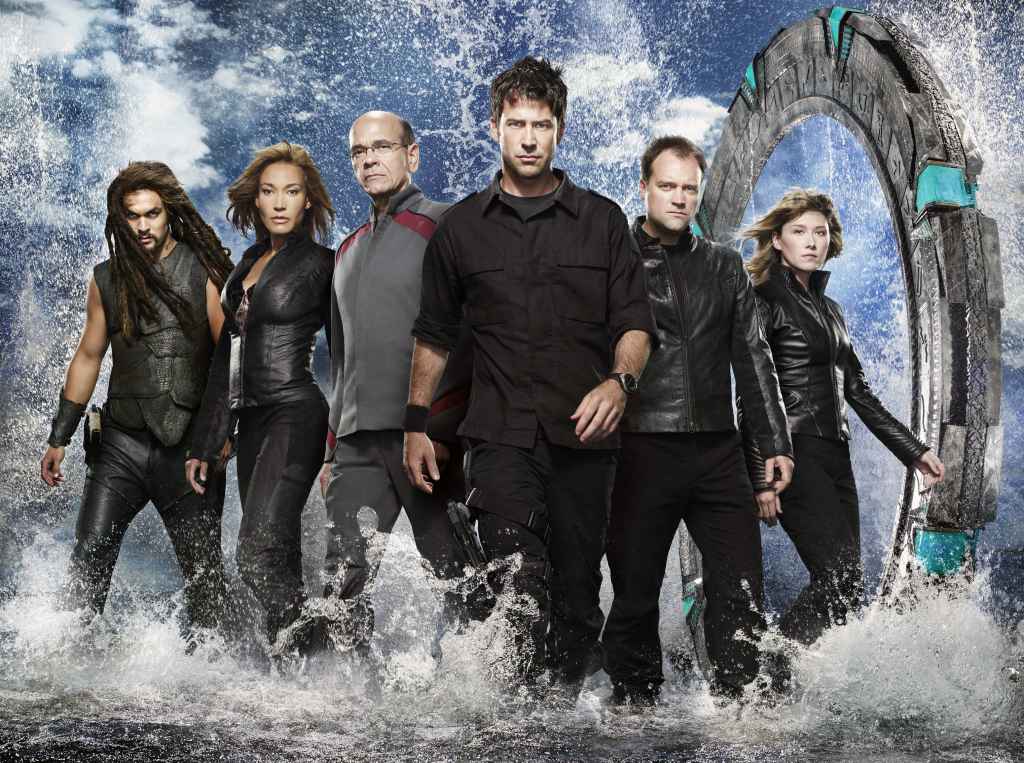
That structure helped define the personalities within the Stargate Atlantis cast—a team that blended military discipline with scientific curiosity and diplomatic leadership. Over five seasons, actors including Joe Flanigan, Tori Higginson, Rachel Luttrell, David Hewlett, Jason Momoa, Jewel Staite, Robert Picardo and others helped transform the lost city of Atlantis into one of the franchise’s most beloved settings.
What follows is a look at what happened to the Stargate Atlantis cast—where they came from before joining the expedition and what their careers and lives looked like after the gates closed on Atlantis.
Joe Flanigan (Lt. Colonel/Colonel John Sheppard)
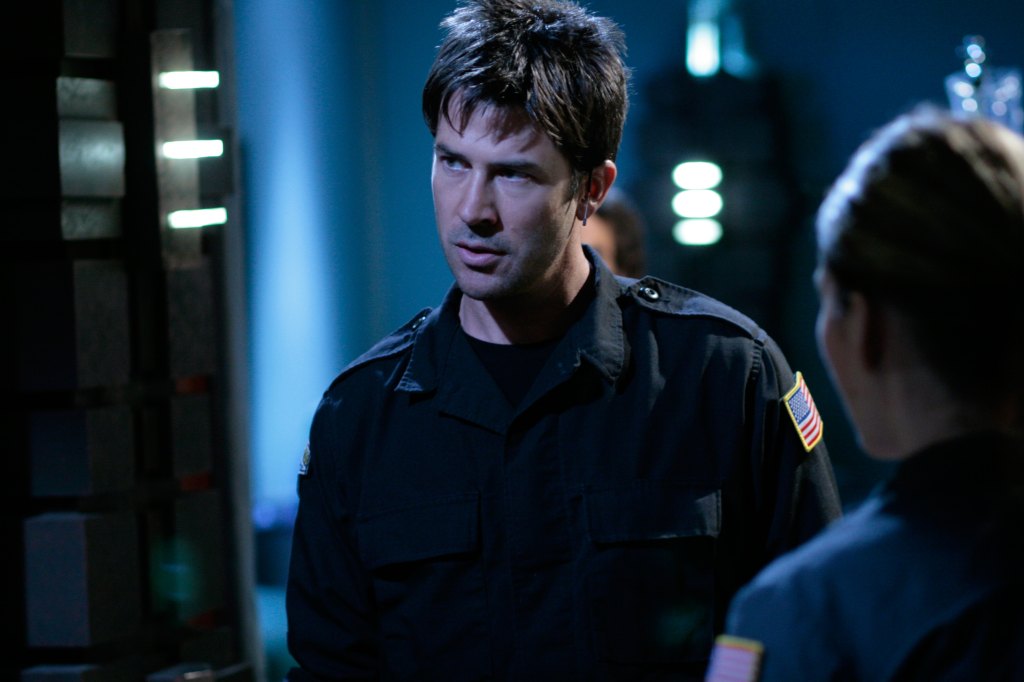
Life before Stargate Atlantis: Joe Flanigan entered Stargate Atlantis without the household-name recognition of some of his franchise predecessors, but he brought with him a steady resume built on television drama and a somewhat unconventional personal history. Born in Los Angeles and raised in Reno, Nevada, Flanigan was adopted as an infant and grew up in a family that valued education and intellectual curiosity. He attended the University of Colorado Boulder, earning a degree in history before spending time studying abroad in France, where he briefly considered a diplomatic career.
After working a variety of jobs—including time on a cattle ranch and working on Capitol Hill in Washington, D.C. —Flanigan eventually moved to Los Angeles to pursue performance more seriously, studying with Howard Fine. He trained formally and began landing guest spots throughout the 1990s and early 2000s, appearing on such shows as Sisters, Dawson’s Creek, First Monday and Providence. A recurring role as attorney Charlie Baird on Judging Amy, in particular, gave him steady exposure.
When Stargate Atlantis was being developed as a companion series to Stargate SG-1, producers were looking for a leading man who could convey intelligence, dry humor, and quiet heroism without duplicating Richard Dean Anderson’s Jack O’Neill. Flanigan won the role of Lt. Colonel John Sheppard—later promoted to full Colonel—and with it, the responsibility of anchoring a new branch of the franchise in the Pegasus Galaxy.
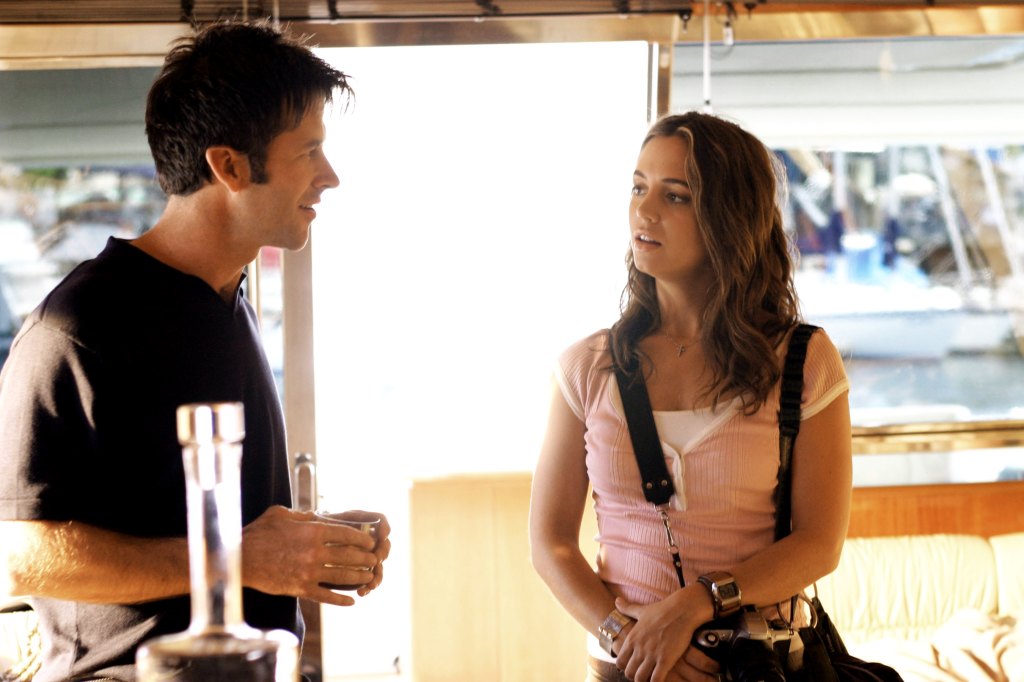
Life after Stargate Atlantis: When Stargate Atlantis concluded in 2009 after five seasons, Flanigan had firmly established himself as the face of the spinoff. Unlike some genre actors who immediately transition into another long-running series, he took a more measured approach to his post-Atlantis career.
He appeared in independent films and television projects, including guest spots and supporting roles, but none that carried the same franchise weight as Atlantis. He was attached at one point to a planned direct-to-DVD continuation film, Stargate: Extinction, which was ultimately canceled during MGM’s financial restructuring. Flanigan remained closely tied to the Stargate community, regularly participating in fan conventions around the world and maintaining an active presence within the franchise’s loyal fan base.
In the 2010s, he expanded his interests beyond acting. An avid outdoorsman, Flanigan pursued long-distance endurance events and even participated in endurance dog-sled racing events in Alaska, reflecting a personal affinity for rugged challenges that mirrored Sheppard’s adventurous streak.
Personal life: Flanigan married actress and painter Katherine Kousi in 1996, and the couple had three sons before divorcing in 2014. Private by nature, Flanigan has tended to keep his personal affairs out of the spotlight. He has spoken openly about being adopted and has expressed gratitude for his upbringing and the stability it provided.
Torri Higginson (Dr. Elizabeth Weir)
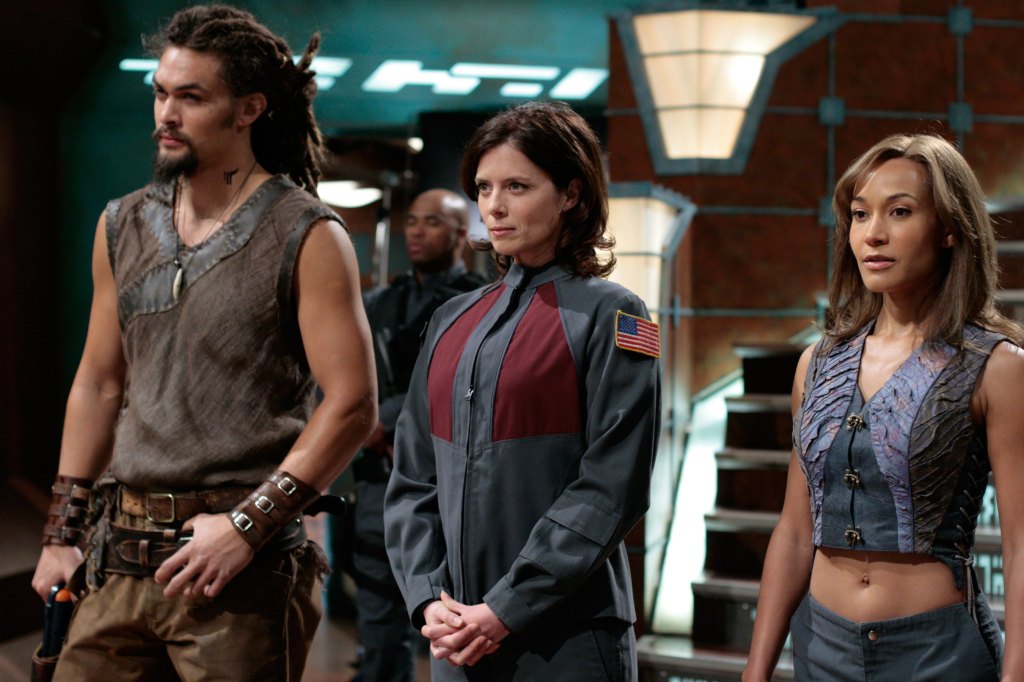
Life before Stargate Atlantis: Torri Higginson arrived on Stargate Atlantis with a solid background in both Canadian and international television. Born in Burlington, Ontario, she trained at the Guildhall School of Music and Drama in London, grounding herself in classical performance before transitioning into screen work.
Her early career included guest appearances on various television series and roles in Canadian productions, but one of her most visible early credits was in the TekWar television films and series based on the novels by William Shatner.
Before stepping into the Stargate universe full-time, Higginson had a recurring role on the Canadian drama This Life. When the character of Dr. Elizabeth Weir was introduced on Stargate SG-1, she was initially portrayed by Jessica Steen in her first appearance. For the launch of Atlantis, producers recast the role, seeking a performer who could balance diplomacy, authority and emotional intelligence. Higginson assumed the part and became the civilian leader of the Atlantis expedition—a grounding counterpoint to the military command structure embodied by Joe Flanigan’s John Sheppard. She remained a central figure through the first three seasons, with a reduced presence in Season 4 before departing the series following “Be All My Sins Remember’d.”
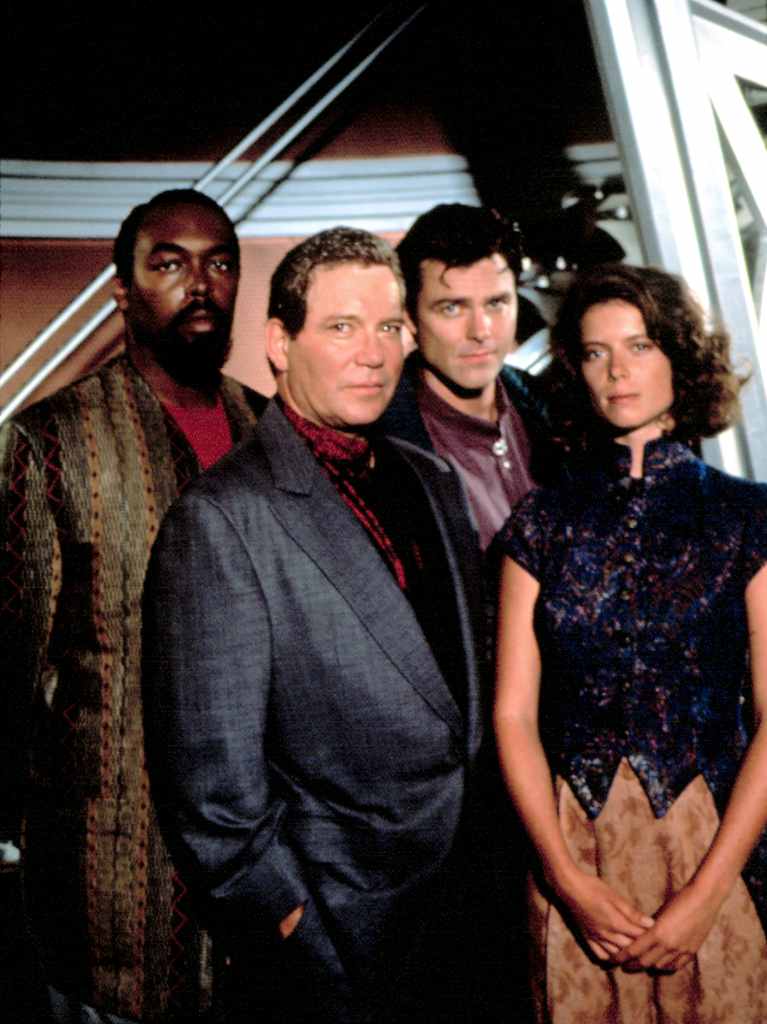
Life after Stargate Atlantis: Following her exit from Atlantis, Higginson continued working steadily in television and independent film. She appeared in a range of Canadian and U.S. productions, including guest roles in genre and procedural series.
One notable recurring role came in Season 3 of the Syfy series Dark Matter, where she played Commander Delaney Truffault. The role marked a return to science fiction and introduced her to a new generation of viewers while reconnecting her with fans of space-based ensemble dramas.
Personal life: Higginson has generally kept her personal life private, maintaining a low public profile outside of professional appearances. Known among colleagues and fans for her thoughtful demeanor and articulate presence, she has spoken about the importance of strong female characters in science fiction—a theme reflected in her work as Elizabeth Weir.
Rachel Luttrell (Teyla Emmagan)
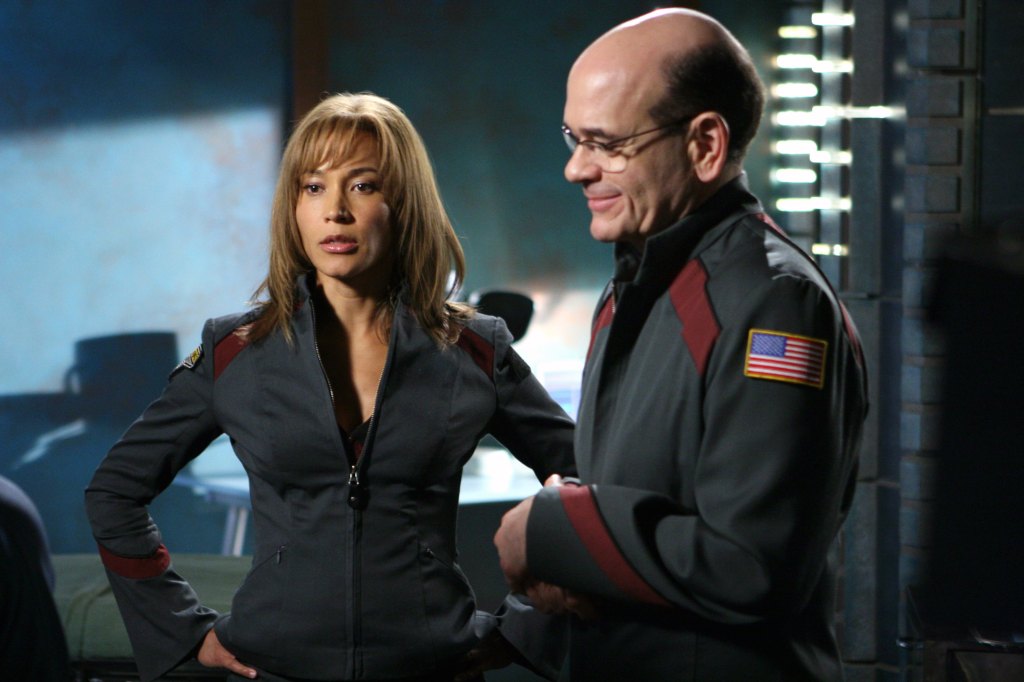
Life before Stargate Atlantis: Rachel Luttrell entered Stargate Atlantis with a background that combined formal artistic training and steady television experience. Born in Dar es Salaam, Tanzania, and raised in Toronto, Canada, she grew up in a musically inclined family—her father was a doctor and her mother a former ballerina. She trained in ballet and piano from a young age and was accepted into the prestigious Royal Winnipeg Ballet School in Winnipeg before pivoting toward musical theater and acting..
She later studied at York University in Toronto and later trained in performance, eventually landing roles in stage productions and television. Early screen appearances included guest roles on series such as ER, Charmed, The Outer Limits and the Canadian legal drama Street Legal.
When Atlantis was developed as a companion to Stargate SG-1, producers were building a new ensemble that reflected the cultural complexity of the Pegasus Galaxy. The character of Teyla Emmagan—leader of the Athosians—required someone who could project authority, physical capability, and emotional depth. Luttrell won the role and became one of the core members of the expedition team. Teyla’s combination of warrior skill, diplomatic sensitivity, and spiritual grounding added a distinctive dimension to the series, particularly as she bridged the human expedition and the indigenous peoples of Pegasus.
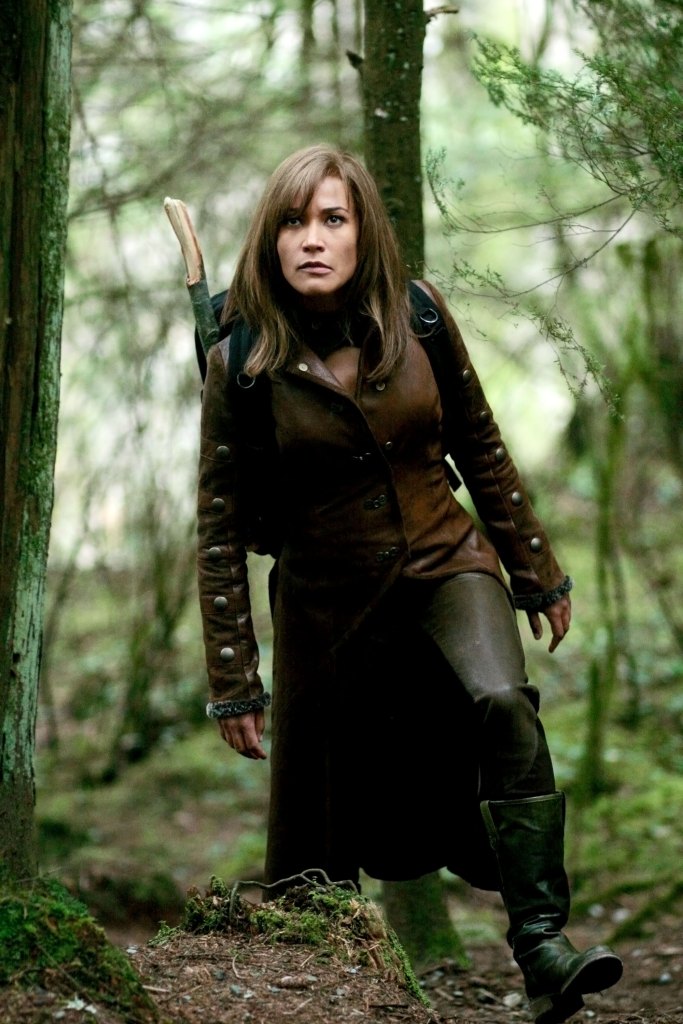
Life after Stargate Atlantis: Following the conclusion of Atlantis in 2009, Luttrell continued to work steadily in television and film, including a recurring role in Blindspot (2016-2020) as the recurring role of Sarah Weller. She appeared in guest roles on a variety of series, including genre and procedural dramas, maintaining a presence in North American television production. Although plans for a follow-up Atlantis film were ultimately shelved during MGM’s financial restructuring, Luttrell has remained closely identified with the franchise and continues to engage actively with its fan community.
Personal life: Luttrell married Loyd Bateman in 2002, and the couple has two sons. Her first pregnancy was written into Atlantis during Season 4, making Teyla one of the few action-oriented science fiction characters whose motherhood became an integral part of the narrative rather than an off-screen detail, resulting in the introduction of Teyla’s son, Torren Emmagan.
Rainbow Sun Francks (Lt. Aiden Ford)
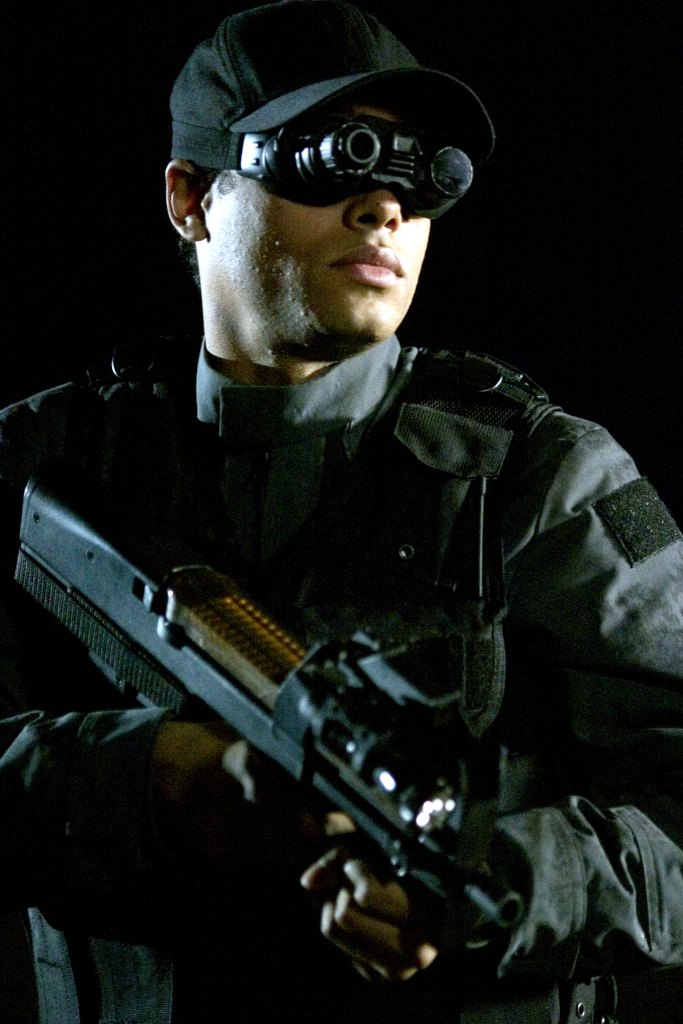
Life before Stargate Atlantis: Rainbow Sun Francks came to Stargate Atlantis with both acting experience and a recognizable surname in Canadian entertainment. Born in Toronto, he is the son of actor Don Francks and the brother of actress Cree Summer, making performance a natural part of his upbringing. He was educated at the Etobicoke School of the Arts, where he developed his craft in music and drama.
Francks began working in television in the 1990s, appearing in Canadian productions and gradually expanding into U.S. projects. He had guest roles on series such as The Outer Limits and appeared in films including Tim Burton’s Planet of the Apes (2001, as an uncredited ape soldier). He was also a regular on the Canadian drama Train 48, which aired in the early 2000s.
When Atlantis was launched, Francks was cast as Lt. Aiden Ford, a young Marine officer assigned to the Pegasus expedition. Ford served as a steady military presence within the core team during the first season, often operating as a bridge between John Sheppard’s leadership and the rank-and-file soldiers stationed in Atlantis. The role marked Francks’ highest-profile recurring part to date.
In Season 2, Ford’s storyline took a dramatic turn when exposure to a Wraith enzyme altered his physiology and psychology. The arc shifted the character from dependable officer to unstable wildcard, culminating in Ford’s departure from the main cast. Though he made subsequent appearances, the role remained primarily associated with the series’ early foundation.
Life after Stargate Atlantis: After leaving regular status on Atlantis, Francks continued working in television, particularly within Canadian productions. One of his more notable later appearances came in the Syfy series The Expanse, where he had a recurring role as Martian officer Lieutenant Babbage in early episodes. Additional credits include the Canadian series The Listener and Murdoch Mysteries.
Personal life: Francks has generally maintained a private personal life. Growing up in a creative family deeply embedded in Canadian arts culture influenced his career path, and he has spoken about the value of artistic community and collaboration.
David Hewlett (Dr. Rodney McKay)
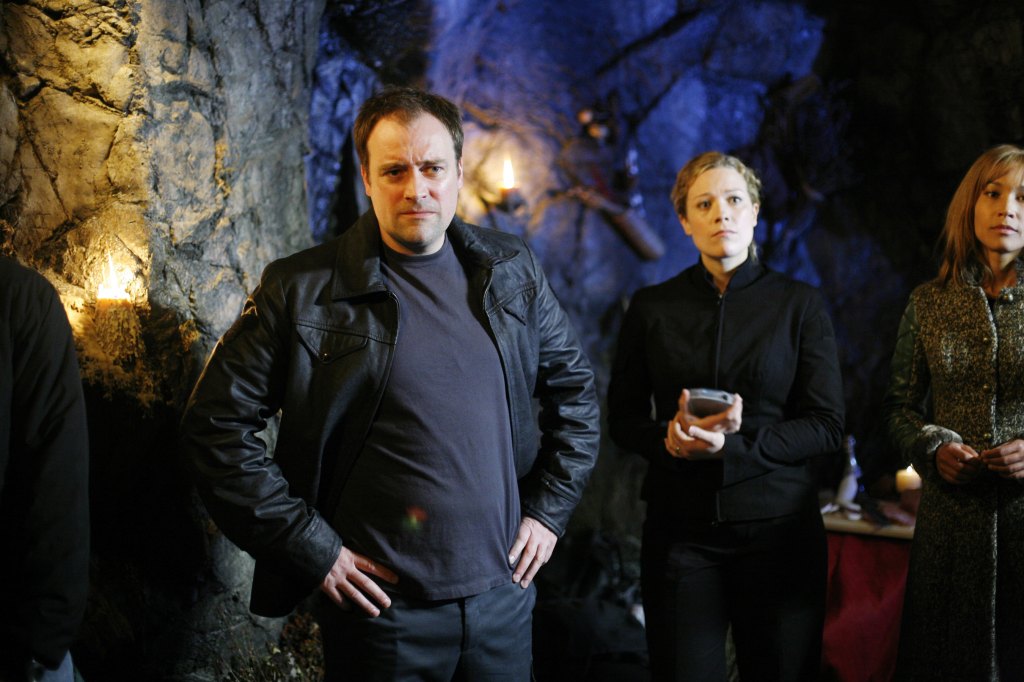
Life before Stargate Atlantis: David Hewlett’s association with the Stargate franchise predates Atlantis by several years. Born in Redhill, Surrey, England, and raised in Toronto, Canada, Hewlett left high school at 15 but later earned his diploma while pursuing acting. He was largely self-taught, driven by an early fascination with computers and storytelling—two interests that would later echo in the character of Rodney McKay.
Hewlett began acting in the 1980s, appearing in Canadian and U.S. television productions. Early credits included roles in series such as The Edison Twins, The Ray Bradbury Theater and Kung Fu: The Legend Continues. He also worked in film and independent projects.
His character of Dr. Rodney McKay in Season 6 of SG-1, “48 Hours.” Originally intended as a recurring role, McKay was introduced as a brilliant but abrasive astrophysicist—a foil to Samantha Carter. Hewlett’s performance made the character memorable enough that when Atlantis was developed, McKay became part of the new expedition team. On Atlantis, Rodney McKay evolved significantly. While still quick with sarcasm and prone to ego-driven outbursts, the character gradually developed emotional depth and heroism.
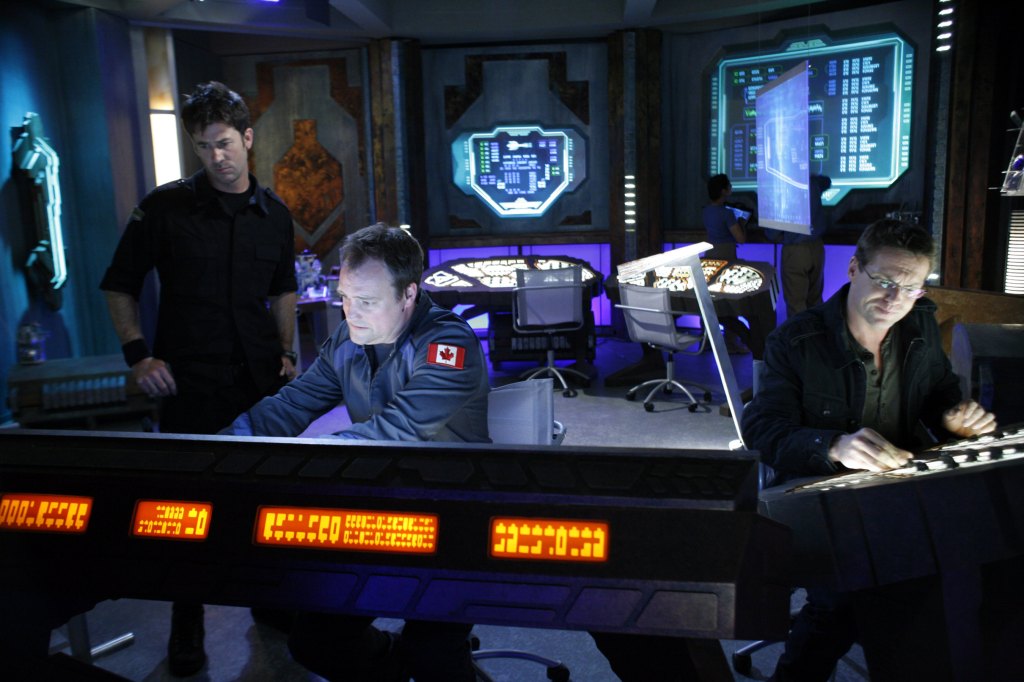
Life after Stargate Atlantis: Following the end of Atlantis in 2009, Hewlett continued to act while expanding his work behind the camera. He had already begun writing and directing independent films during his time on the series, including the cult horror-comedy A Dog’s Breakfast (2007), which featured several Stargate cast members.
Post-Atlantis, Hewlett appeared in guest roles across various television series and returned briefly to the Stargate world in Stargate Universe, reprising McKay the Season 2 episode “Seizure.” He also appeared in genre programming such as The Strain and See.
Beyond acting, Hewlett has continued writing, directing, and developing projects, often embracing independent filmmaking and digital platforms. His technical curiosity—long a personal interest — has also shaped his creative pursuits, including podcasting and technology-focused ventures.
Personal life: Hewlett married actress Soo Garay in 2000; the couple later divorced. In 2008, he married Jane Loughman, and they have two children together. Family life has played a central role in his post-Atlantis years.
Jason Momoa (Ronon Dex)
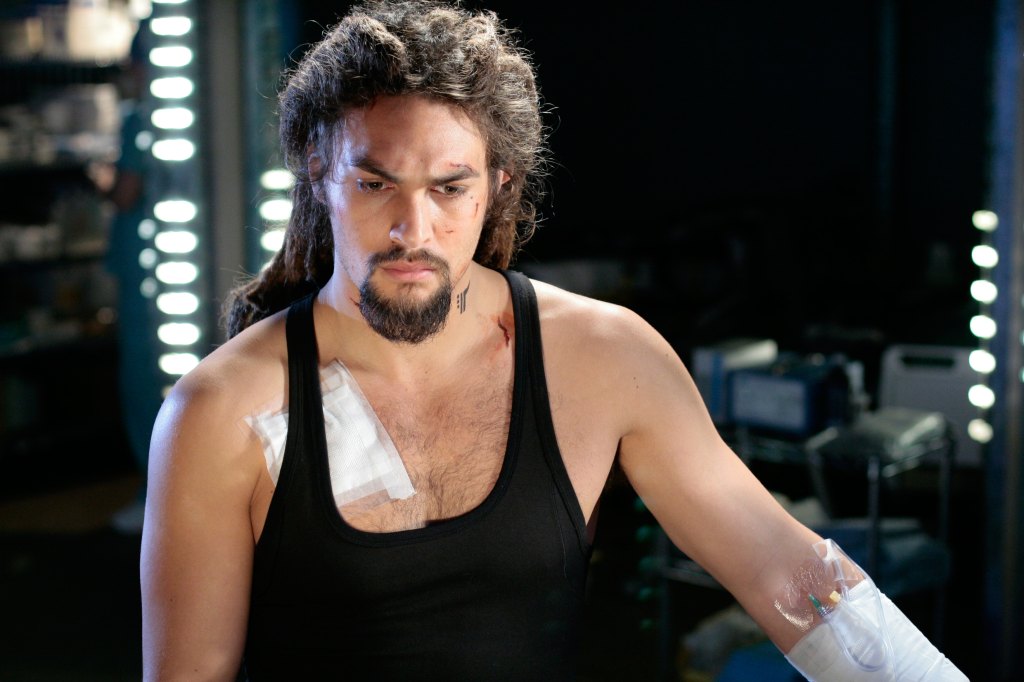
Life before Stargate Atlantis: Jason Momoa entered Stargate Atlantis relatively early in his career, though he already had experience in action-oriented television. Born in Honolulu, Hawaii, and raised primarily in Norwalk, Iowa, Momoa was discovered as a model in his late teens and won Hawaii’s Model of the Year competition in 1999. His physical presence quickly translated into screen opportunities.
His first major acting role came as Jason Ioane on Baywatch Hawaii, where he appeared from 1999 to 2001. He later appeared on North Shore and continued building television experience, often cast in physically demanding roles that emphasized intensity and athleticism.
When Atlantis entered its second season, producers sought a new dynamic presence to join the core team following the departure of Rainbow Sun Francks as a regular. Momoa was cast as Ronon Dex, a Satedan warrior who had spent years as a fugitive “runner” hunted by the Wraith. The character was taciturn, physically formidable and emotionally scarred—a contrast to the more verbally driven members of the team.
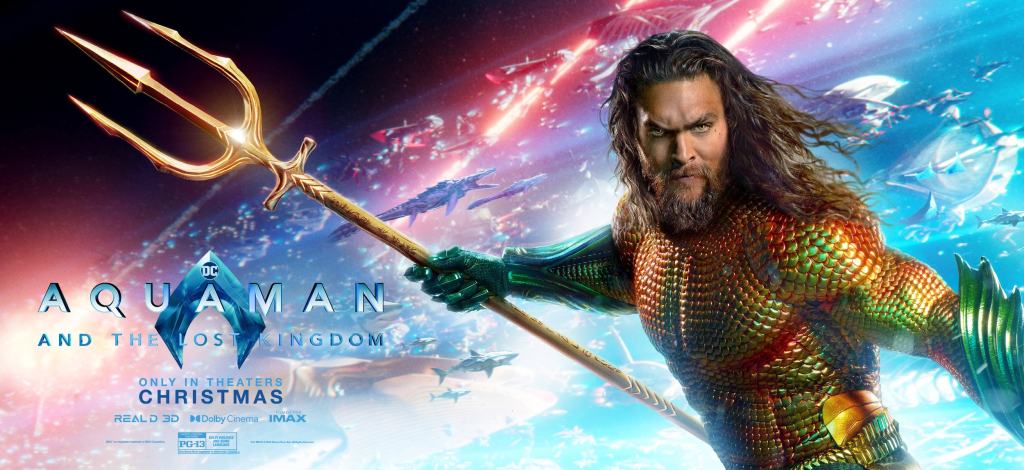
Life after Stargate Atlantis: After Atlantis concluded in 2009, Momoa’s career accelerated dramatically soon after Atlantis ended. In 2011 he appeared as Khal Drogo in HBO’s Game of Thrones, a role that brought him international attention. Though his time on the series was brief, the impact was substantial, repositioning him from genre regular to global breakout figure.
That momentum continued when he was cast as Aquaman in the DC Extended Universe, appearing briefly in Batman v Superman: Dawn of Justice, followed by Justice League (2017) and later starring in Aquaman, which became one of DC’s highest-grossing films. The success of Aquaman transformed Momoa into a leading man in major studio productions.
He also headlined Apple TV+’s See and appeared in large-scale franchises such as Dune and The Fast and the Furious. Unlike several of his Atlantis co-stars, Momoa transitioned fully into A-list blockbuster territory, becoming one of the most recognizable former members of the Stargate universe and will next be seen as the space bounty hunter Lobo in Supergirl, arriving in theaters on June 26, 2026.
Personal life: Momoa and actress Lisa Bonet were together for more than a decade before officially marrying in 2017. The couple, who share two children, separated in January 2022, and their divorce was finalized two years later. He also has maintained a close relationship with Hawaii and has been active in environmental and cultural advocacy efforts, particularly those involving Native Hawaiian rights and land preservation.
Paul McGillion (Dr. Carson Beckett)
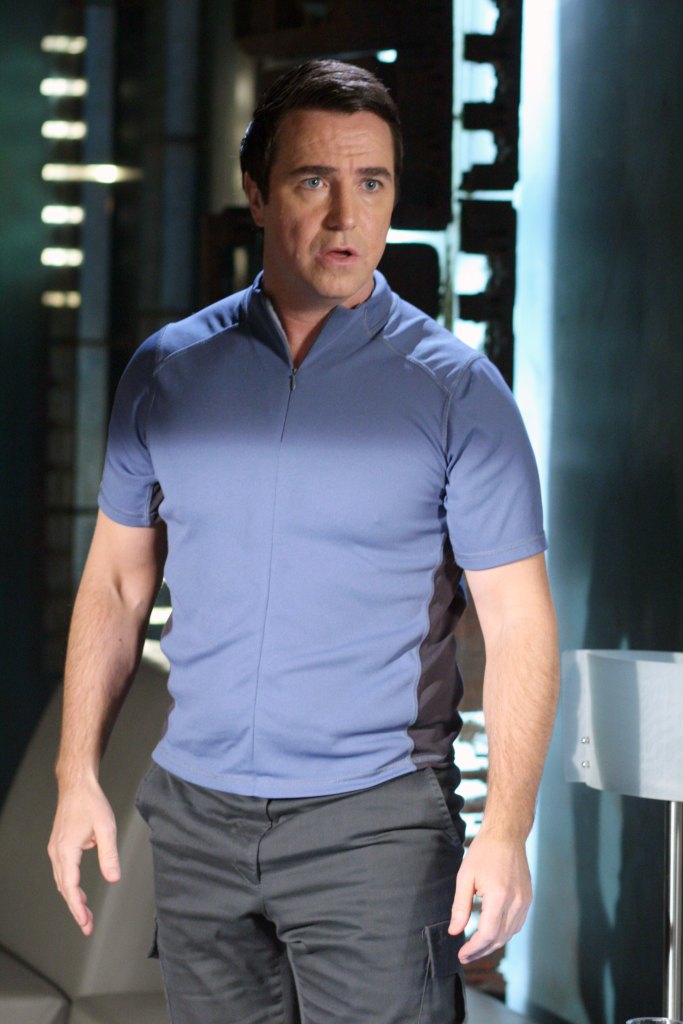
Life before Stargate Atlantis: Paul McGillion entered Stargate Atlantis with an extensive career in film and television, particularly within Canadian productions. Born in Paisley, Scotland, he emigrated with his family to Canada as a child and was raised in Vancouver. Initially pursuing a career in education, McGillion earned a teaching degree and worked as a physical education teacher before committing fully to acting.
He trained at Studio 58, Langara College’s professional theatre program in Vancouver. Throughout the 1990s and early 2000s, he appeared in guest roles on series such as The X-Files, The Outer Limits and Smallville. He also had supporting roles in feature films, including The Day After Tomorrow.
When Atlantis launched, McGillion was cast as Dr. Carson Beckett, the expedition’s chief medical officer. The character—a compassionate Scottish physician with a dry sense of humor—quickly became a grounding emotional force within the ensemble. Beckett’s warmth and moral clarity offered a counterbalance to the scientific intensity of Rodney McKay and the military decisiveness of John Sheppard.
Though part of the core cast from the beginning, McGillion’s popularity with viewers elevated his prominence on the show. His character’s unexpected death in Season 3 generated significant fan response, ultimately leading to a creative workaround in later seasons that allowed Beckett to return in a limited capacity. The arc remains one of the most discussed storylines in the series’ run.
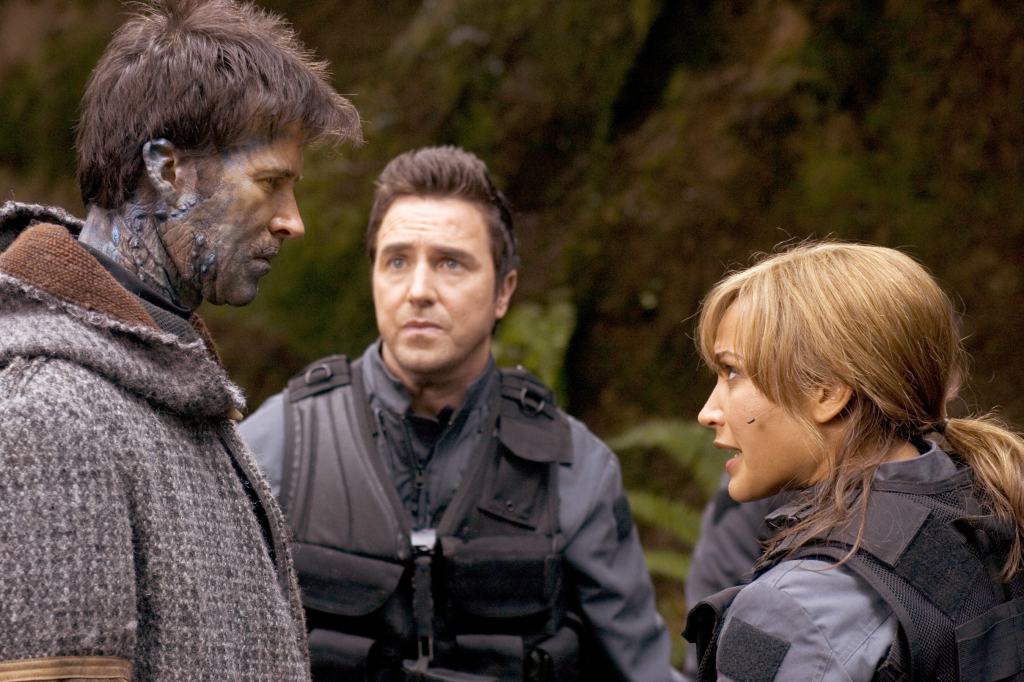
Life after Stargate Atlantis: Following Atlantis, McGillion continued in film and television. Among his more visible post-Atlantis work were roles in series such as Once Upon a Time and Arrow, as well as appearances in Hallmark Channel productions and independent films.
Personal life: McGillion has generally kept his personal life out of the spotlight. Known for his approachable demeanor and self-deprecating humor, he has often spoken about his gratitude for the longevity the Stargate franchise provided.
Amanda Tapping (Colonel Samantha Carter)
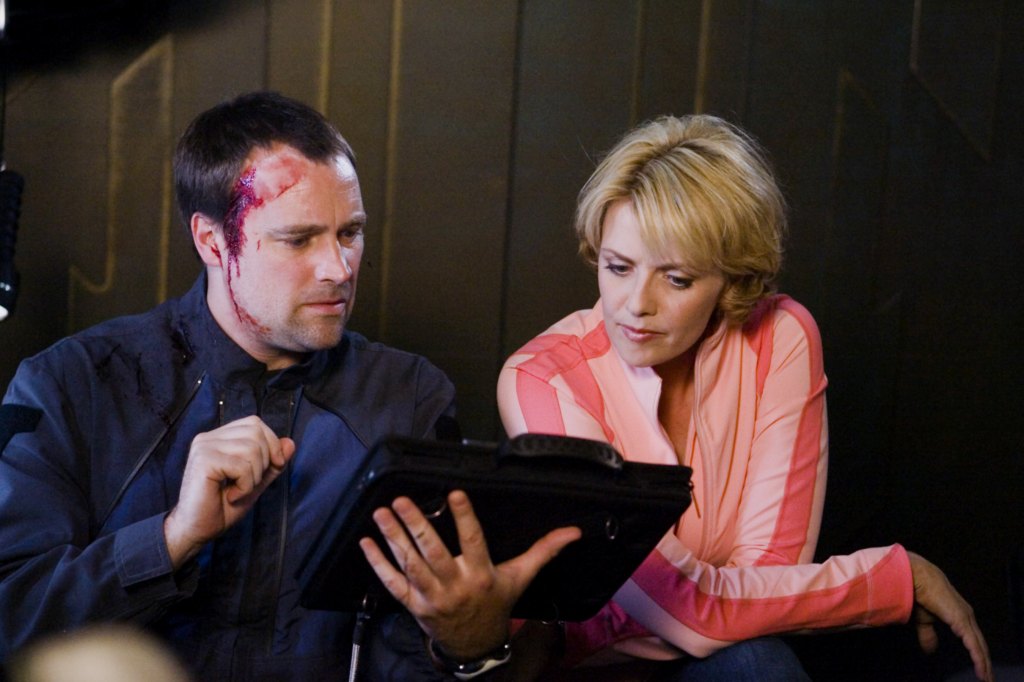
Life before Stargate Atlantis: Amanda Tapping was already one of the foundational pillars of the Stargate franchise long before she stepped onto the Atlantis set. Born in Rochford, Essex, England, and raised in Ontario, Canada, she initially planned to pursue environmental science before turning her focus toward acting. She trained at the University of Windsor School of Dramatic Art and began working steadily in Canadian television and theater in the early 1990s.
Her career changed decisively in 1997 when she was cast as Captain—later Major, Lieutenant Colonel and ultimately Colonel—Samantha Carter on Stargate SG-1. Over 10 seasons of SG-1, Carter evolved from a by-the-book Air Force officer and astrophysicist into one of the most respected leaders in the Stargate program. Tapping’s portrayal combined scientific authority with emotional intelligence, making Carter one of the most prominent female science fiction heroes of her era. Beyond acting, she began directing episodes of SG-1, laying the groundwork for her eventual expansion into full-time directing and producing.
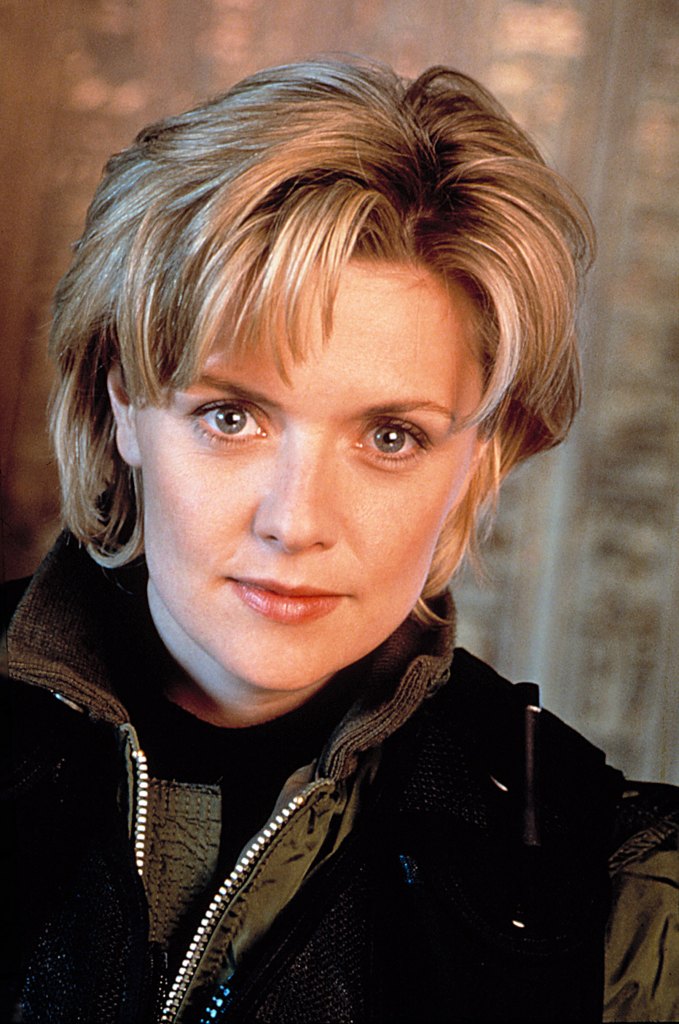
Life after Stargate Atlantis: Tapping’s Carter replaced Dr. Elizabeth Weir as expedition leader in Season 4 of Atlantis. Her presence bridged the two series, providing continuity and reinforcing the shared universe structure of the franchise. After her season-long tenure on Atlantis, she appeared in Season 1 of Stargate Universe as a Carter advanced into broader Stargate Command leadership.
Following her on-screen Stargate appearances, Tapping expanded her creative reach behind the camera. She starred in and executive-produced the Syfy series Sanctuary, which ran for four seasons and further cemented her role as a genre mainstay. Increasingly, however, her focus shifted toward directing.
Over the past decade, Tapping has built a substantial directing career, helming episodes of numerous genre and drama series, including Supernatural, The Flash, Batwoman, The Chilling Adventures of Sabrina, Resident Alien, Van Helsing and Motherland: Fort Salem. Her transition into directing has been steady and deliberate, reflecting the behind-the-scenes experience she began accumulating during SG-1. Today, she is regarded as a respected television director in addition to her legacy as an actress.
Personal life: Tapping married Alan Kovacs in 1994, and the couple has one daughter. Throughout her career, she has been active in charitable initiatives, particularly those focused on women in media and children’s causes. She co-founded Sanctuary for Kids, a nonprofit organization supporting vulnerable youth.
Jewel Staite (Dr. Jennifer Keller)
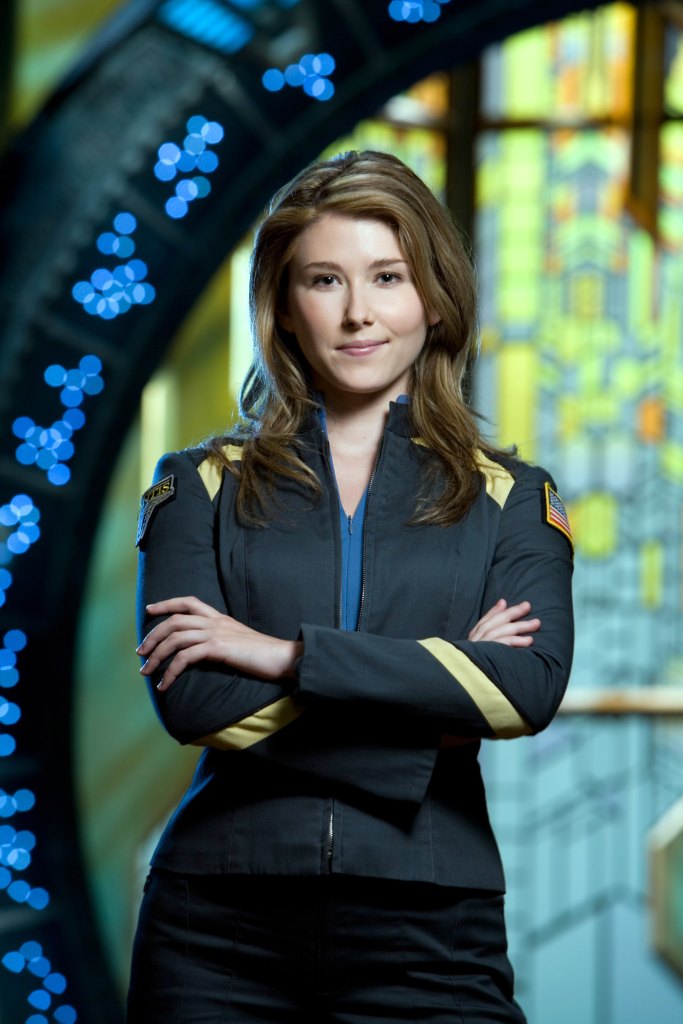
Life before Stargate Atlantis: Jewel Staite had already built a recognizable career in science fiction television before joining Stargate Atlantis. Born in White Rock, British Columbia, Canada, she began acting at a young age and quickly found work in television and film productions.
Her early roles included appearances in family and youth-oriented series throughout the 1990s, helping her develop screen experience while still in her teens. Staite appeared in productions such as The Odyssey and Space Cases, the latter introducing her to a younger science fiction audience.
Her most widely recognized early role came as Kaylee Frye, the cheerful and optimistic mechanic aboard the spaceship Serenity in Joss Whedon’s Firefly. Though the series lasted only one season, it developed a passionate fan following, and Staite reprised the role in the feature film Serenity.
When Atlantis entered its third season, the series introduced Dr. Jennifer Keller, a young physician who would gradually assume greater responsibilities within the Atlantis medical staff. Staite joined the show in a recurring capacity before becoming a regular cast member in the final seasons. Keller was written as a brilliant but initially less battle-hardened physician whose courage gradually emerged as she adapted to the dangers of the Pegasus Galaxy.

Life after Stargate Atlantis: After Atlantis concluded in 2009, Staite continued working steadily in television. Among her more notable post-Atlantis roles was Dr. Raquel Westbrook in the CW series The L.A. Complex, as well as appearances in shows including Supernatural, The Magicians and Blindspot, the latter in a recurring role.
Personal life: Staite married actor Charlie Ritchie in 2016, and the couple has one son. Earlier in her life, she married Matt Anderson in 2003, the two divorcing in 2011. Motherhood has become an important part of her life in recent years, and she has spoken openly about balancing family with an acting career.
Robert Picardo (Richard Woolsey)
Life before Stargate Atlantis: Robert Picardo arrived in the Stargate universe with one of the most extensive and recognizable careers in science fiction television. Born in Philadelphia, Pennsylvania, he originally intended to pursue medicine before discovering acting while attending Yale University. There, he performed in theater productions alongside fellow students who would also go on to prominent careers in entertainment.
Picardo’s early professional work began on stage and soon expanded into television and film. He gained significant visibility in the 1980s with recurring roles in series such as China Beach, where he played Dr. Dick Richard and The Wonder Years as Coach Cutlip.
Genre audiences would come to know him especially well through his role as the Emergency Medical Hologram—often simply called “The Doctor”—on Star Trek: Voyager. Over seven seasons, Picardo transformed what initially appeared to be a one-note character into one of the most emotionally layered figures in the series. The role, which he has been reprising on Star Trek: Starfleet Academy, established him as a fan favorite in science fiction circles.
Outside of television, Picardo also appeared in films such as Innerspace and Total Recall, as well as numerous guest appearances across network television. By the time he joined the Stargate franchise, he was already widely recognized for portraying intelligent, often slightly eccentric authority figures. He first appeared in the role of International Oversight Advisory representative Richard Woolsey on Stargate SG-1, where the character initially served as a bureaucratic counterweight to the Stargate program’s military leadership. His recurring appearances gradually humanized Woolsey, transforming him from a rigid oversight official into a thoughtful and principled administrator. That evolution led directly to his eventual leadership role within the Atlantis expedition.
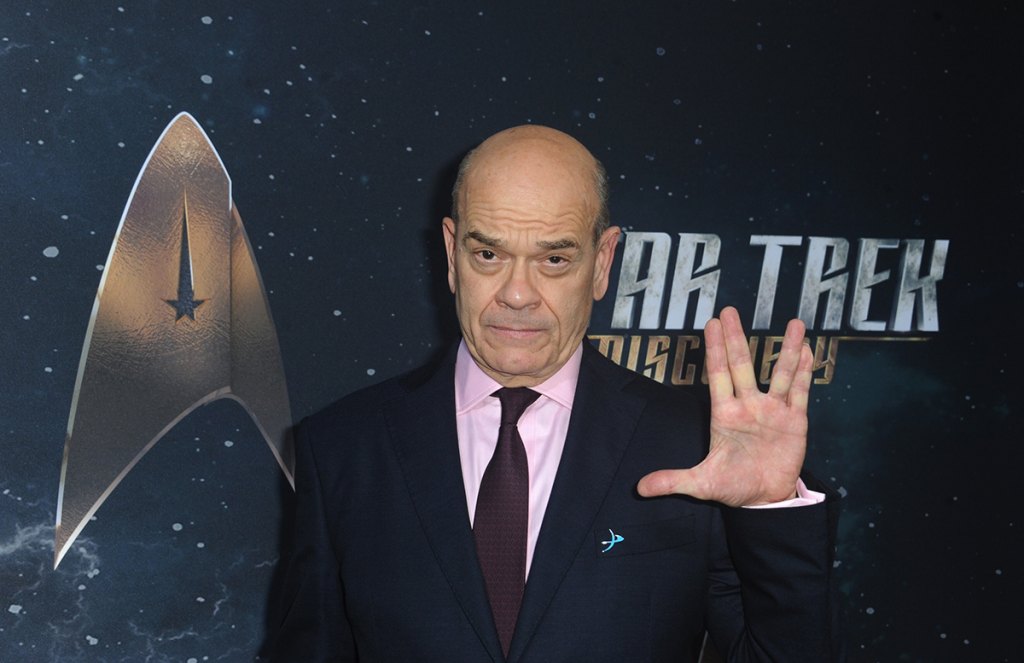
Life after Stargate Atlantis: In the final season of Stargate Atlantis, Picardo’s Woolsey assumed command of the Atlantis expedition. The character’s arc from cautious bureaucrat to capable leader willing to make difficult decisions provided a satisfying culmination of several years of development across the franchise.

Following the conclusion of Atlantis in 2009, Picardo continued to work extensively in television, film, and voice acting. His later roles have included appearances in series such as The Mentalist, Castle, and The Orville. He has also remained active in voice work and independent film projects.
In addition to acting, Picardo has been heavily involved in science and space advocacy. He has served as a spokesperson and board member for The Planetary Society, the nonprofit organization dedicated to the exploration of space and public engagement with scientific discovery.
Personal life: Picardo married writer and producer Linda Pawlik in 1984; the couple later divorced. They have two daughters. Beyond acting, Picardo is also an accomplished singer and performer, frequently participating in musical events and fan conventions. He’s also known for performing with the satirical sci-fi musical group The Planetary Society’s “The Space Rockers” events. His work across both Star Trek and Stargate places him among a relatively small group of actors who have played significant roles in two of television’s most influential science fiction franchises.
Conversation
All comments are subject to our Community Guidelines. Woman's World does not endorse the opinions and views shared by our readers in our comment sections. Our comments section is a place where readers can engage in healthy, productive, lively, and respectful discussions. Offensive language, hate speech, personal attacks, and/or defamatory statements are not permitted. Advertising or spam is also prohibited.